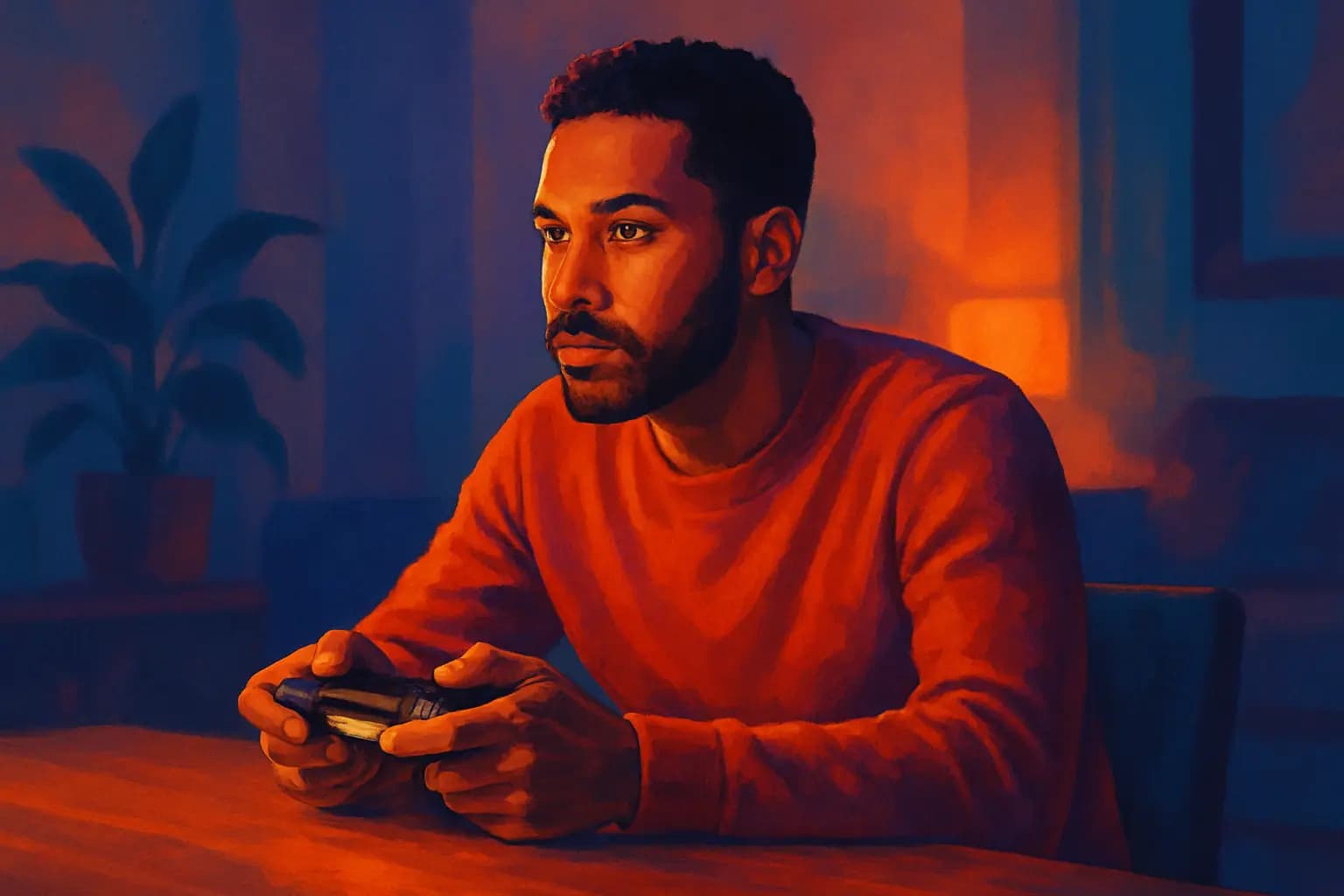
The Psychology of Play: Why Adult Gaming Deserves Serious Attention
There is a persistent cultural assumption that play — structured, purposeful, or otherwise — belongs exclusively to childhood. Once adulthood arrives, so the logic goes, the serious business of life displaces the frivolous act of gaming. Yet a growing body of research in cognitive science and developmental psychology is challenging this orthodoxy, suggesting that play in adulthood is not a regression but a necessity — one that our productivity-obsessed culture has been dangerously quick to pathologise.
The word 'play' itself carries unfortunate baggage. It implies a lack of consequence, a suspension of real stakes. But this framing misses something essential. When adults engage in immersive games — whether competitive esports, tabletop role-playing, or even the deceptively simple mechanics of a puzzle game — they are exercising a constellation of cognitive faculties that few other activities mobilise so comprehensively. Strategic foresight, emotional regulation under pressure, adaptive problem-solving, and collaborative negotiation all come into sharp relief in a gaming context precisely because the consequences are contained. The low-stakes environment, paradoxically, is what makes high-level thinking safe to practise.
There is also a dimension of play that resists purely instrumental justification — and that is arguably its most valuable quality. Unlike exercise, which we pursue for health outcomes, or reading, which we often frame in terms of self-improvement, play at its most authentic is engaged in for its own sake. Psychologists refer to this quality as intrinsic motivation, and it is increasingly recognised as a foundation of psychological wellbeing. When people describe losing track of time during a game — what researchers call a flow state — they are describing one of the most complete forms of present-moment engagement available to the human mind. This is not escapism in the pejorative sense; it is immersion, and it has measurable restorative effects.
Critiques of adult gaming often conflate the medium with its excesses. Addiction, social isolation, and wasted potential are real concerns in specific cases, but they are no more inherent to gaming than to any other absorbing pursuit. The same narrative logic that pathologises gaming would condemn the avid golfer or the serial binge-watcher — yet only gaming continues to attract a peculiar moral suspicion, perhaps because it retains the aesthetic of childhood leisure.
What the evidence actually supports is a more nuanced picture: that structured play, including video games and other interactive formats, can strengthen social bonds, alleviate stress, and even foster empathy through perspective-taking narratives. The question for adults, then, is not whether they should play, but whether they have granted themselves sufficient permission to do so without apology. Reclaiming play as a legitimate adult activity may require dismantling some deeply held assumptions — but that, as any good game designer will tell you, is precisely where the most interesting challenges begin.