The Spice That Built Empires: How Pepper Shaped the Ancient World
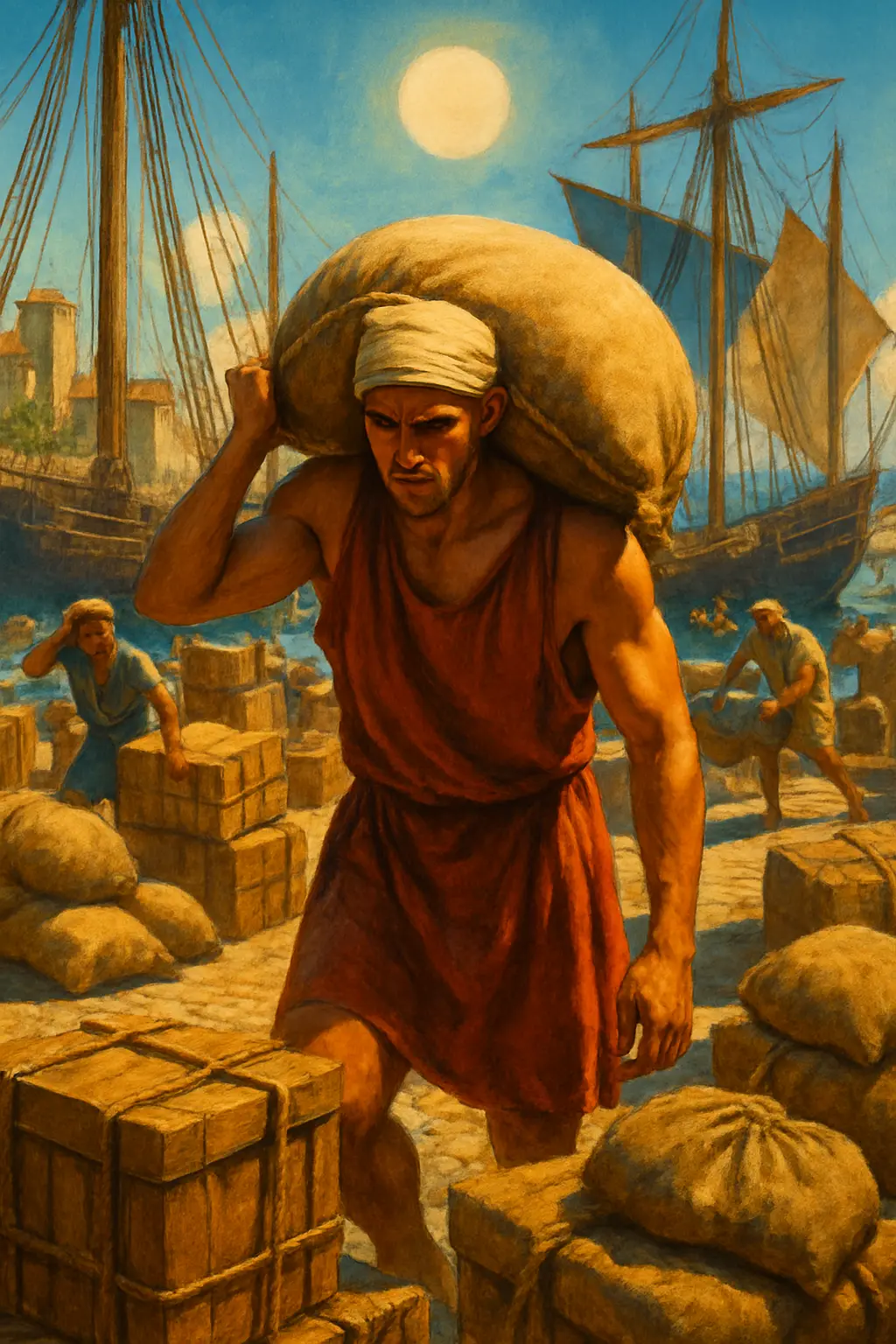
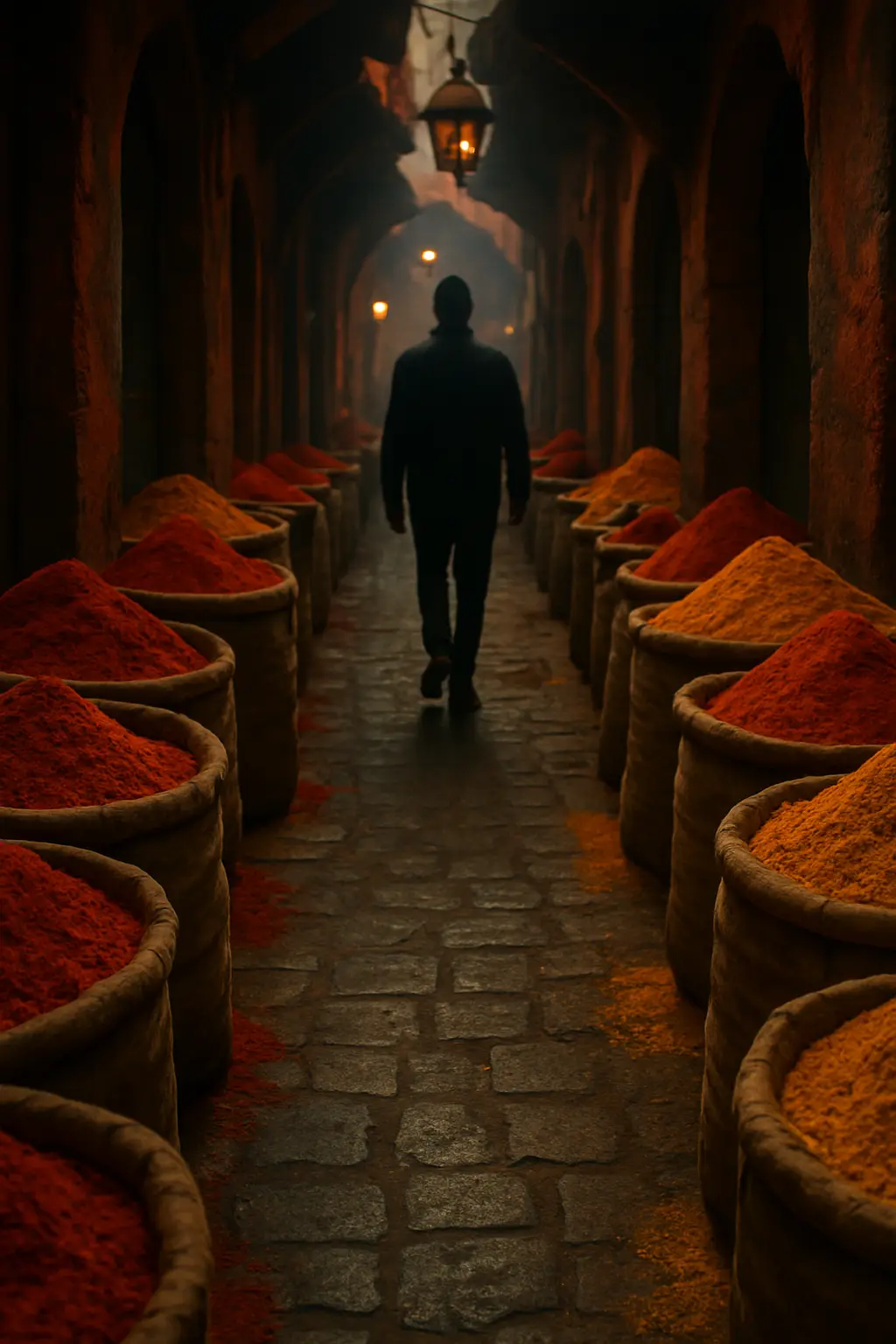
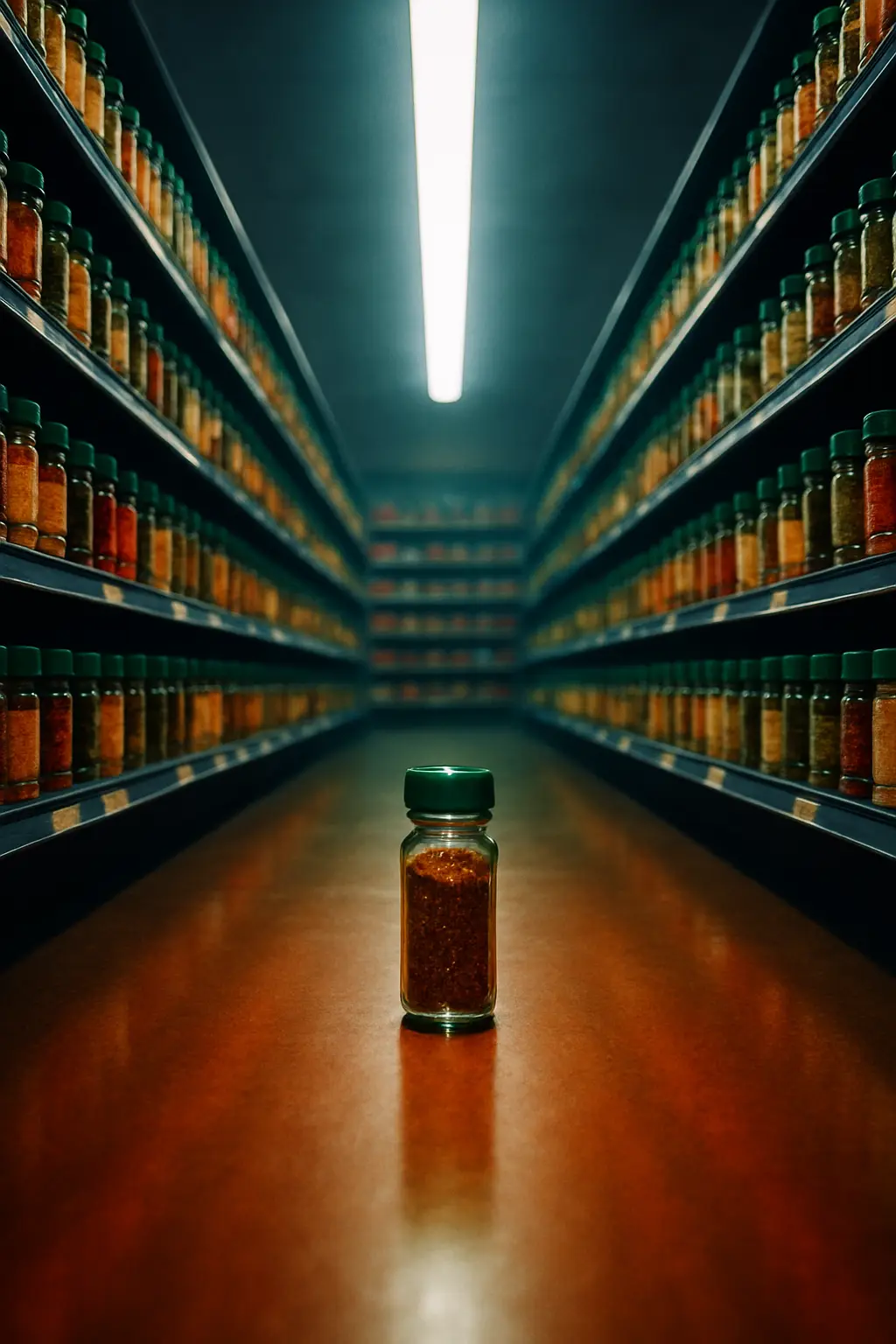
Long before supermarkets stocked their shelves with neat rows of identical jars, spices were among the most coveted and expensive commodities on earth. Black pepper, in particular, held an almost mythical status in the ancient world. Roman merchants paid extraordinary sums to obtain it from traders travelling the overland routes from South Asia, and historical records suggest that during the sack of Rome in 410 CE, the Visigoth king Alaric demanded three thousand pounds of pepper as part of his ransom. That a conquering army would place such value on a dried berry says a great deal about how profoundly spice shaped pre-modern economies and politics.
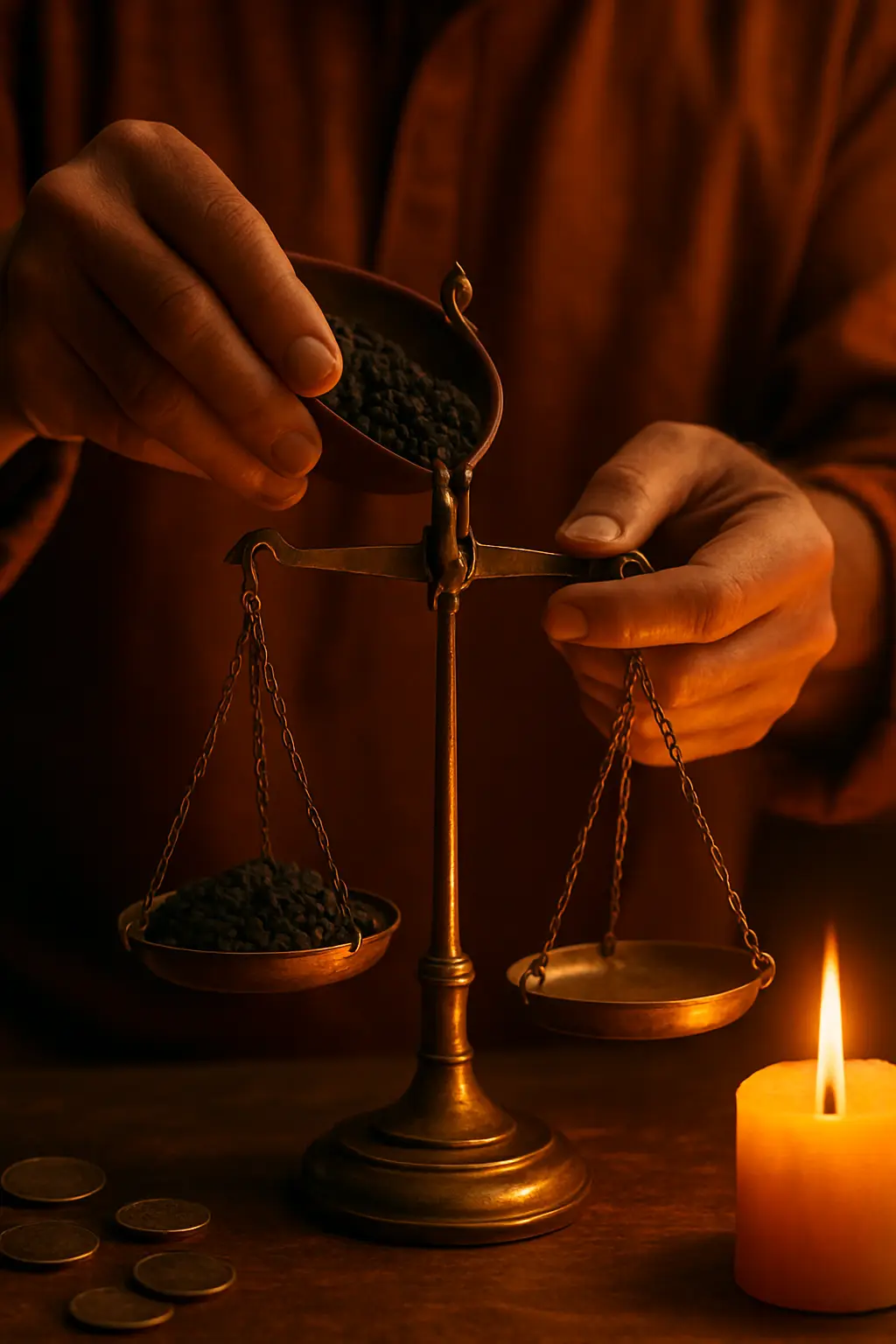
The pepper trade did not merely enrich merchants — it fundamentally restructured global geography. European demand for South Asian spices was so intense by the fifteenth century that it drove entire nations to fund dangerous oceanic expeditions. Portugal's pioneering sea routes around the Cape of Good Hope were motivated less by scientific curiosity than by a desire to bypass the Arab and Venetian middlemen who controlled — and heavily taxed — overland spice routes. When Vasco da Gama returned from Calicut in 1499 with a cargo hold filled with pepper and cinnamon, the profit from that single voyage reportedly covered the cost of the expedition sixty times over. Spice was not merely flavour; it was currency, geopolitical leverage, and the engine of early globalisation.

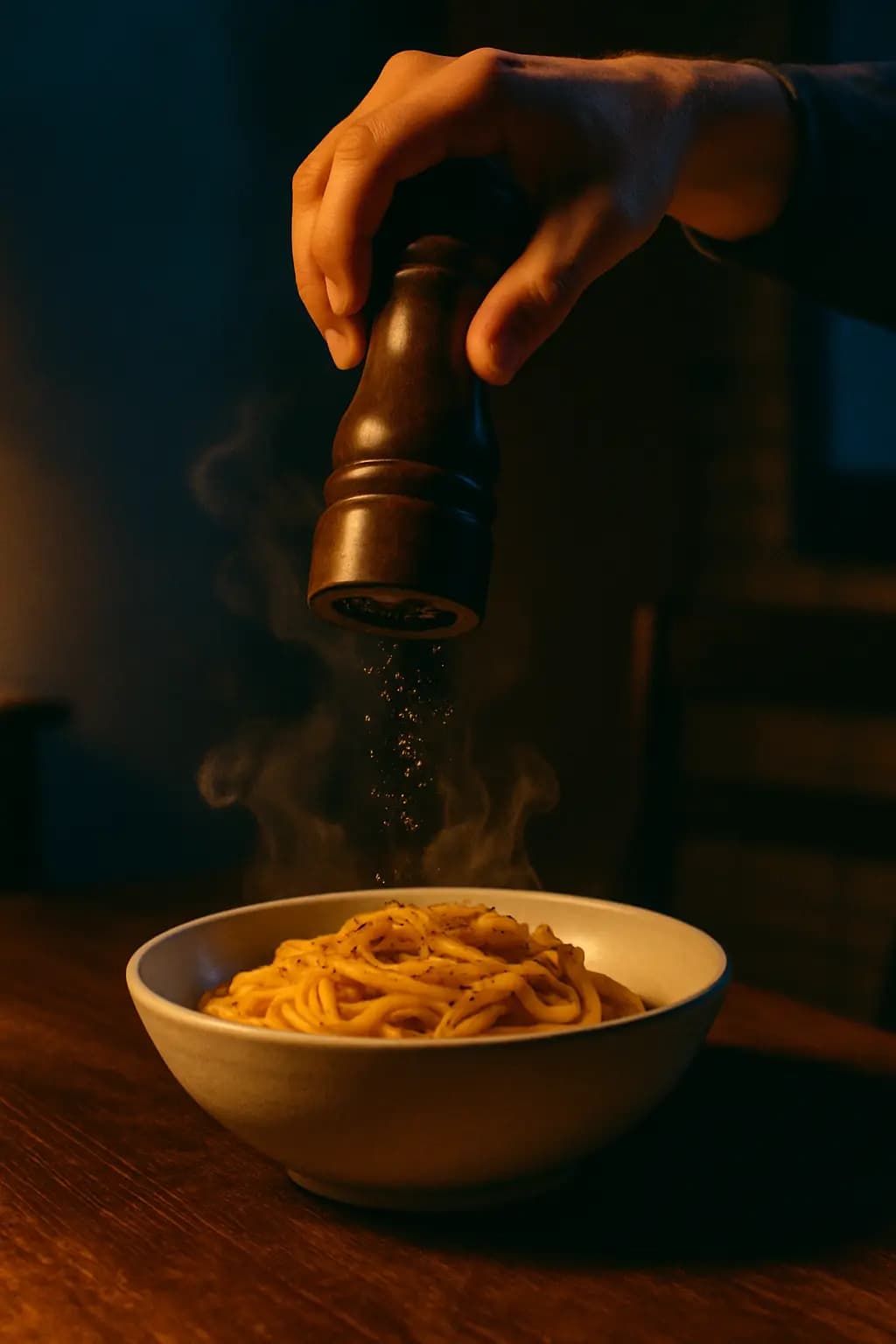
What is perhaps most striking is how ordinary pepper seems today. It sits on virtually every dining table in the world, mass-produced and remarkably cheap. The democratisation of spice is, in its own quiet way, one of food history's great revolutions. Ingredients that once symbolised wealth and power now season weekday lunches without a second thought. Yet food historians argue that this very ordinariness obscures a rich and violent history of colonialism, exploitation, and human ingenuity. To grind pepper over a plate of pasta is, whether we realise it or not, to participate in one of humanity's longest and most consequential supply chains.