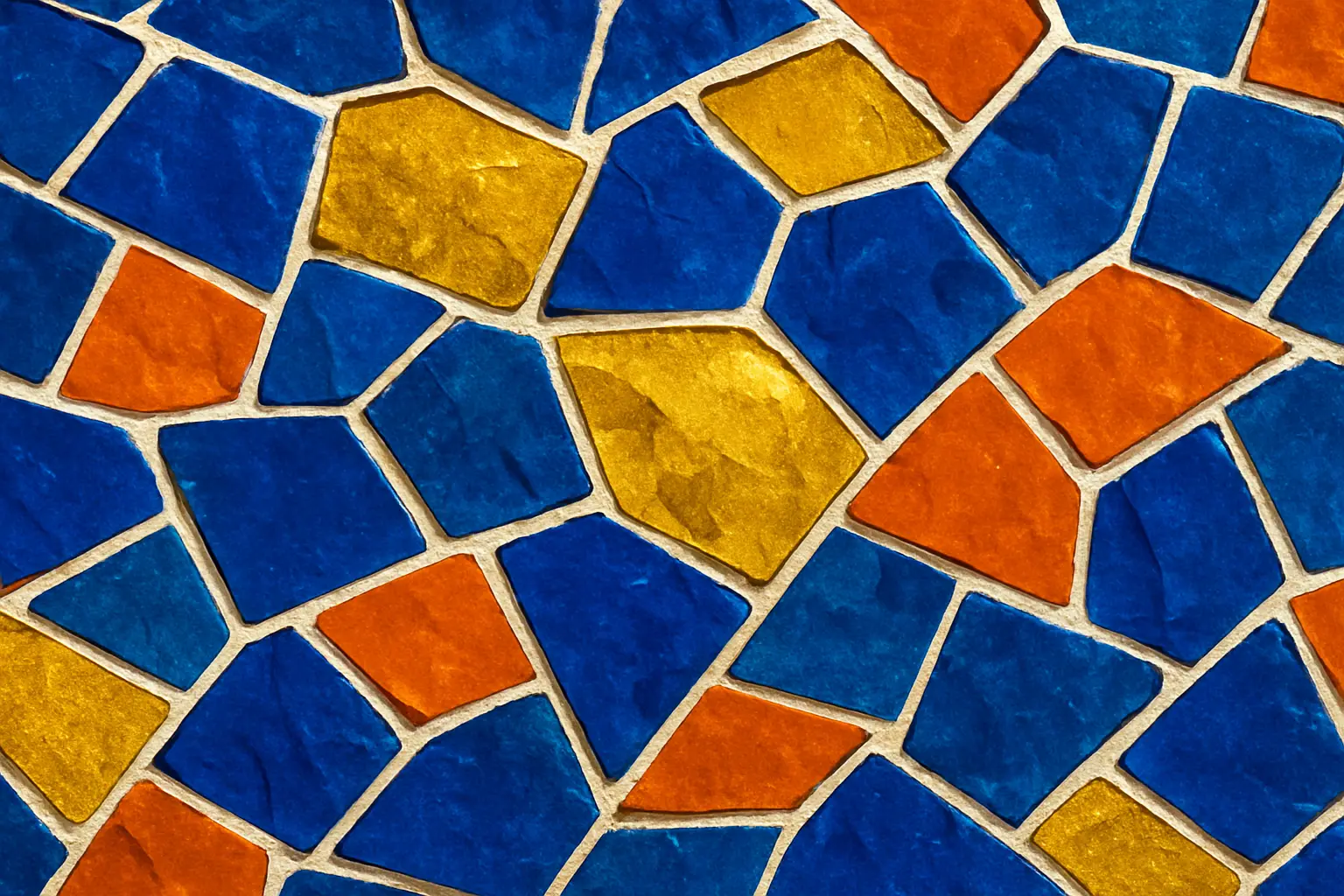
The Gentle Craft of Mosaic-Making: Why Broken Things Create Beauty
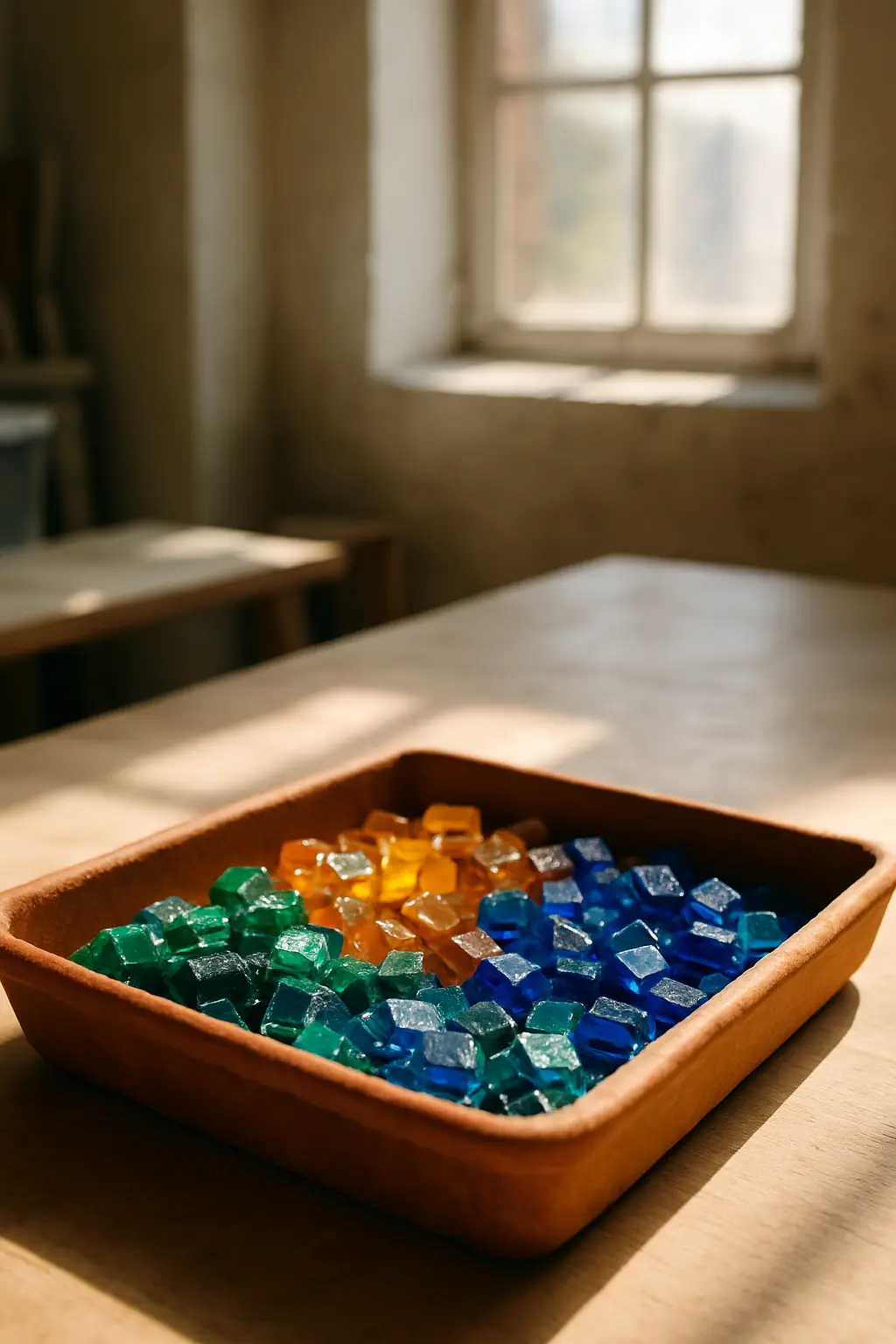
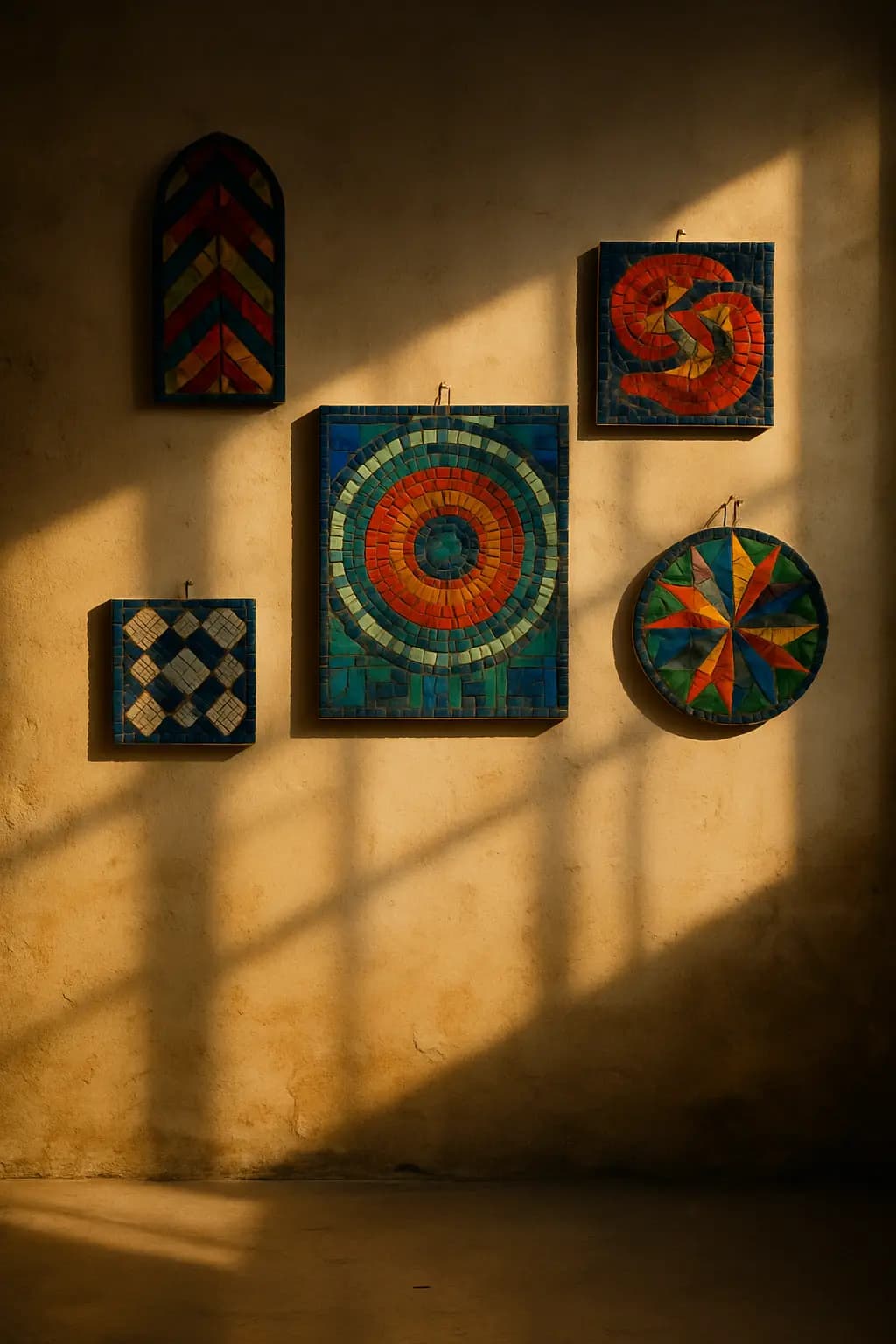
There is something quietly subversive about mosaic-making. While most creative pursuits begin with raw, unblemished material — a blank canvas, a lump of unformed clay — mosaic art begins with fragments: shattered tiles, offcuts of coloured glass, cracked pottery rescued from the bin. The medium asks its maker to find not wholeness, but the beauty that exists between broken pieces.
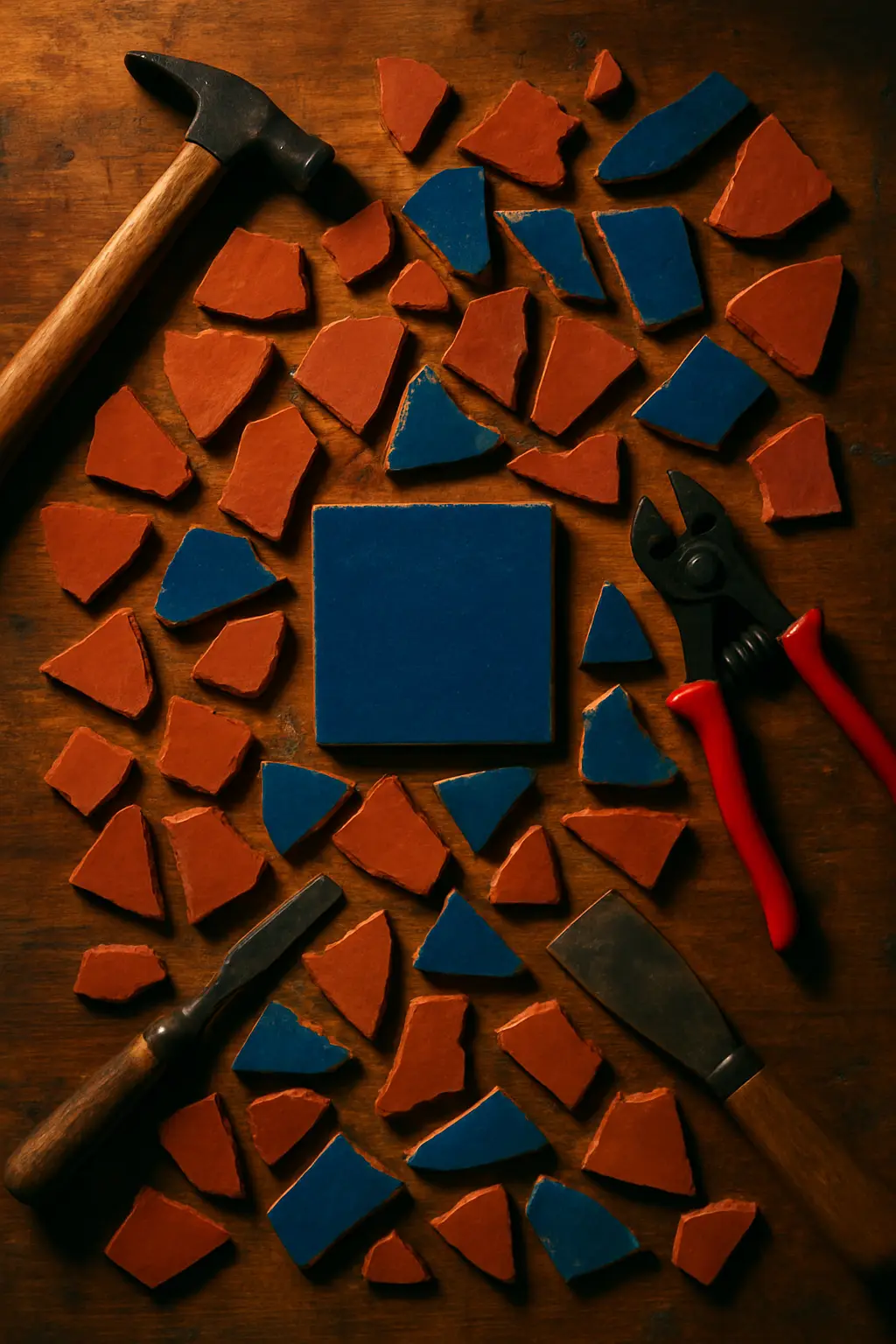
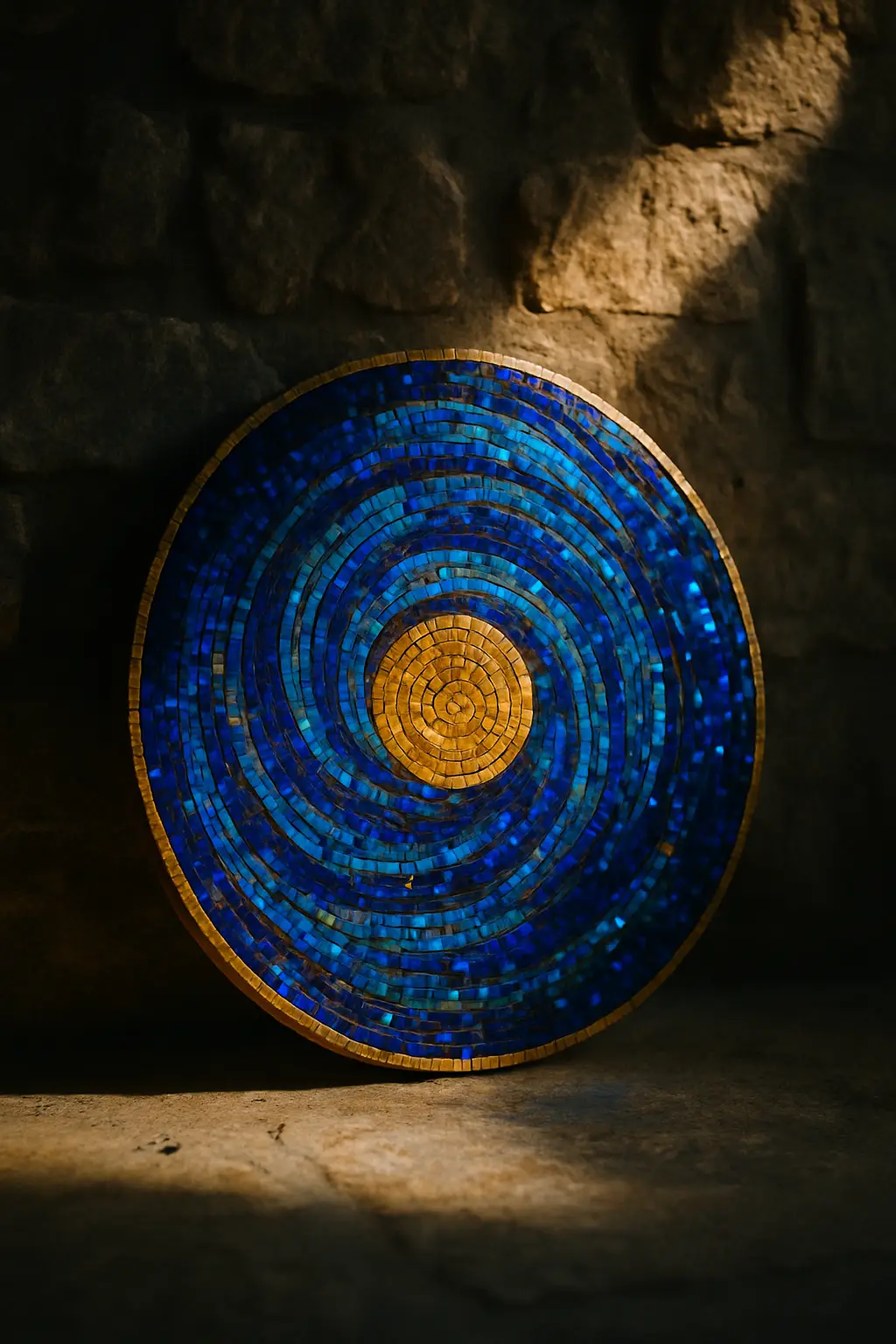
The technique itself is deceptively simple. Tesserae — the individual pieces used to build a mosaic — are arranged on a surface and fixed with adhesive before grout is pressed into the gaps. Yet within that simplicity lies an extraordinary range of creative decisions. The size of each fragment affects texture; the angle at which a piece is laid determines how it catches light; the width of the grouting lines can either harmonise or interrupt a composition. Practitioners quickly discover that control and chance are in constant negotiation. A tile that shatters unexpectedly may produce exactly the shape the design required.
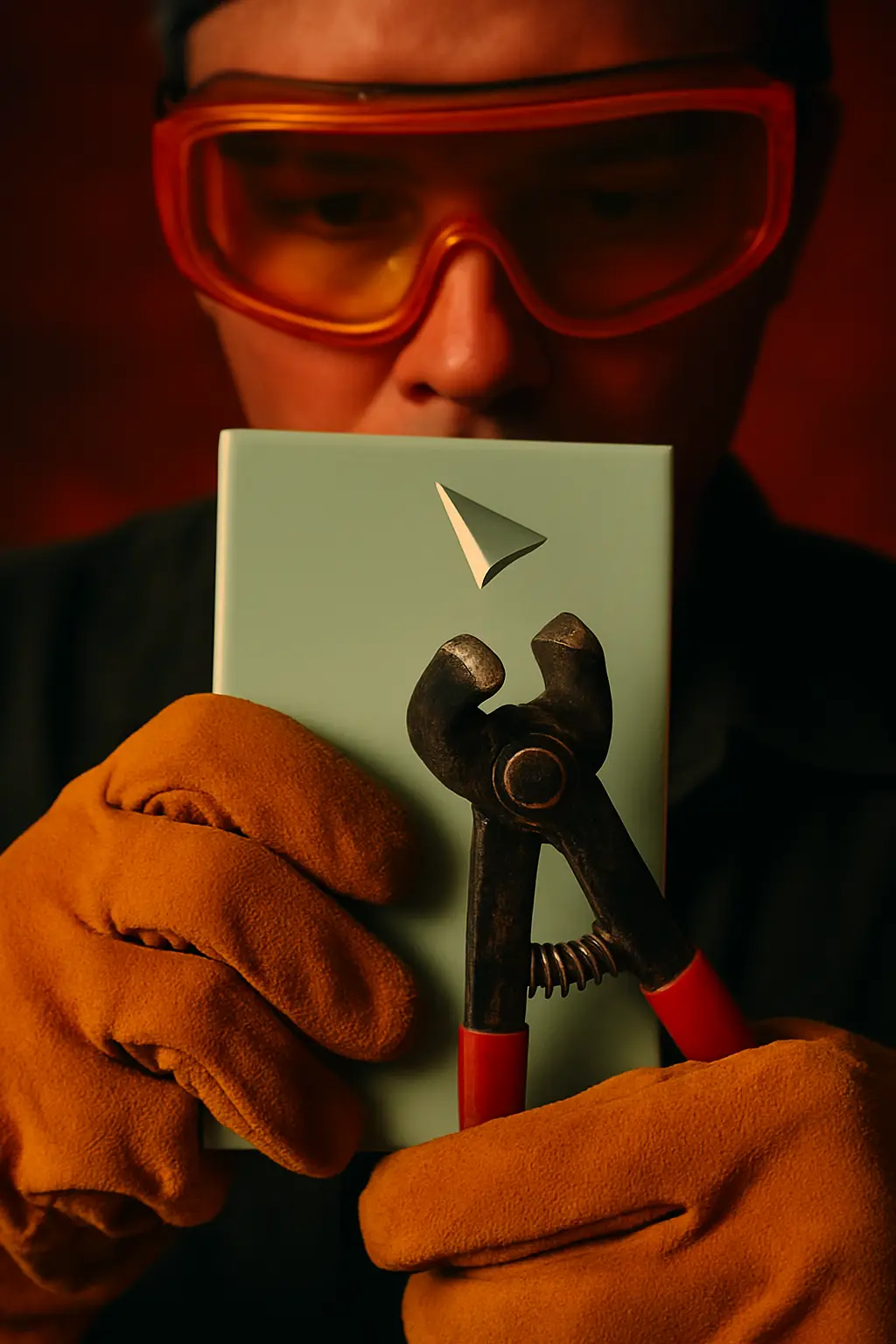
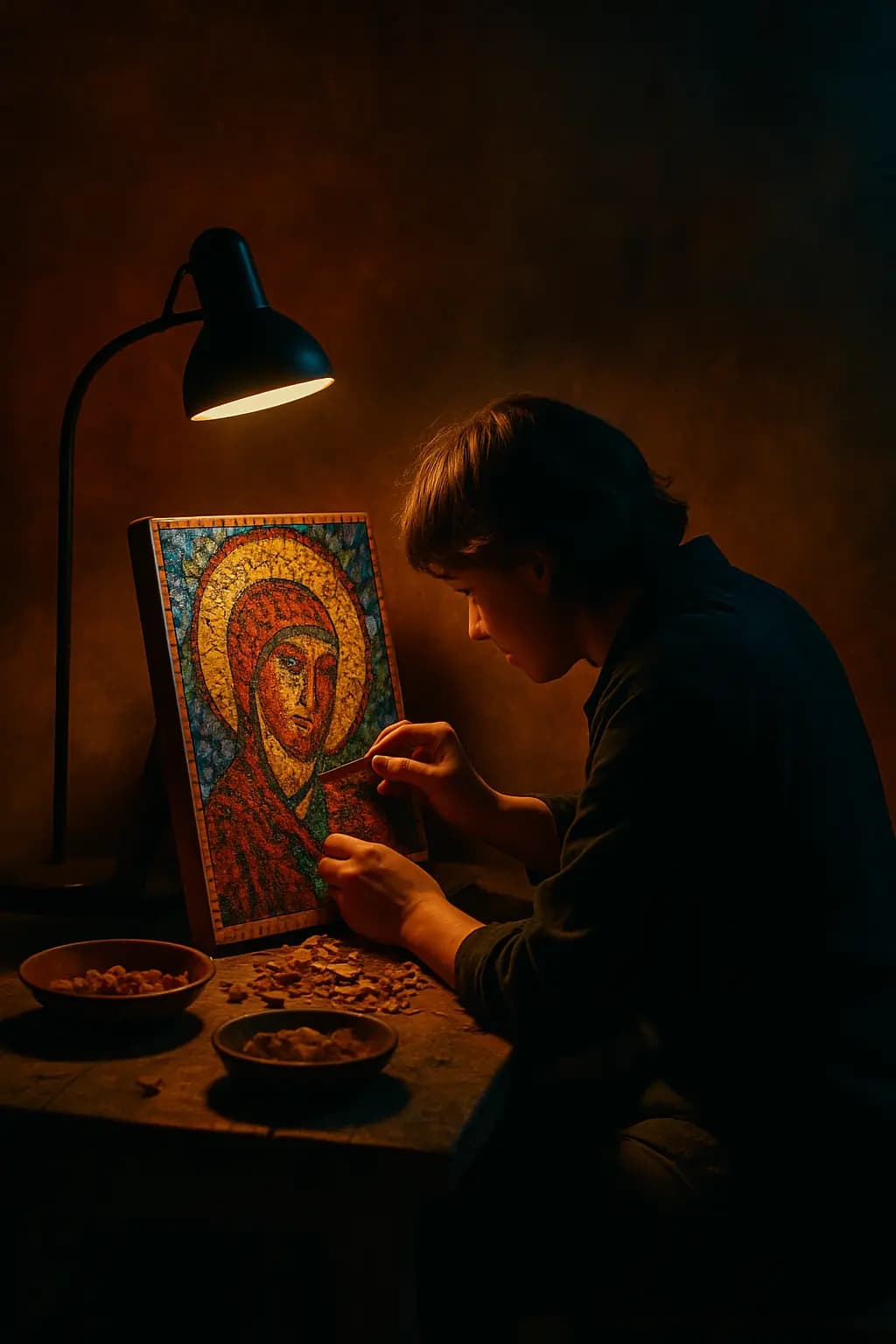
Beyond its technical demands, mosaic-making cultivates a particular kind of patience that modern life rarely encourages. Progress is measured in centimetres rather than pages or canvases, and the work rewards sustained attention rather than inspiration alone. Many practitioners describe a meditative quality to the process — a rhythmic, absorbing focus that quietens the mind without demanding any particular emotional state from it. Unlike painting or drawing, where a single confident stroke can transform a piece, mosaic inches forward incrementally, each small decision building on the last.