The Antihero's Ascent: How Television Fell in Love with Its Worst Characters
Few transformations in popular culture have been as quietly radical as the shift in how television has come to treat moral complexity. Where once the medium demanded protagonists who, at minimum, commanded sympathy through virtue, the prestige drama era ushered in a pantheon of figures who lie, manipulate, and destroy — and whom audiences cannot stop watching. The antihero, long a niche literary figure, has become perhaps the defining character archetype of contemporary television.
The roots of this shift are worth examining. Traditional storytelling operated on a broadly reassuring compact: protagonists might suffer, but their fundamental decency anchored the audience's loyalty. What changed, partly through the commercial logic of cable television and the need to distinguish from network fare, was a willingness to make protagonists genuinely culpable. Tony Soprano, Walter White, and Francis Urquhart — to name figures across different eras and traditions — do not merely make regrettable decisions under pressure. They are, to varying degrees, architects of their own corruption, and the shows around them are structured to implicate viewers in their perspective.
This implication is precisely what makes the antihero so psychologically compelling — and so troubling as a cultural phenomenon. When a narrative is constructed through a morally compromised point of view, the audience is subtly coerced into rooting for outcomes that, viewed objectively, are indefensible. Walter White's empire of crime is framed, at least initially, as a kind of dark entrepreneurialism. The viewer's investment in his success is not incidental; it is engineered. Writers and showrunners have become extraordinarily sophisticated in deploying selective backstory, charismatic performance, and momentary vulnerability to sustain emotional identification long past the point where it can be rationally justified.
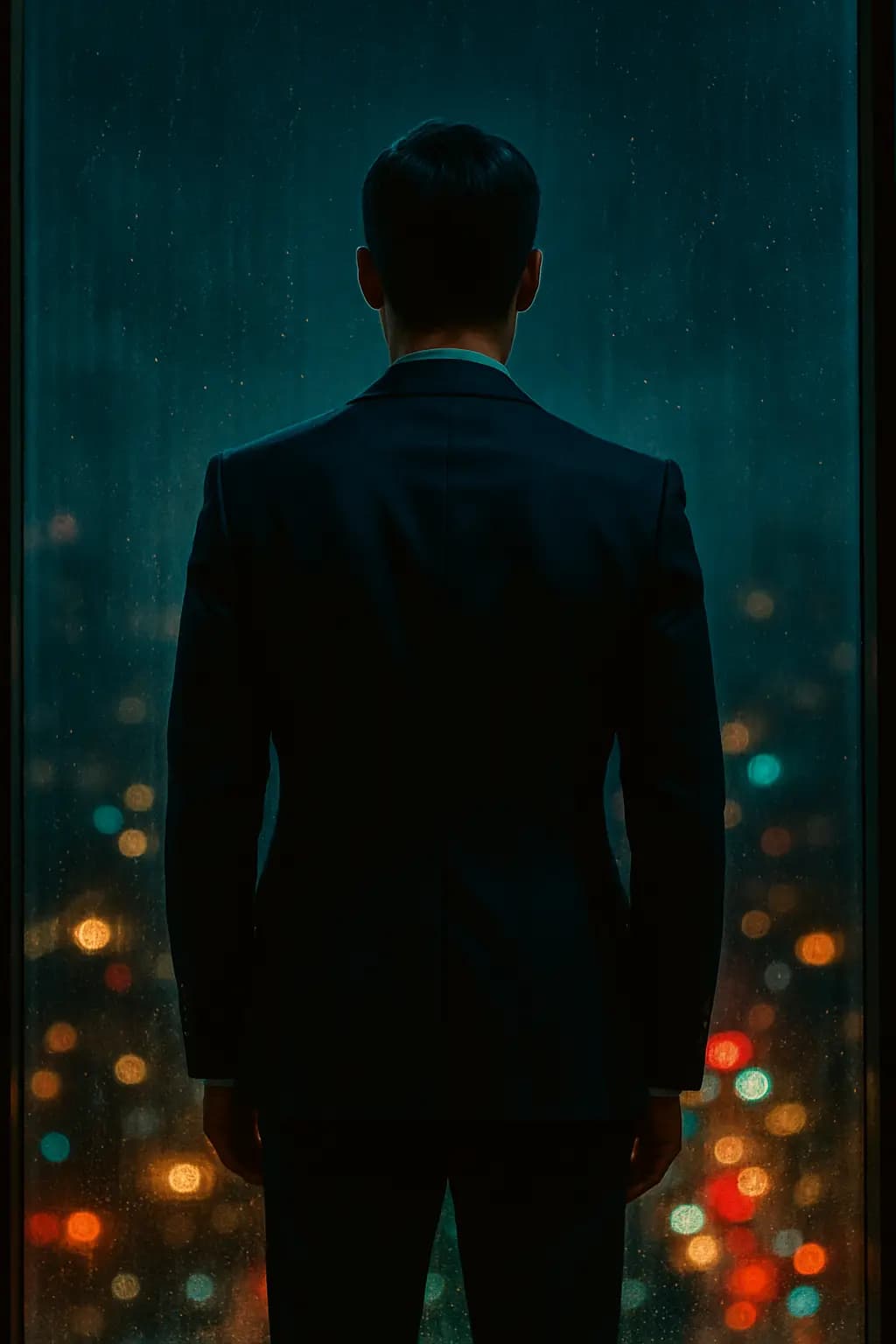
Critics of this trend argue that the dominance of antiheroes has calcified into a formula as predictable as any it displaced. The brooding, brilliant, self-destructive male protagonist — damaged enough to be interesting, powerful enough to be aspirational — has been replicated to the point of self-parody. The more incisive critique, however, is not aesthetic but ethical: there is a legitimate question about whether sustained identification with morally bankrupt characters normalises the logic of rationalisation itself. If every act of cruelty can be rendered sympathetic with the right soundtrack and a well-placed close-up, what precisely is television teaching us about accountability?
And yet the best antihero narratives resist this charge by insisting, finally, on consequences. The Wire refuses to let any single character's arc dominate its moral universe. Succession, beneath its darkly comic surface, is a sustained elegy for people who have everything and cannot use it well. Perhaps the antihero's enduring power lies not in its flattery of transgression, but in its unflinching willingness to map the seductive, recursive logic of self-justification — a landscape that is, for better or worse, recognisably human.