The Uncanny Comfort of Other People's Houses
There is a particular kind of vertigo that comes from spending an extended period in someone else's home. Within hours of arriving, you absorb the unspoken grammar of the place — which light switches are redundant, which drawer sticks, the precise angle at which a bathroom tap must be turned to avoid an ice-cold shock. Gradually, the foreign becomes familiar, yet the house never quite loses its quality of otherness. You are fluent in someone else's dialect, but it is not your own.
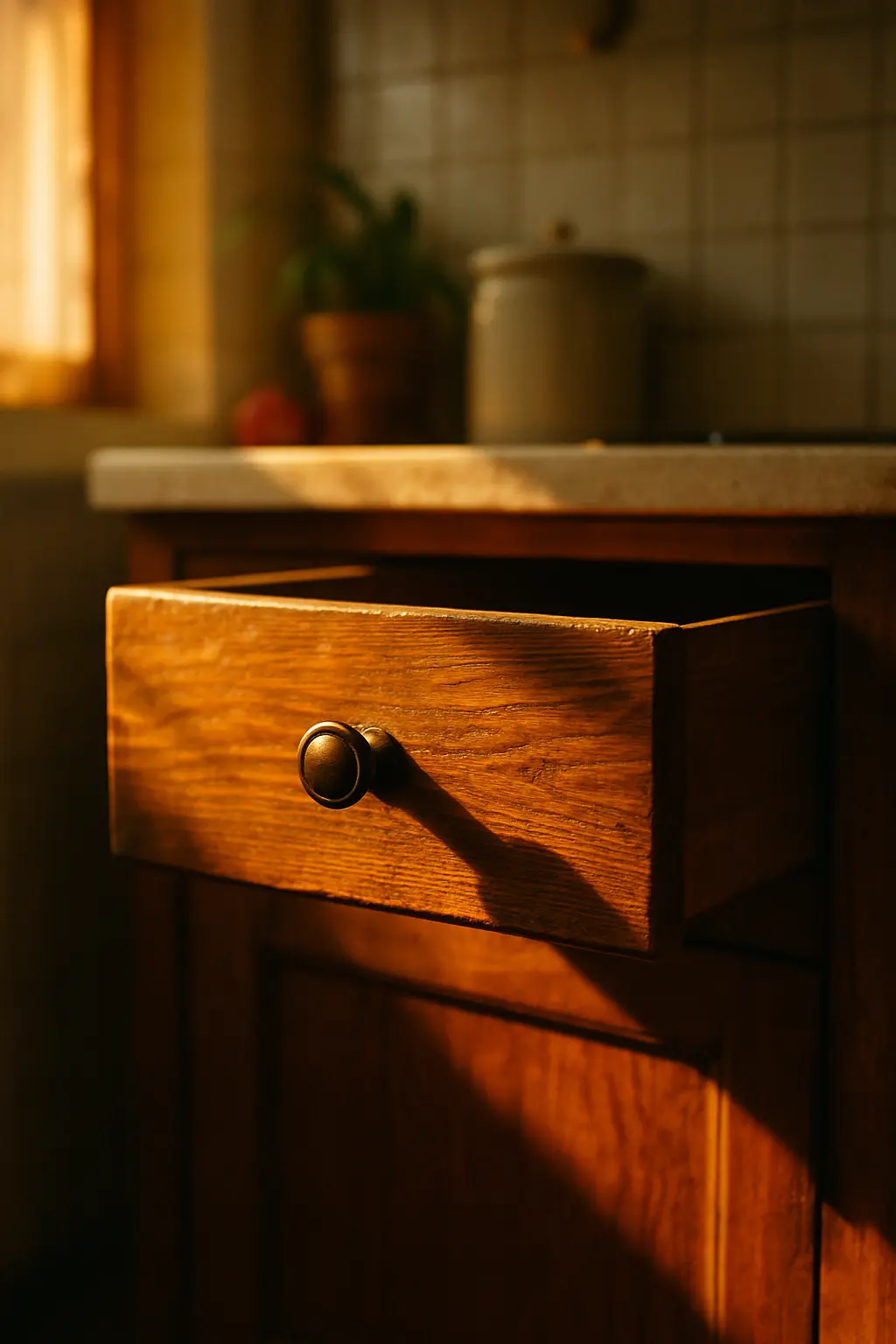
The British writer Alain de Botton once observed that our homes are a kind of autobiography — a physical record of preference, habit, and aspiration. If that is true, then staying in another person's house is an act of unusually intimate reading. You encounter a shelf organised not by genre but by memory, or a photograph kept in a corridor where most people would put a lamp. These details are not merely decorative; they are the residue of a life arranged around a different set of governing values. You are not simply sleeping in a spare room — you are inhabiting, however briefly, the logic of another person's interior world.
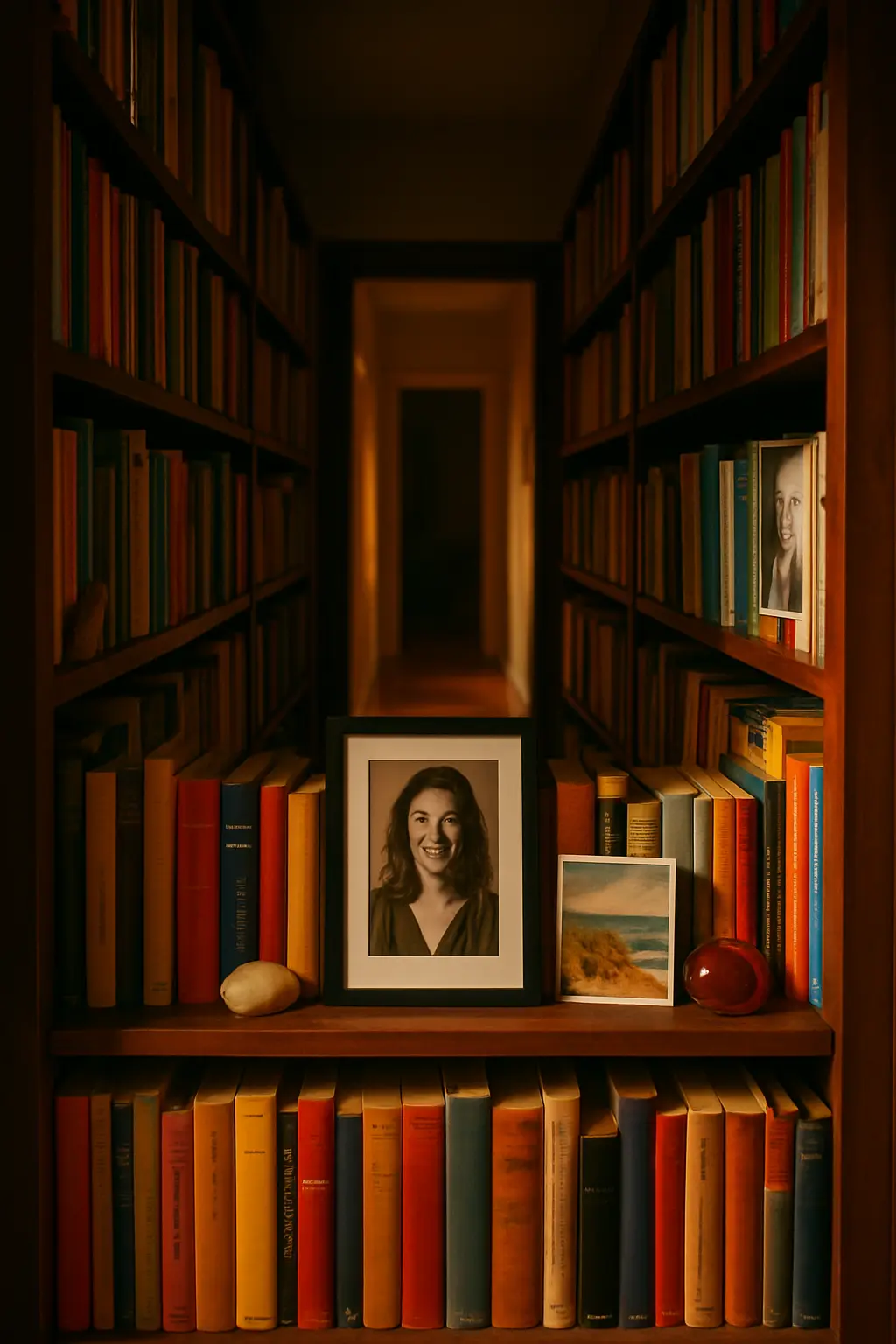
What is striking is how quickly guests internalise these logics. Neuroscientists who study spatial cognition suggest that the brain is extraordinarily efficient at mapping new environments, often constructing a reliable mental layout within a single day. Yet there is an affective dimension to this process that goes beyond mere navigation. We do not simply learn where the teabags are; we absorb the emotional register of a space — its quietness at certain hours, the texture of its social rituals, whether it is a house in which people gather in the kitchen or retreat to separate rooms. Hospitality, in this sense, is not merely the provision of a bed and a meal; it is the loaning of a way of being.