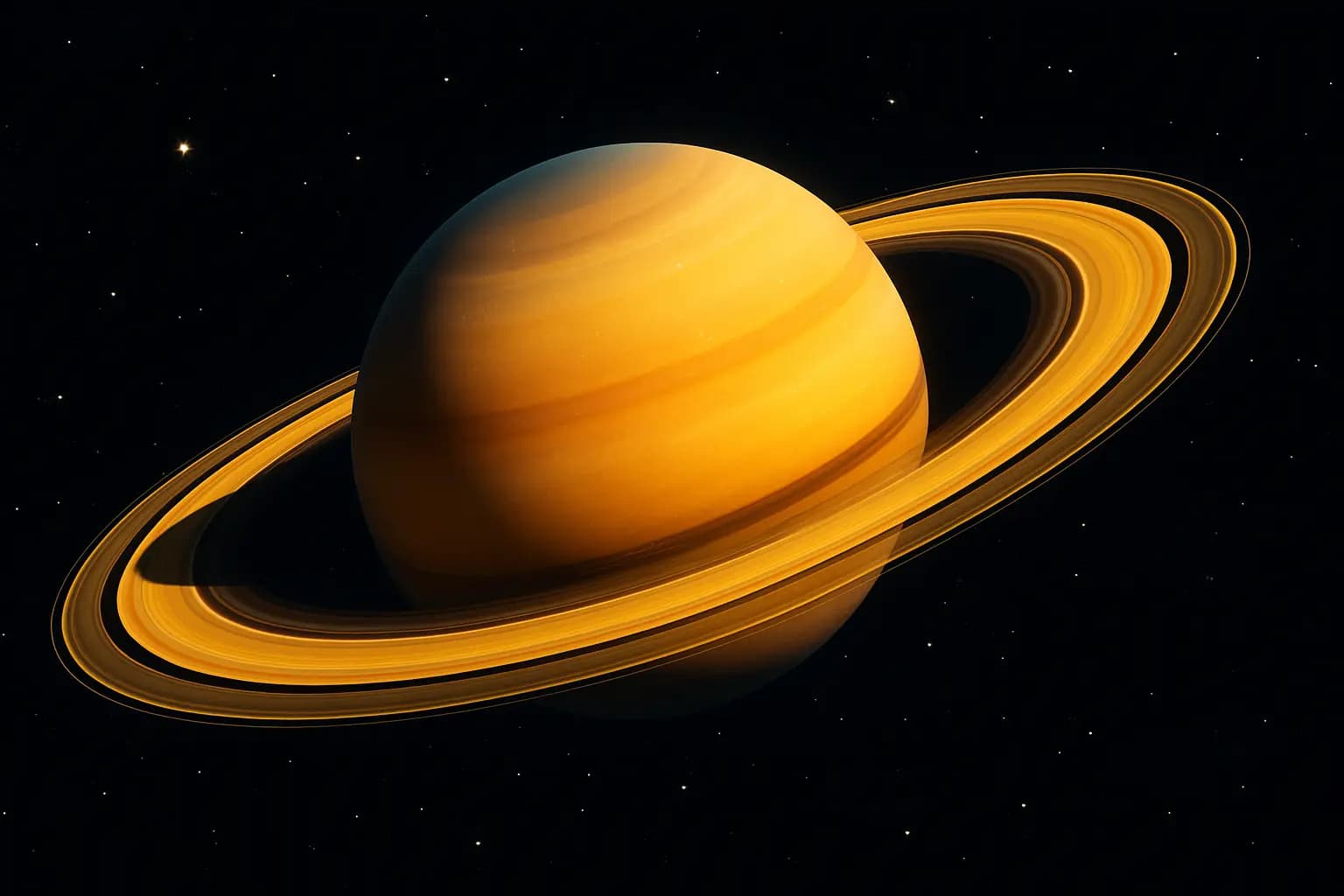
Saturn's Rings: One of the Solar System's Greatest Wonders
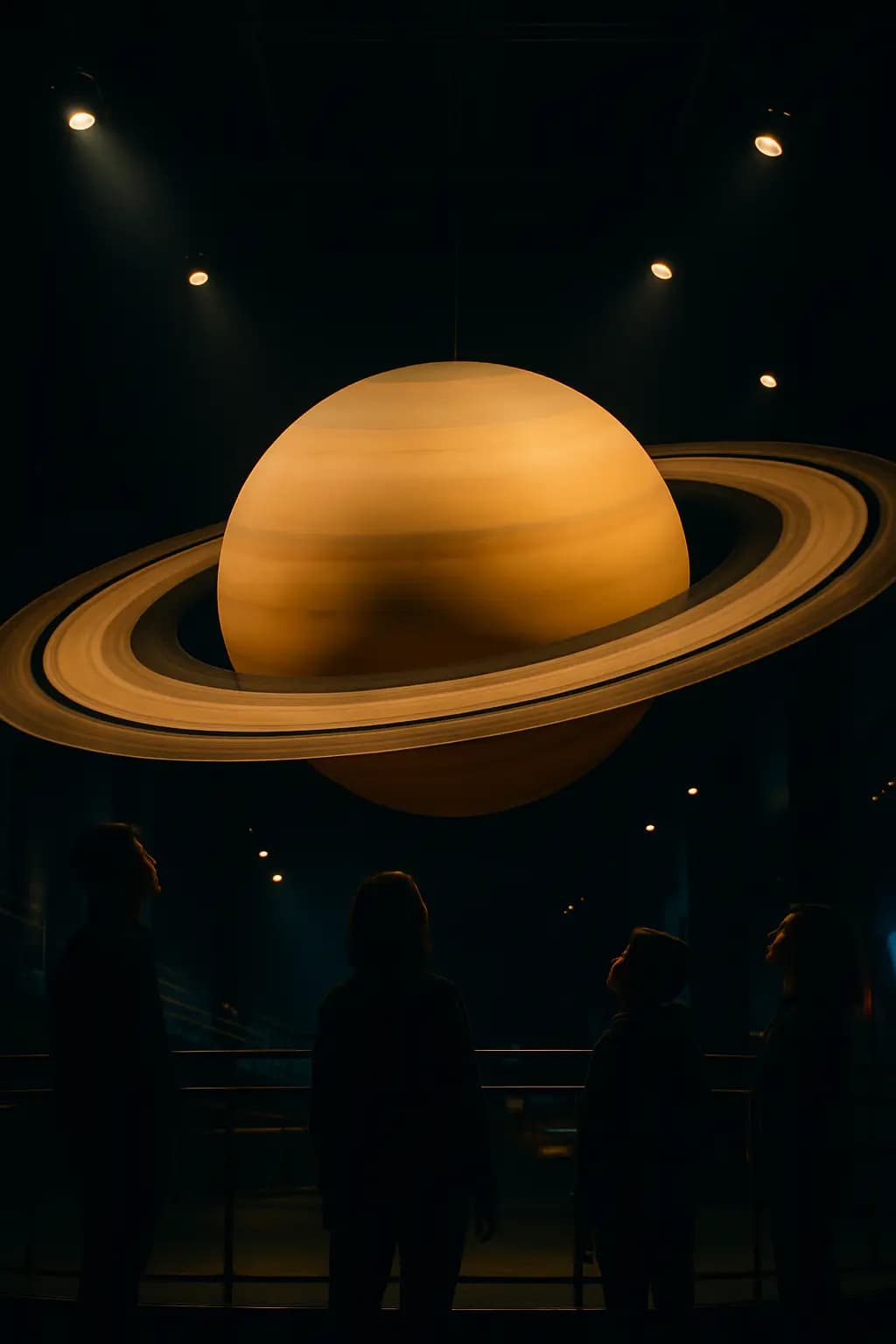
Of all the planets in our solar system, Saturn is perhaps the most immediately recognisable. Its magnificent rings stretch out for hundreds of thousands of kilometres, yet in most places they are only about ten to twenty metres thick. For a long time, scientists believed the rings were almost as old as the solar system itself — around 4.5 billion years. However, recent research suggests they may actually be much younger, perhaps only a few hundred million years old. That would make them, in astronomical terms, a relatively recent addition.
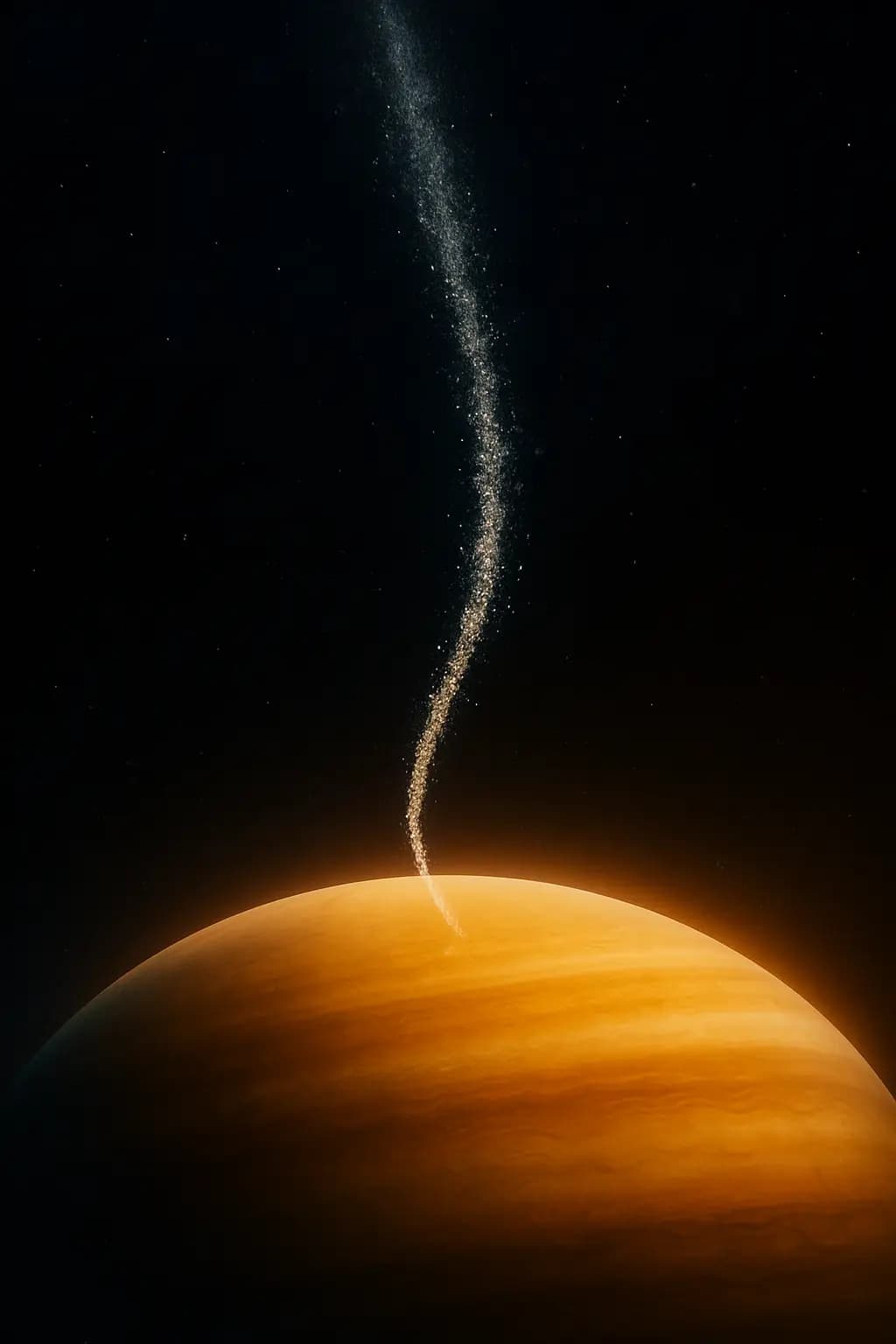
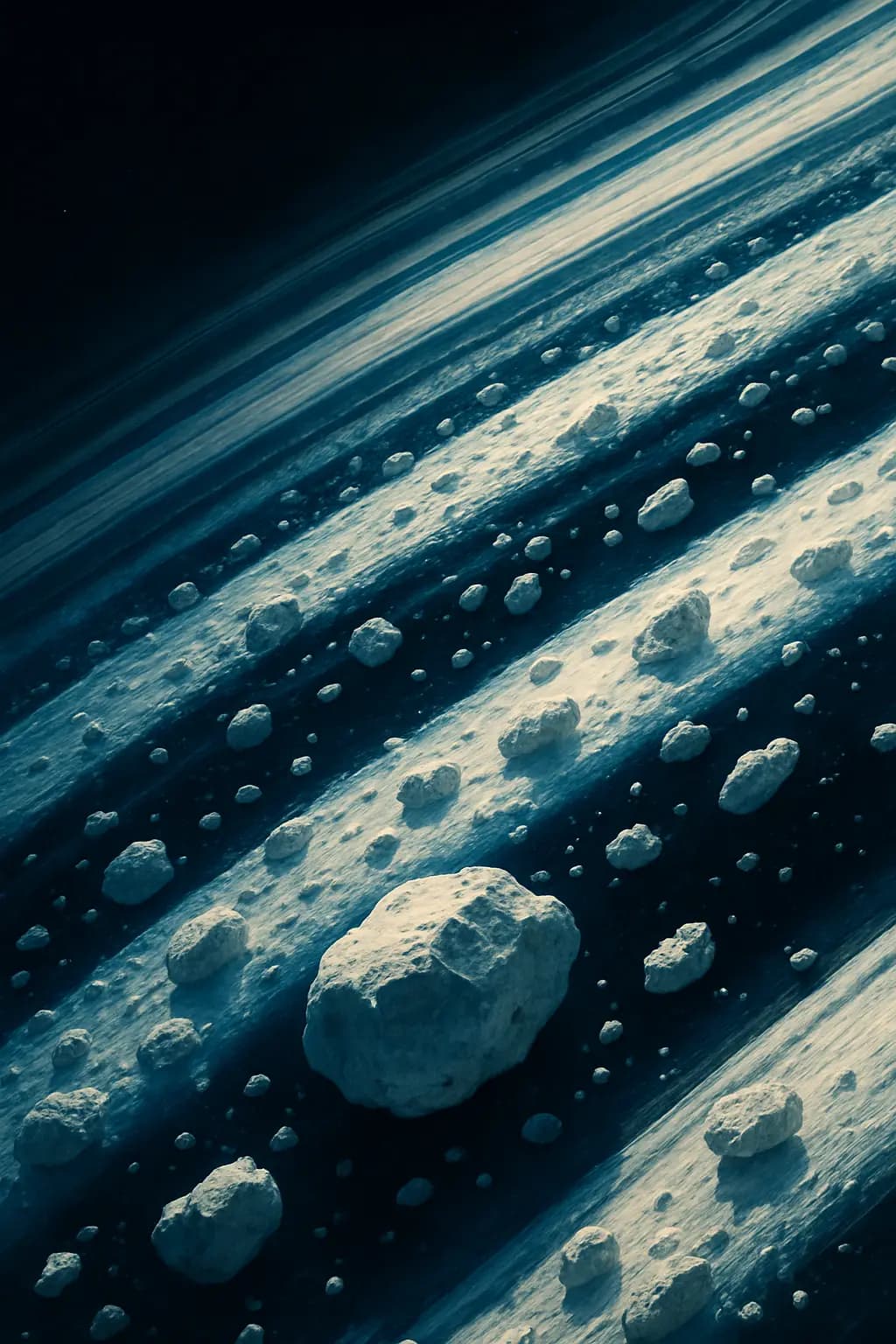
The rings are made mostly of ice and rock, ranging in size from tiny dust particles to chunks as big as a house. They are divided into several distinct bands, each with its own name and density. Gravity keeps everything in order, but the rings are slowly losing material — particles are gradually being pulled into Saturn's atmosphere. Some scientists think the rings might disappear entirely within the next hundred million years or so. It is a strange thought: Saturn without its rings would look just like any other giant planet.
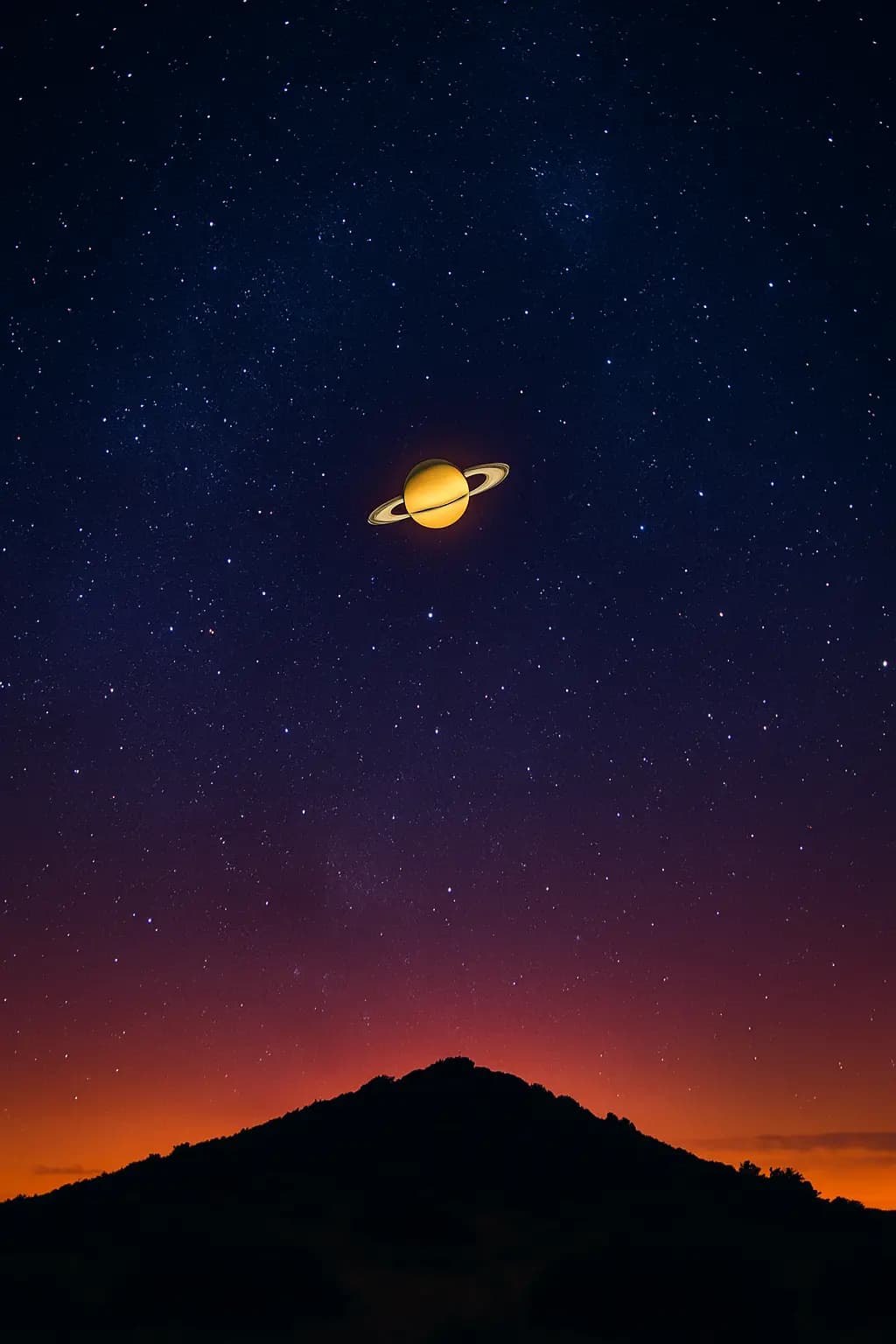
In a way, the rings remind us that the universe is always changing, even when it seems permanent and fixed. Space missions like Cassini, which orbited Saturn for thirteen years before its mission ended in 2017, have given us stunning data and beautiful images. Many people feel that Saturn is the jewel of the solar system, and it is hard to argue with that. Sometimes the best reason to study space is simply that it is breathtakingly beautiful.