The Uncanny Valley of Design: When Objects Make Us Uneasy
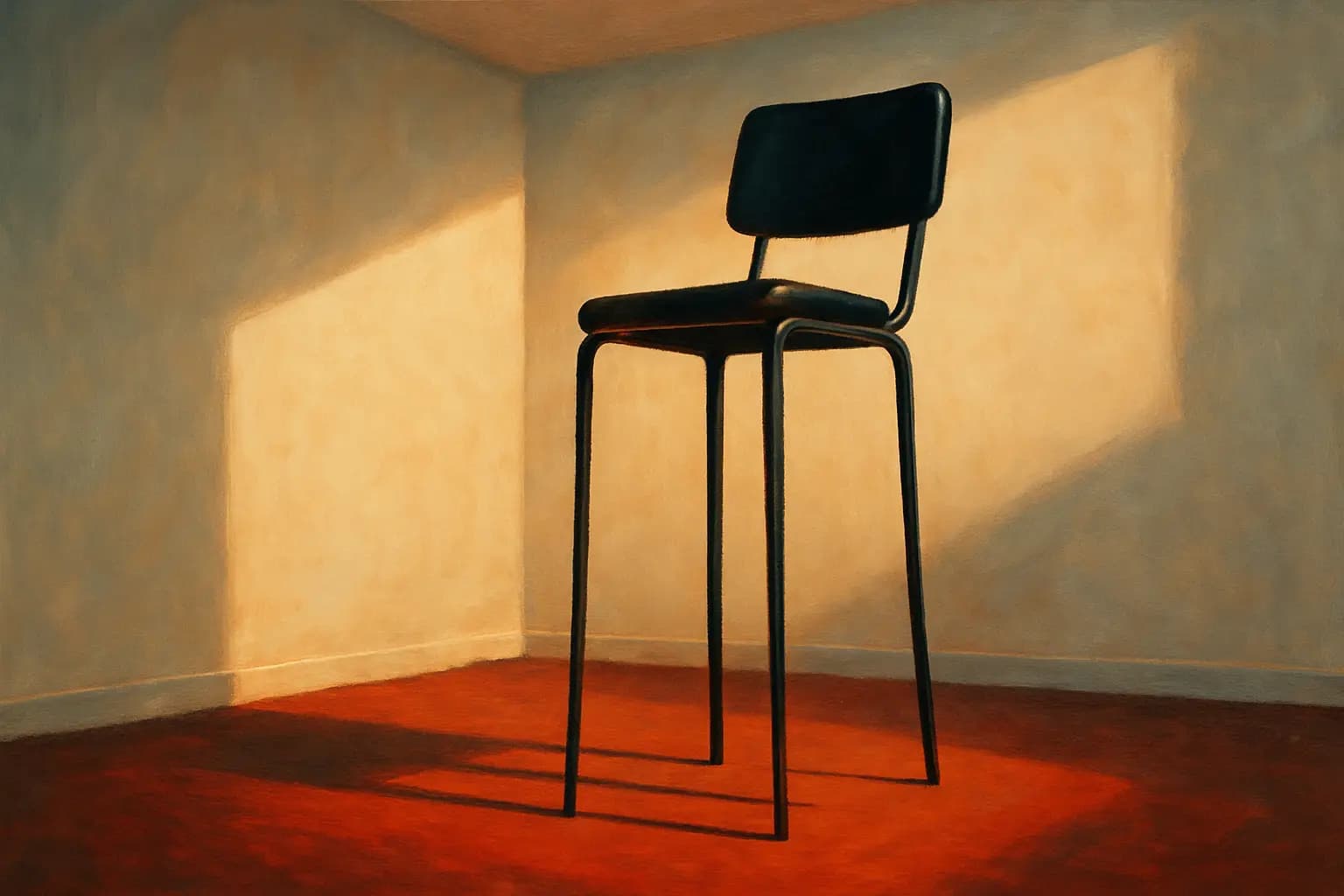
There is a peculiar discomfort that surfaces when we encounter an object that almost looks right but somehow does not. A chair with legs slightly too long, a building whose proportions feel subtly off, a typeface whose letters sit fractionally too close together — these objects produce an unsettling sensation that is difficult to articulate but impossible to ignore. Designers call this experience the uncanny in design, borrowing the term from Freud's unheimlich, and understanding why it happens reveals something profound about the relationship between human perception and the built world.

Our aesthetic responses are rooted in deeply internalised norms accumulated through years of lived experience. We hold an intuitive grammar of form: how much space a doorway should command, how a ceramic vessel ought to distribute its weight, how the curve of a bridge should resolve into its supports. When an object violates these norms in ways that are subtle rather than obvious, the brain cannot straightforwardly categorise the disruption and instead registers it as a vague wrongness. Crucially, this wrongness is more distressing than outright abstraction. A wildly experimental sculpture causes no unease because it declares its departure from convention openly. The object that disturbs is the one that promises familiarity and then withholds it.
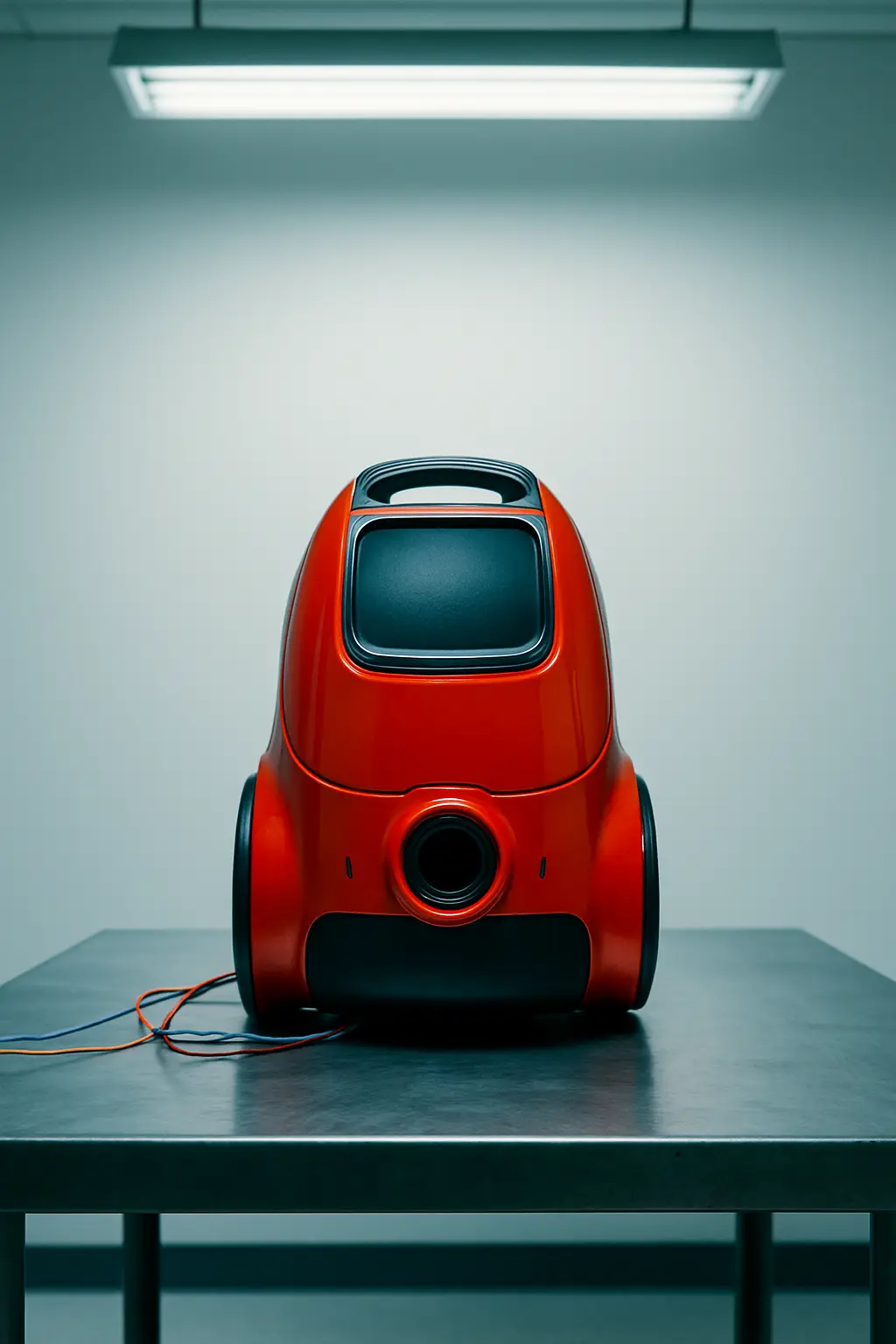
This mechanism has direct implications for commercial and industrial design. Products are routinely refined through iterative testing, and designers know that a prototype which scores poorly on immediate preference surveys can still score highly on sustained engagement — consumers may be initially attracted to the conventionally safe option but return, over time, to the piece that challenges them just enough. The uncanny, then, is not always a flaw to be eliminated; at a carefully managed intensity, it functions as a kind of productive friction, keeping the viewer's attention alive. The long arc of modernist furniture design — from the Bauhaus through Scandinavian functionalism to contemporary maximalism — can be read as an extended negotiation with exactly this tension.
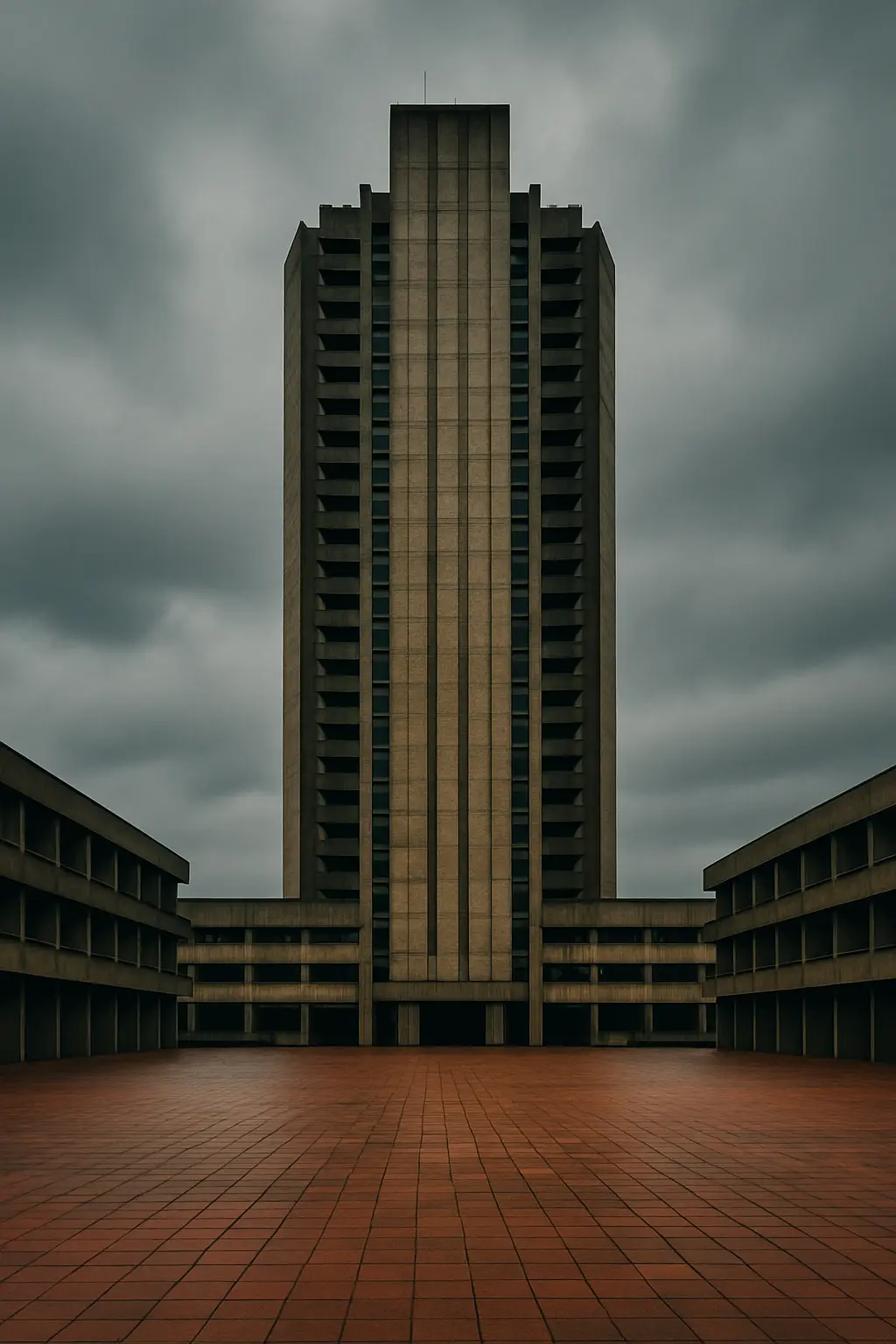
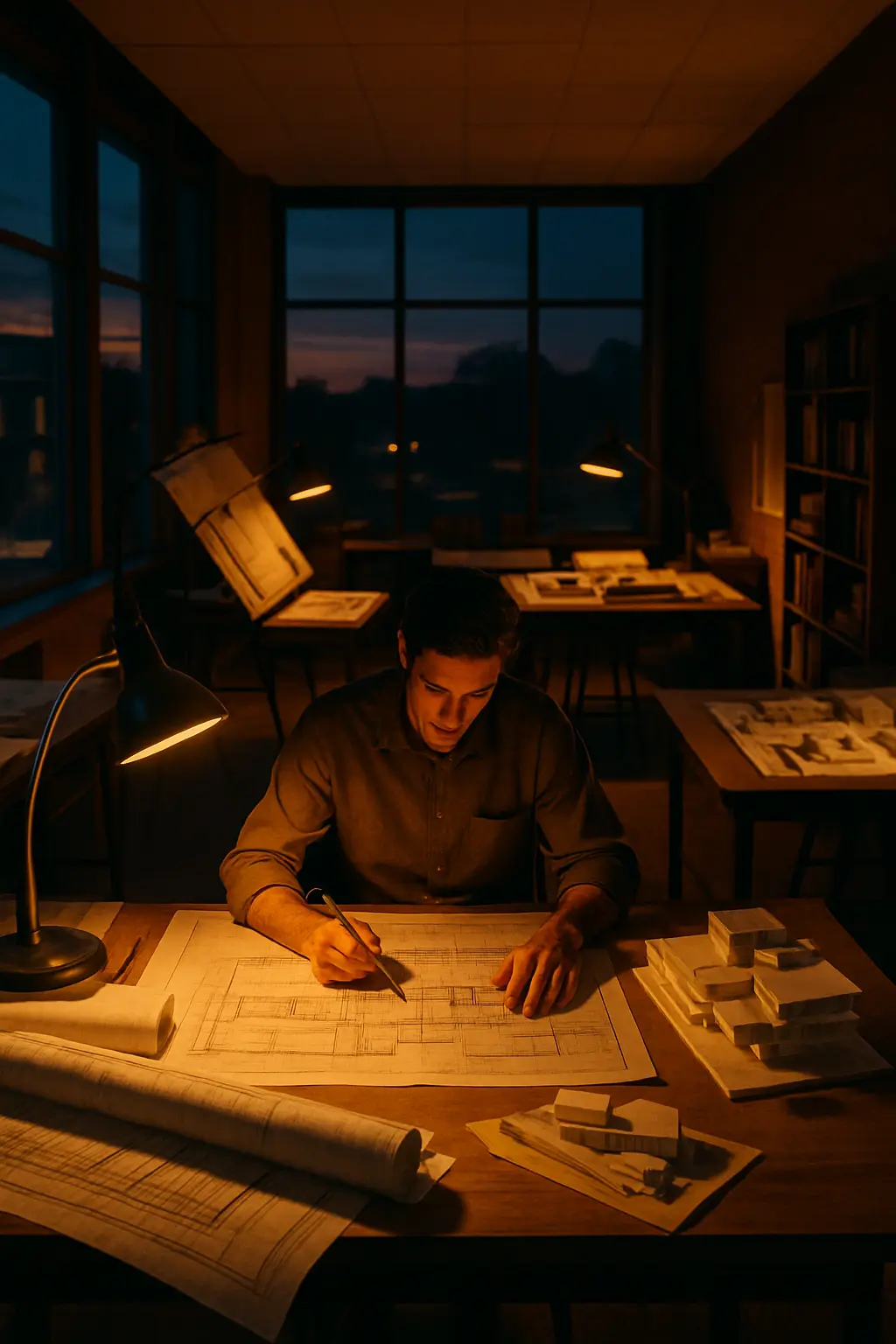
Architecture is perhaps the domain in which the stakes of this dynamic are highest. A building occupies space for generations, and the unease it generates, if miscalibrated, accumulates rather than fades. Post-war urban planning left a cautionary record of structures that felt inhospitable from the outset — not because they were ugly in any straightforward sense, but because their scale or material vocabulary placed them just outside the range of forms the human nervous system finds readable. Conversely, the buildings that age best tend to be those that answered contemporary taste while holding some element in reserve — a detail, a proportion, a material texture that continues to reward attention long after novelty has worn off.
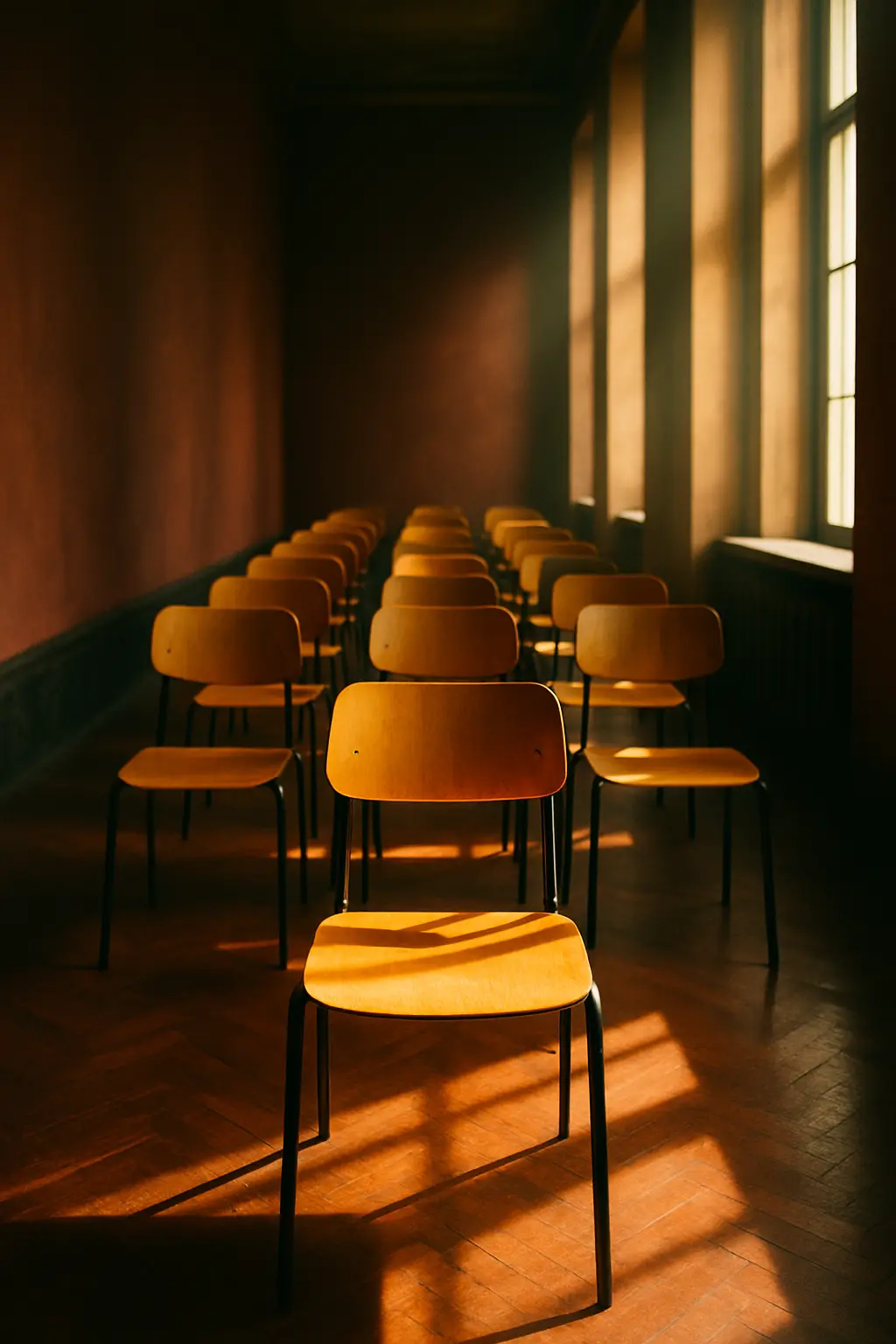
What the uncanny in design ultimately illuminates is the degree to which beauty is not a static property but an ongoing negotiation between maker, object, and perceiver. Good design does not simply gratify expectation; it also, at its best, gently recalibrates what we expect. The objects that endure are those that manage this recalibration with precision — strange enough to remain alive, familiar enough to remain inhabitable.