Midsummer Madness: The Strange Logic of Solstice Celebrations
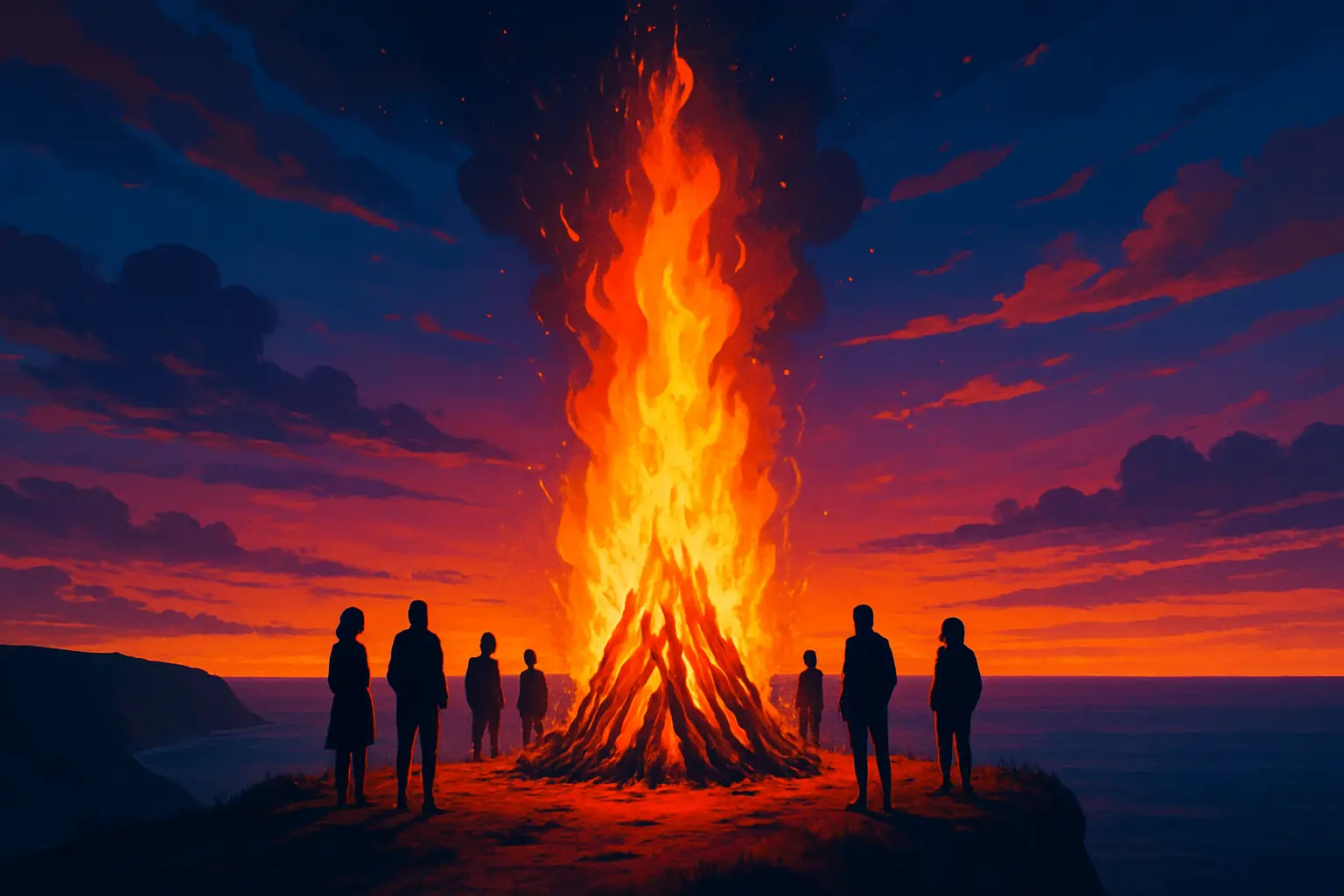
Every year, as the longest day of the year approaches, communities across the globe begin preparing rituals that, on the surface, appear baffling to the outsider. Bonfires are lit on clifftops. Strangers wade into freezing lakes at midnight. Flower crowns appear on the heads of otherwise entirely unremarkable commuters. Yet far from being relics of a credulous past, these midsummer traditions carry a sophisticated cultural logic that repays closer examination.
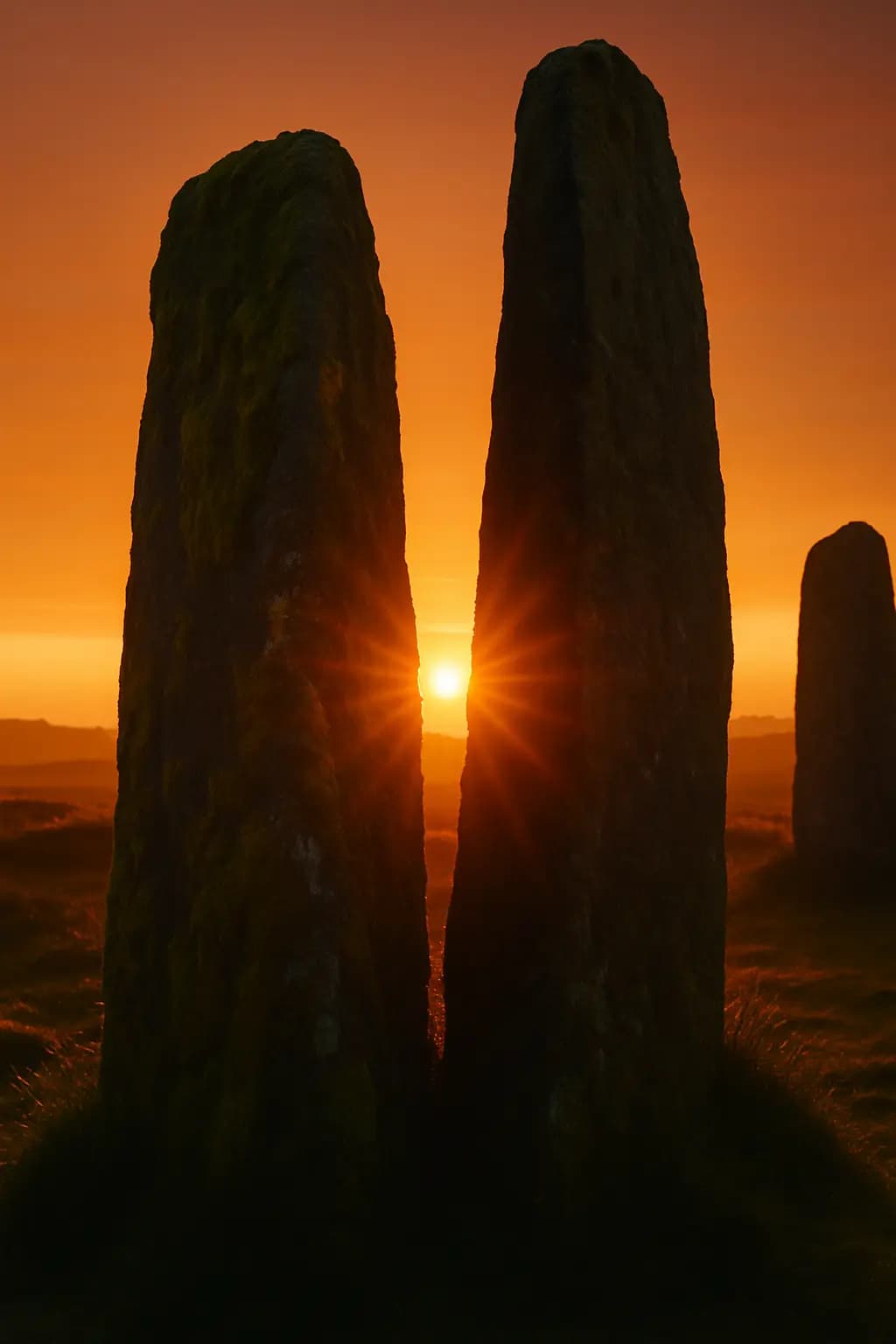
The summer solstice — the point at which the sun reaches its highest position in the sky and daylight is at its most generous — has been a focal point for human ceremony for millennia. Stonehenge in England, the ancient temple of Karnak in Egypt, and the pre-Columbian ruins of Chichen Itza in Mexico are all oriented with striking precision toward the solstice sunrise or sunset. These were not coincidences. Agricultural societies depended entirely on their understanding of seasonal cycles, and marking the turning point of the sun was both a practical necessity and an act of collective reverence.
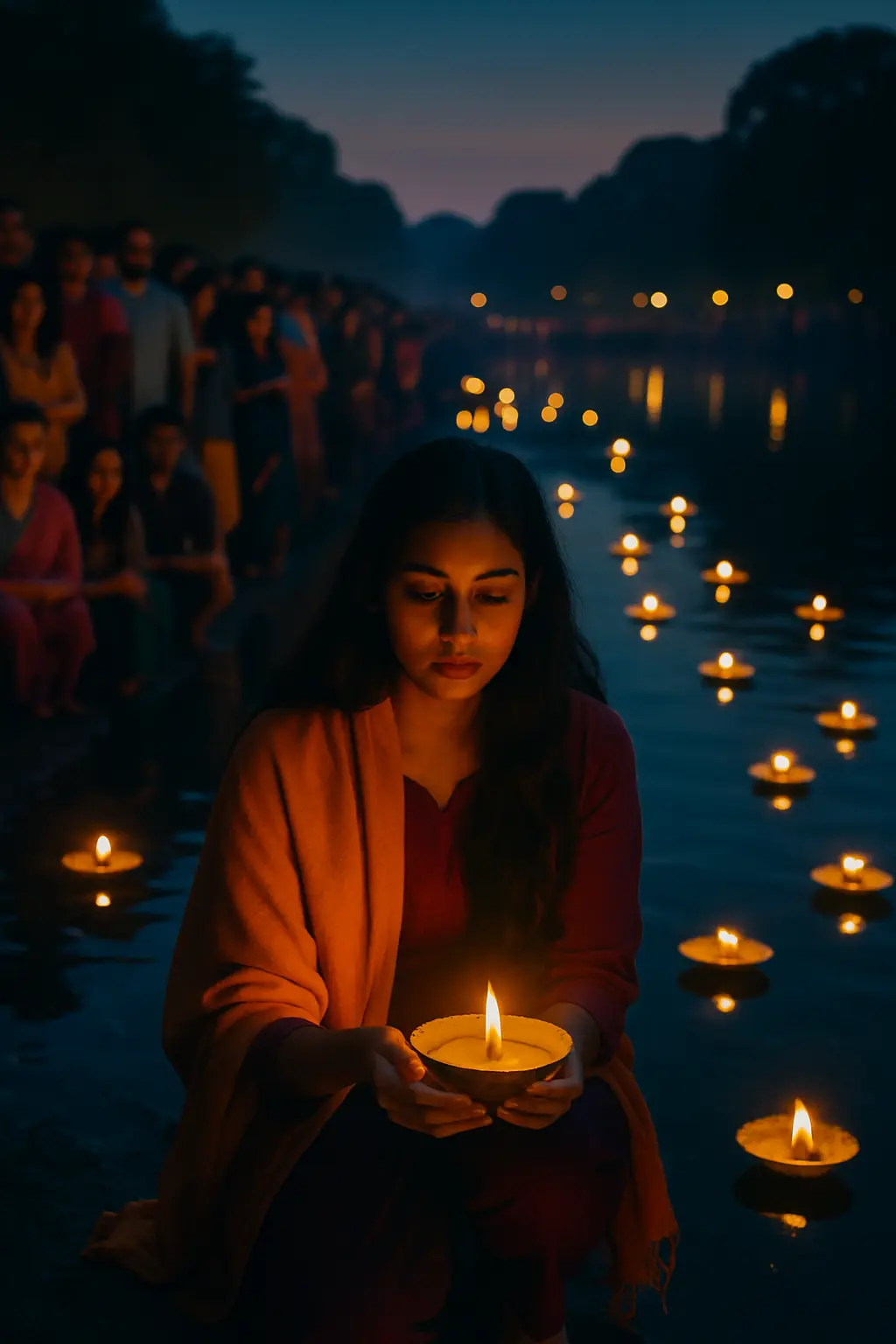
What is particularly striking about solstice festivals is how remarkably consistent their core symbols are across vastly different cultures. Fire appears almost universally — in Scandinavian Midsommar celebrations, in the Celtic tradition of Midsummer's Eve bonfires, and in the Slavic festival of Ivan Kupala. Water, too, plays a recurring role, whether as a ritual bath, a leaping point, or a vessel for floating candles. Anthropologists suggest that these shared motifs may reflect genuinely common anxieties: the fear that summer's abundance might not last, and the desire to mark, and perhaps negotiate with, the turning of the year.
Modern solstice celebrations have shed much of their original religious weight without losing their emotional power. Thousands still gather at Stonehenge each June not because they believe the stones hold supernatural force, but because there is something deeply satisfying about marking time collectively — about acknowledging, in the company of strangers, that the world spins on regardless. In an era defined by individual schedules and digital disconnection, that shared surrender to a cosmic rhythm may be precisely what endures.