The Invisible Crisis Beneath Our Feet: Why Freshwater Is Running Out
Water covers roughly seventy per cent of the Earth's surface, yet only a sliver of that vast expanse is actually fit for human consumption. Of all the water on the planet, less than three per cent is fresh, and most of that is locked away in glaciers and polar ice caps, rendering it inaccessible under any practical conditions. What remains — the rivers, lakes, and underground aquifers that civilisations have depended upon for millennia — is under unprecedented strain, and the warning signs are no longer subtle.
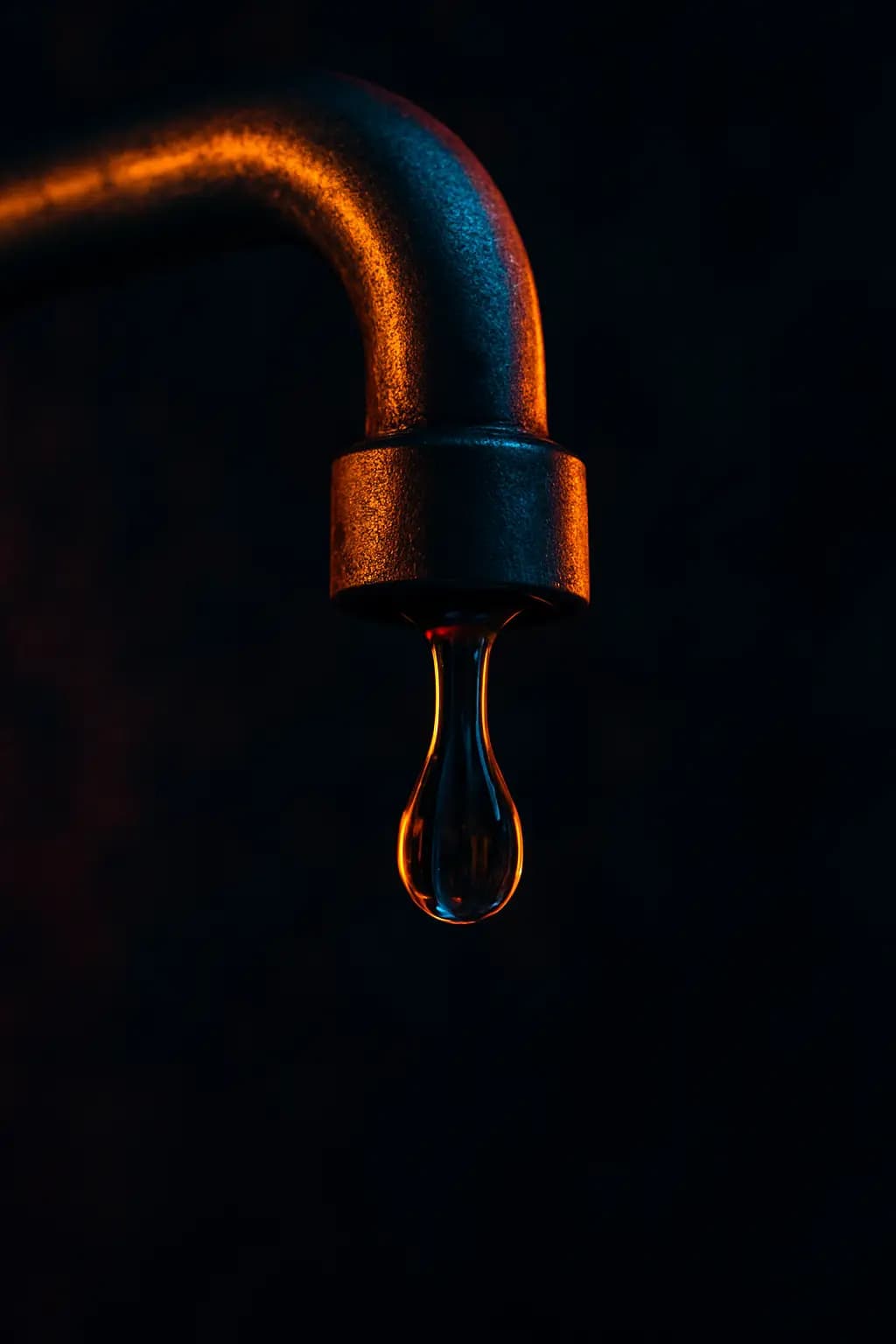
Aquifers are among the most consequential and least discussed elements of our global water infrastructure. These subterranean reservoirs, formed over thousands of years as rainwater percolated slowly through layers of rock and sediment, now supply roughly half the world's drinking water and a substantial portion of the water used in agriculture. The trouble is that many of the world's most critical aquifers are being depleted far faster than they can naturally replenish. In parts of northern India, the American Great Plains, and northern China, groundwater levels are dropping by metres annually — a rate that makes the word 'sustainable' ring rather hollow.

The agricultural sector bears much of the responsibility for this quiet haemorrhage. Growing enough food for a global population approaching eight billion people demands extraordinary volumes of water, and irrigation accounts for roughly seventy per cent of all freshwater withdrawals worldwide. Many conventional farming practices are strikingly inefficient: flood irrigation, for instance, allows a significant proportion of water to evaporate before it ever reaches plant roots. Meanwhile, the shift towards water-intensive cash crops in arid regions has compounded the problem considerably, pushing already stressed systems to their limits.
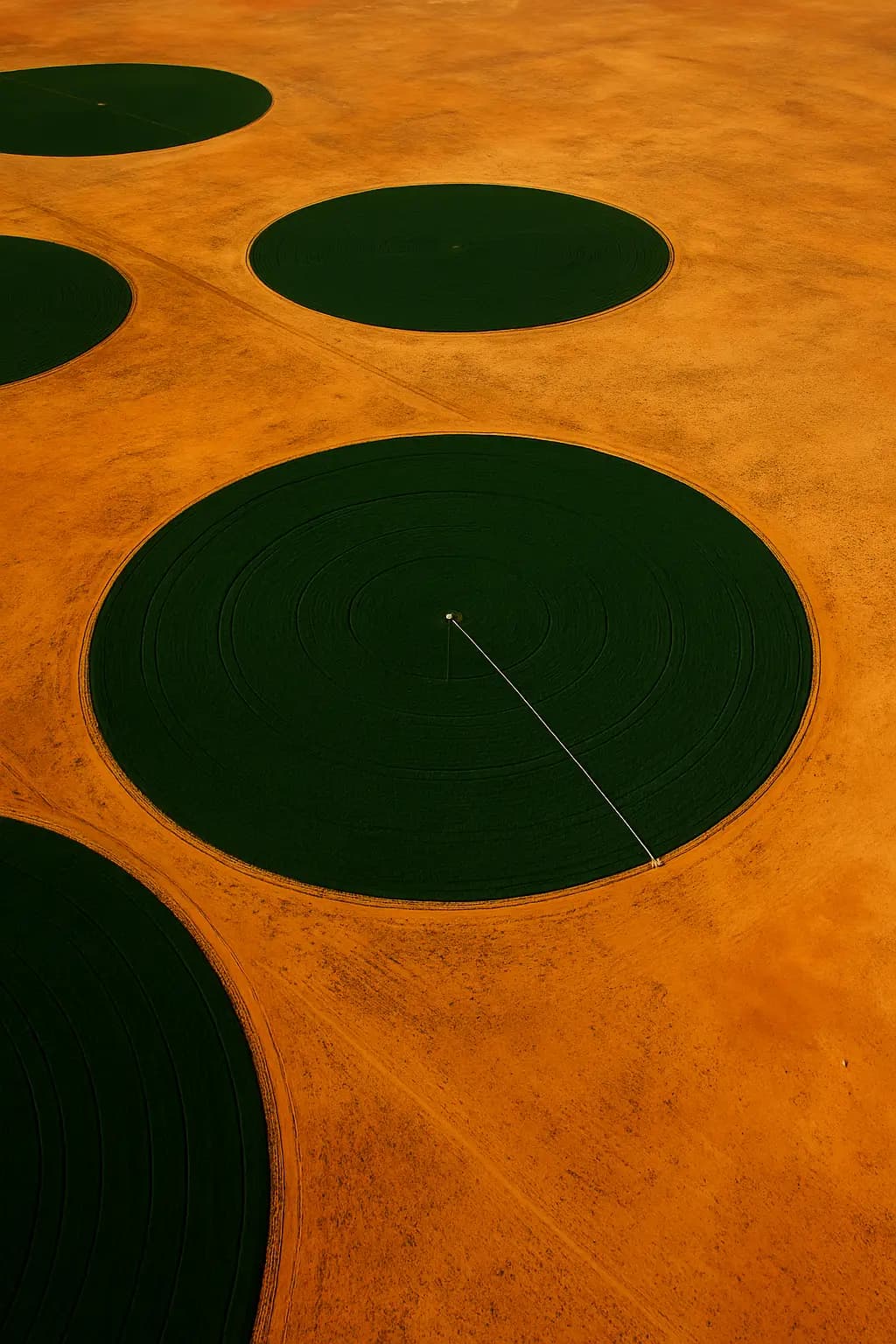
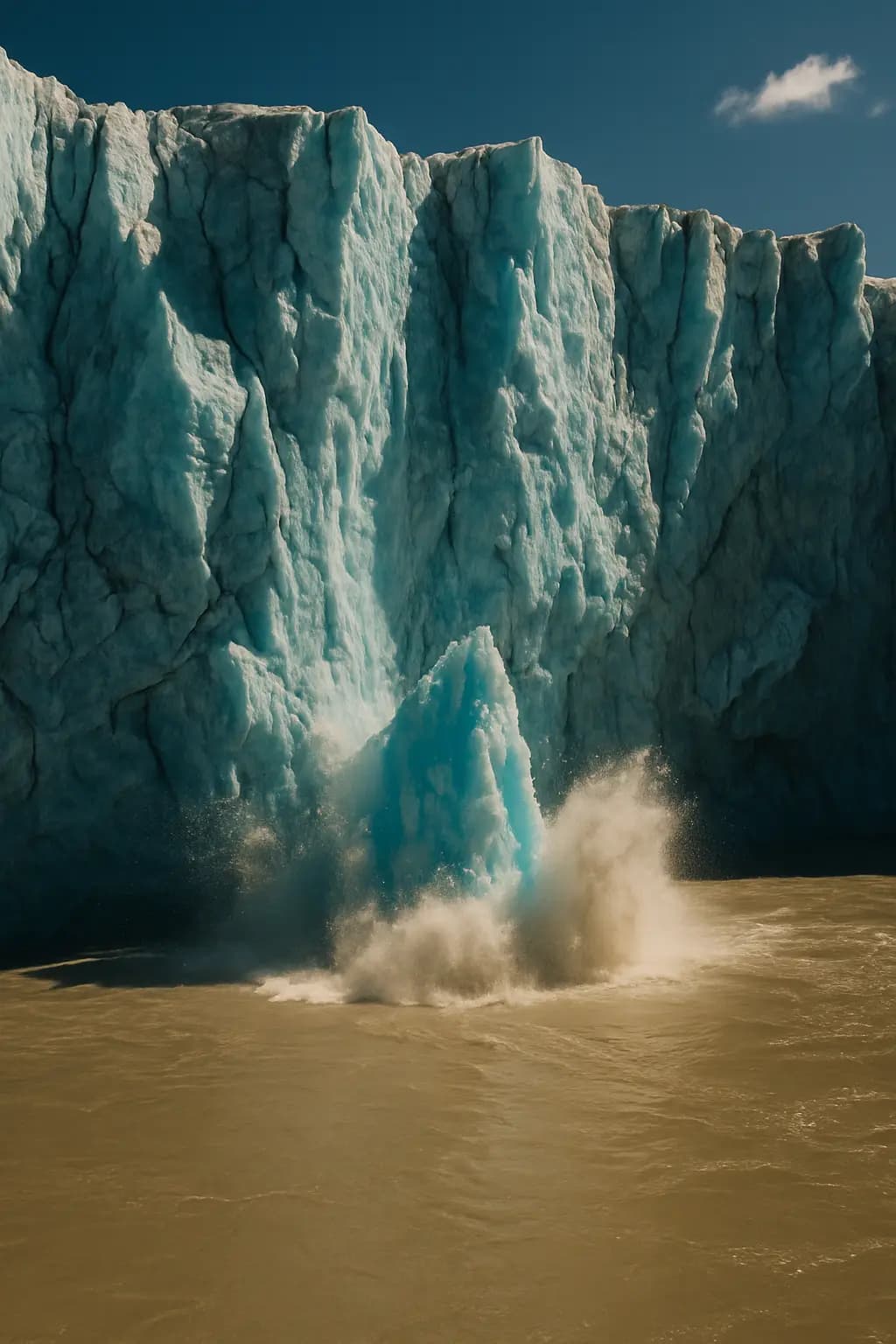
Climate change has introduced a further layer of complexity that defies easy resolution. While some regions are experiencing increasingly erratic rainfall and prolonged drought, others face the paradox of receiving more precipitation but losing it rapidly to intense runoff — water that sweeps across hardened, degraded land rather than soaking in to recharge depleted aquifers. Glaciers, which function as the world's great slow-release reservoirs, are retreating at accelerating rates, threatening the seasonal water supplies of hundreds of millions of people in Asia and South America who depend on glacial melt to sustain rivers through dry seasons.
None of this is inevitable, and that distinction matters enormously. Drip irrigation, desalination, water recycling, and the restoration of natural wetlands all represent genuine interventions with proven track records. Some cities have already demonstrated that demand can be dramatically curtailed through a combination of pricing incentives, public education, and infrastructure investment. But technical solutions, however elegant, cannot substitute for the political will to treat water as the finite, irreplaceable commons it truly is. The freshwater crisis is not a distant abstraction; it is a slow-moving emergency that is already reshaping livelihoods, driving migration, and stoking geopolitical tension — and it demands the same urgency we would bring to any crisis with a visible, audible countdown.