The Hidden Art of Doing Laundry
Few household chores inspire as much collective resignation as doing the laundry. Most people treat it as a necessary inconvenience — a task to be crammed between more pressing commitments, completed on autopilot while the mind wanders elsewhere. Yet there is an argument to be made that laundry, approached differently, can become one of the more quietly satisfying rituals of domestic life.
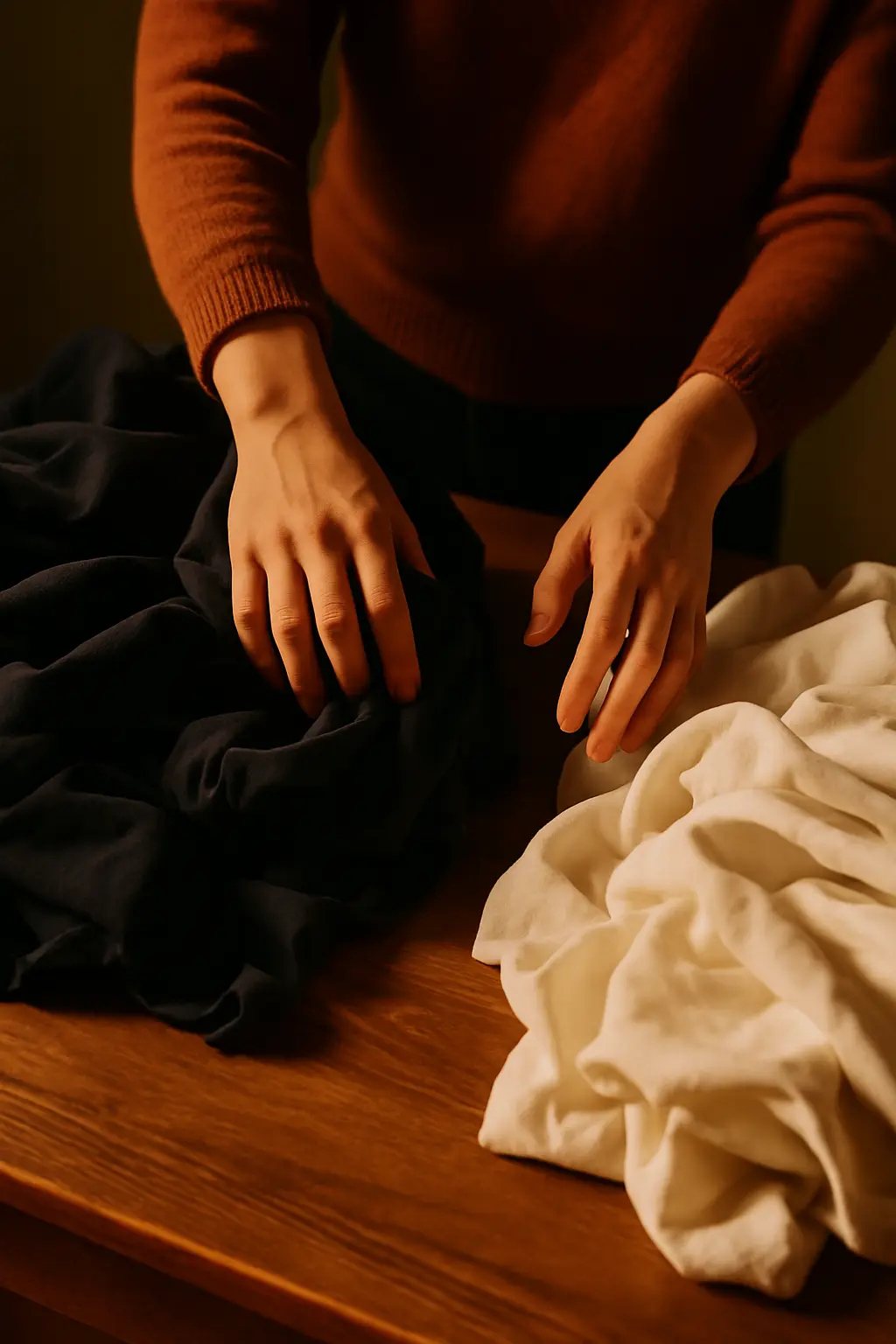
Part of the reason laundry feels so relentless is its cyclical nature. Unlike cooking a meal or finishing a report, it never truly ends. Clothes are worn, dirtied, washed, dried, folded, and worn again in an unbroken loop. Some people find this perpetual quality demoralising; others, however, have come to see it as oddly grounding. There is a certain comfort in tasks that ask nothing more of you than your attention and your hands. Sorting colours from whites, pairing socks, smoothing out a crumpled shirt — these small acts of order can feel, in a disordered world, quietly restorative.

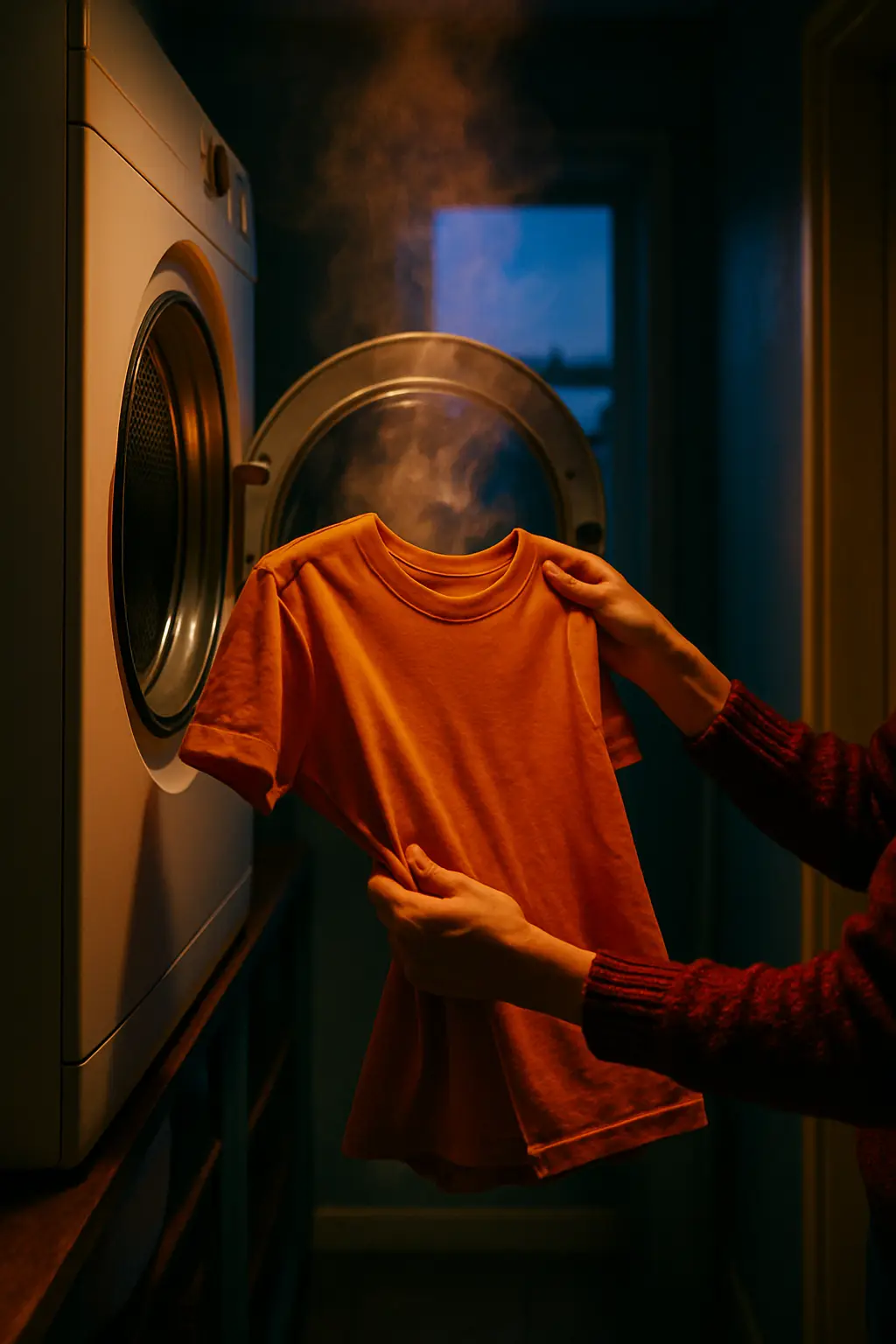
The sensory dimension of laundry is also worth acknowledging. The warmth of clothes fresh from the dryer, the faint scent of detergent on clean linen, the rhythm of folding — these are modest pleasures, but genuine ones. In an era when so many people report feeling overstimulated and mentally depleted, there is real value in tasks that engage the body without taxing the mind. Some researchers who study domestic habits suggest that repetitive manual chores can have a mild meditative effect, lowering the mental chatter that accumulates throughout a busy day.
None of this is to romanticise drudgery. Laundry remains, at its core, unglamorous work — and for those juggling multiple jobs or caring for a household alone, it is simply another burden. But for those with the luxury of slowing down, choosing to be present during even the most mundane chores might offer a small, unexpected reward. The basket will be full again by Thursday. That, perhaps, is not entirely a bad thing.