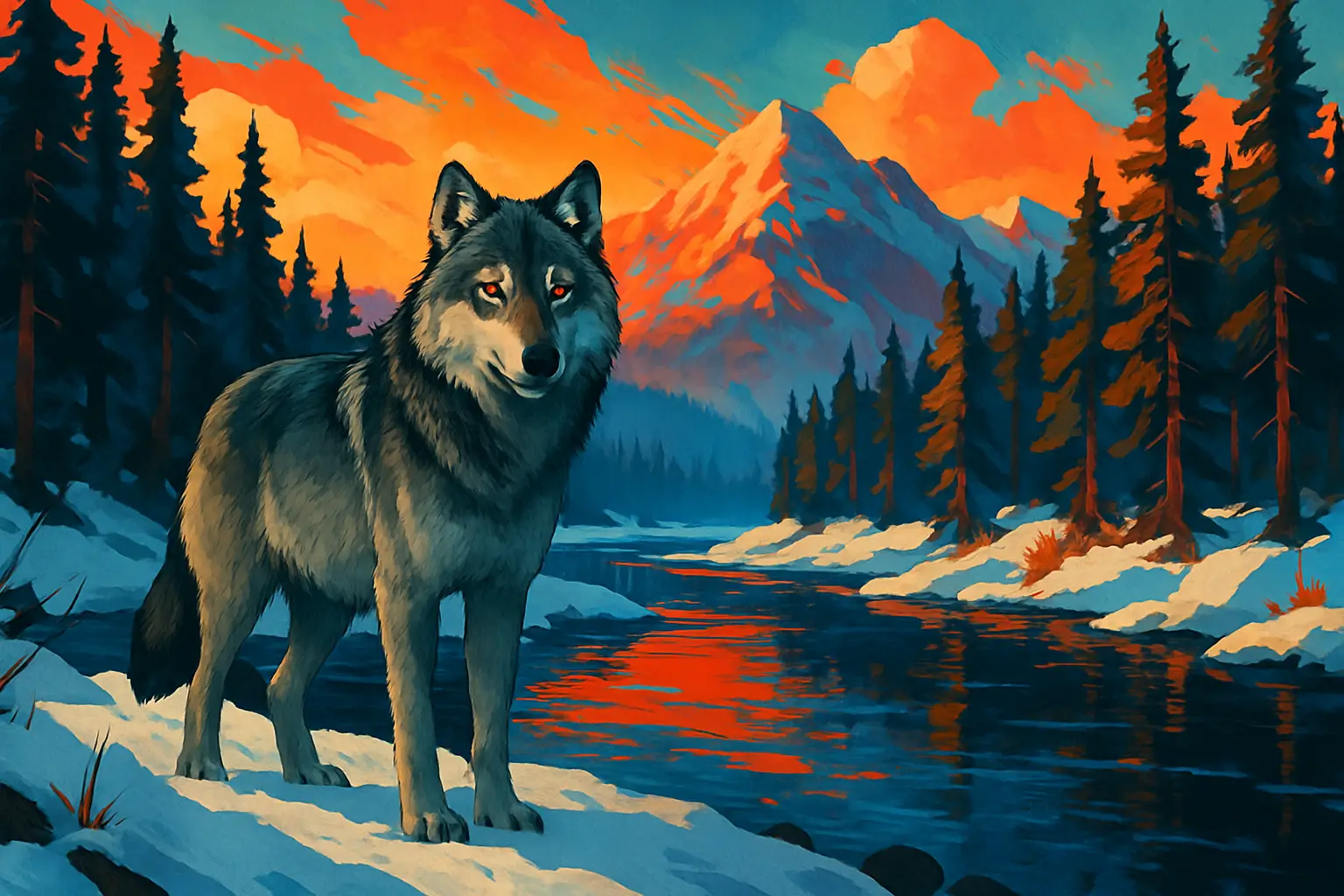
Why Wolves Change Rivers
When most people think about wolves, they imagine a dangerous animal to be feared or avoided. But scientists have discovered something remarkable: wolves can actually change the shape of a river. This idea is called a 'trophic cascade,' and it shows just how connected nature really is.
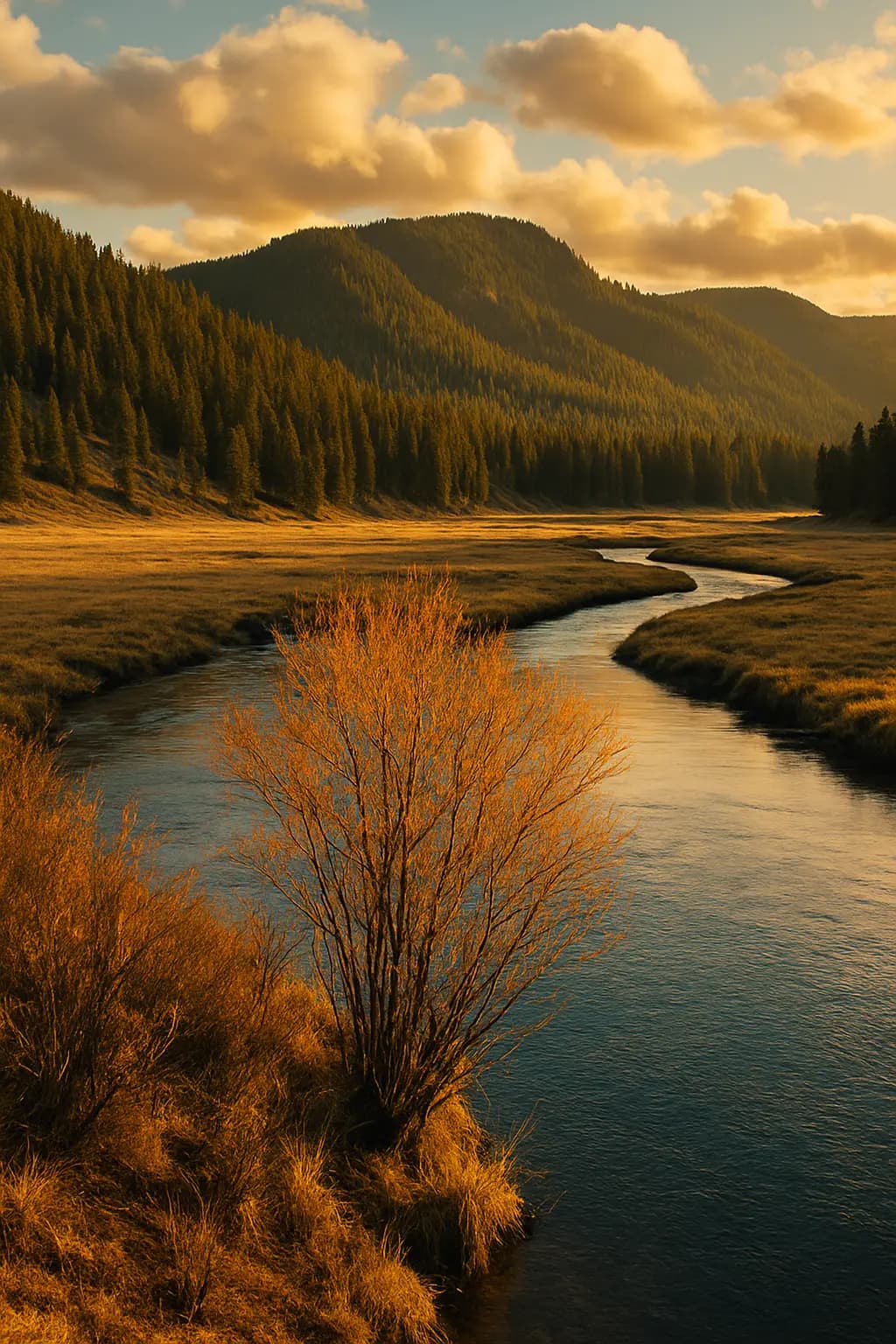
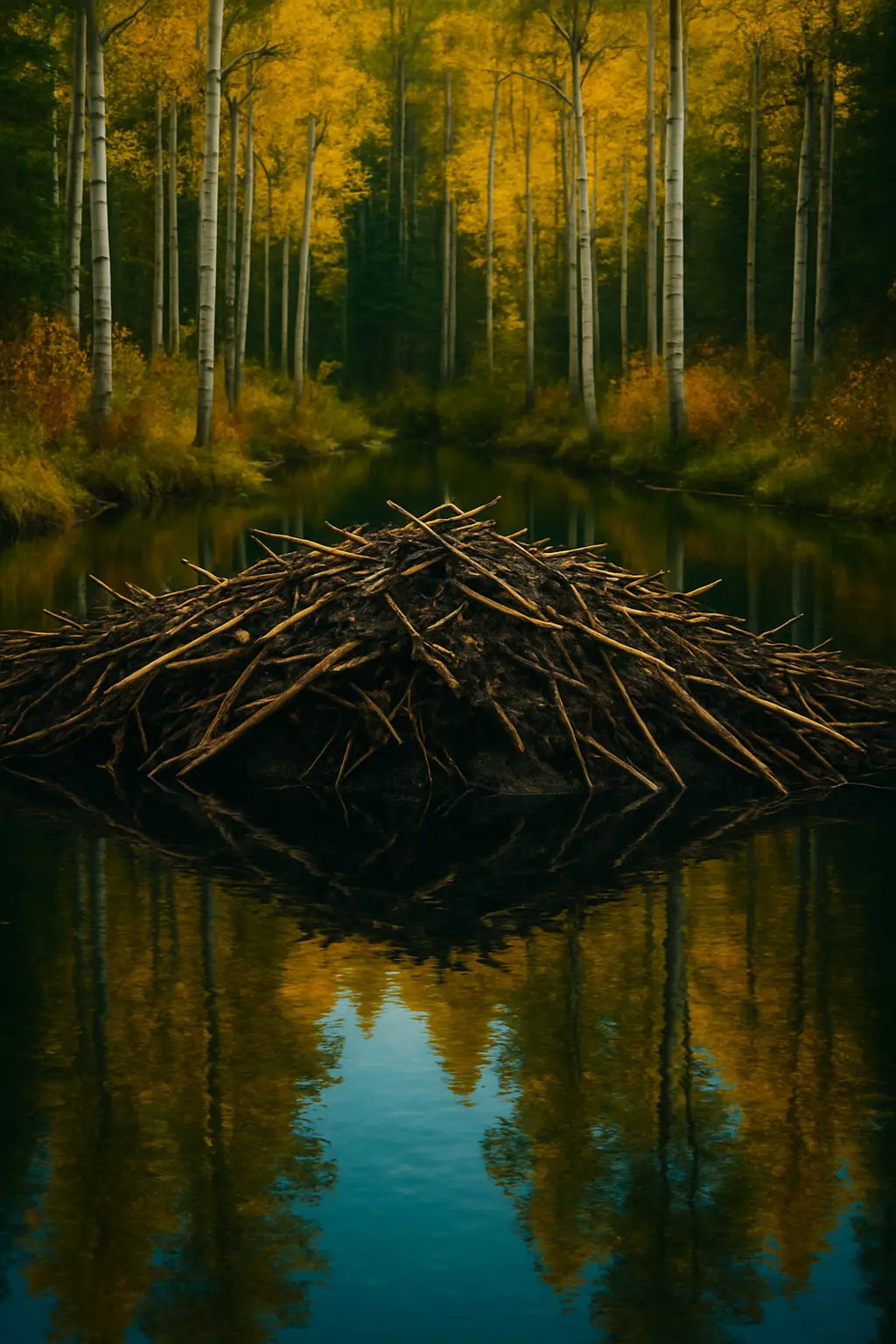
In 1995, wolves were reintroduced to Yellowstone National Park in the United States after being absent for nearly 70 years. Before long, something unexpected happened. The wolves began hunting deer, which was normal enough. But the deer started avoiding certain areas — particularly valleys and riverbanks — because those places were easy spots for wolves to attack. With fewer deer grazing in these areas, plants and trees began to grow back. Willows, aspens, and cottonwoods returned to the riverbanks. Birds and beavers moved in. Beavers built dams, which created ponds and changed the flow of water. Over time, the rivers literally changed course.
This story is a perfect example of why every animal matters in an ecosystem. It is easy to see large animals as either useful or a nuisance, but the truth is more complex. Removing one species from a habitat can have a knock-on effect that nobody predicts. The return of the Yellowstone wolves taught us that nature works like a web — pull one thread, and the whole thing shifts. Perhaps it is time we stopped thinking of wild animals as problems to solve and started seeing them as partners in keeping our world balanced.