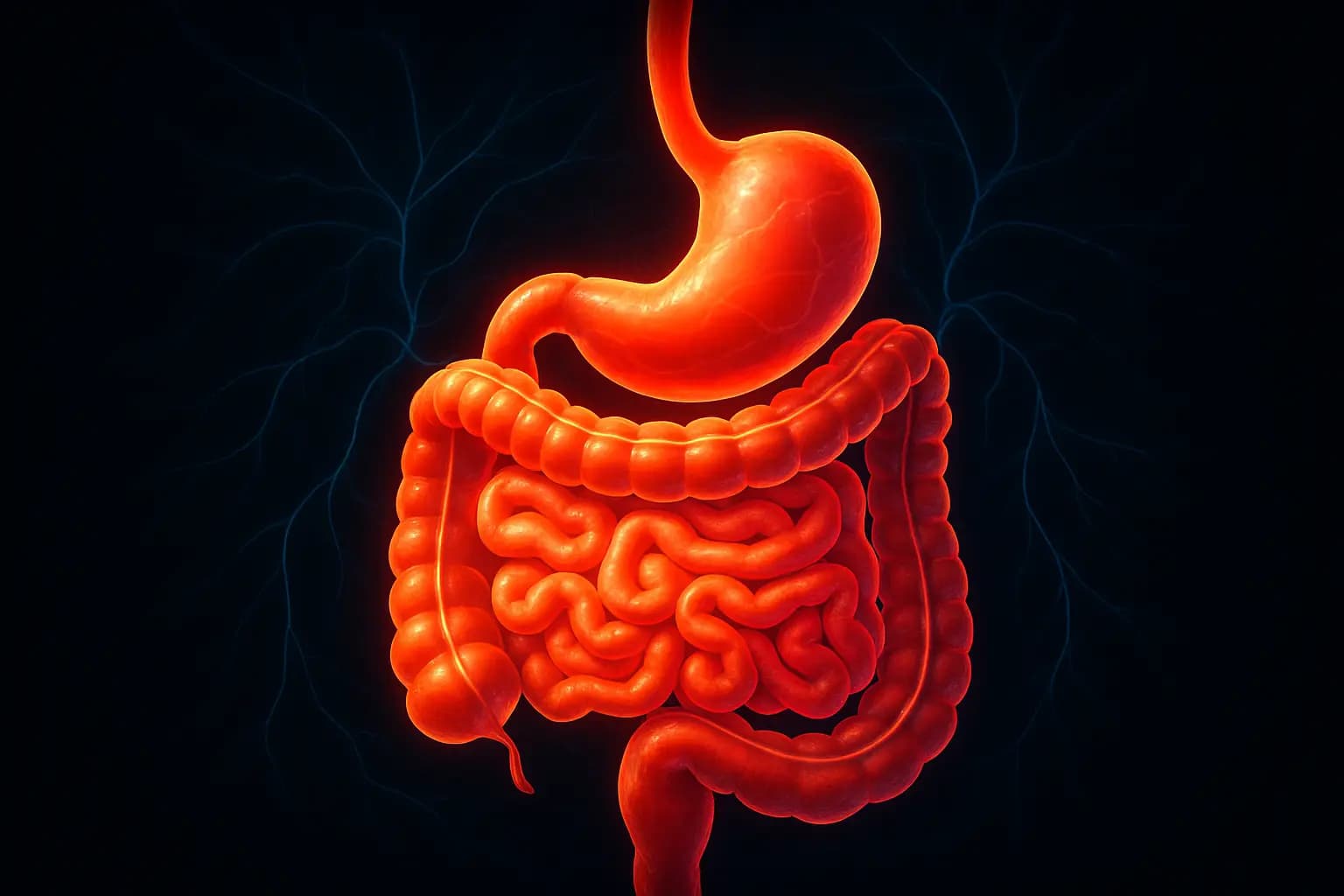
The Gut–Brain Axis: Your Second Mind
For centuries, medicine regarded the brain as the uncontested sovereign of the body, dispatching instructions downward while peripheral organs simply obeyed. That picture has been overturned with remarkable speed. Neuroscientists and gastroenterologists now speak of the gut–brain axis: a dense, bidirectional communication network that links the enteric nervous system — the sprawling web of roughly 500 million neurons lining the gastrointestinal tract — to the central nervous system via the vagus nerve, the bloodstream, and an array of signalling molecules. The gut, it turns out, is not a passive recipient of orders but an opinionated correspondent that shapes mood, cognition, and even behaviour.

The enteric nervous system earned its popular epithet, the 'second brain', because it can operate with considerable autonomy. It coordinates peristalsis, regulates secretion, and monitors the intestinal environment without waiting for cranial permission. Yet its influence extends far beyond digestion. Approximately 90 percent of the fibres in the vagus nerve carry signals upward — from gut to brain — rather than the other way around. This asymmetry has profound implications: the intestinal ecosystem is not merely responding to the body's emotional life but actively contributing to it.
Central to that contribution is the gut microbiome — the estimated 38 trillion bacteria, fungi, and other microorganisms that colonise the large intestine. These microbes synthesise neurotransmitters and neuroactive compounds, including around 95 percent of the body's serotonin, a molecule closely associated with mood regulation and emotional resilience. They also metabolise dietary fibre into short-chain fatty acids, which reduce systemic inflammation and help maintain the integrity of the blood–brain barrier. Disruptions to microbial diversity — through antibiotic overuse, highly processed diets, or chronic stress — have been correlated with heightened anxiety, depressive symptoms, and impaired cognitive performance, though researchers are careful to distinguish correlation from causation.