Why Renting Clothes Is Reshaping the Way We Dress
For most of the twentieth century, owning clothes was the default assumption of fashion. You bought a dress, wore it a handful of times, and eventually pushed it to the back of a wardrobe. Yet a quiet revolution has been reshaping this logic, one borrowed blazer at a time. The rental clothing market — once confined to wedding suits and theatrical costumes — has expanded dramatically, and its implications stretch well beyond mere convenience.
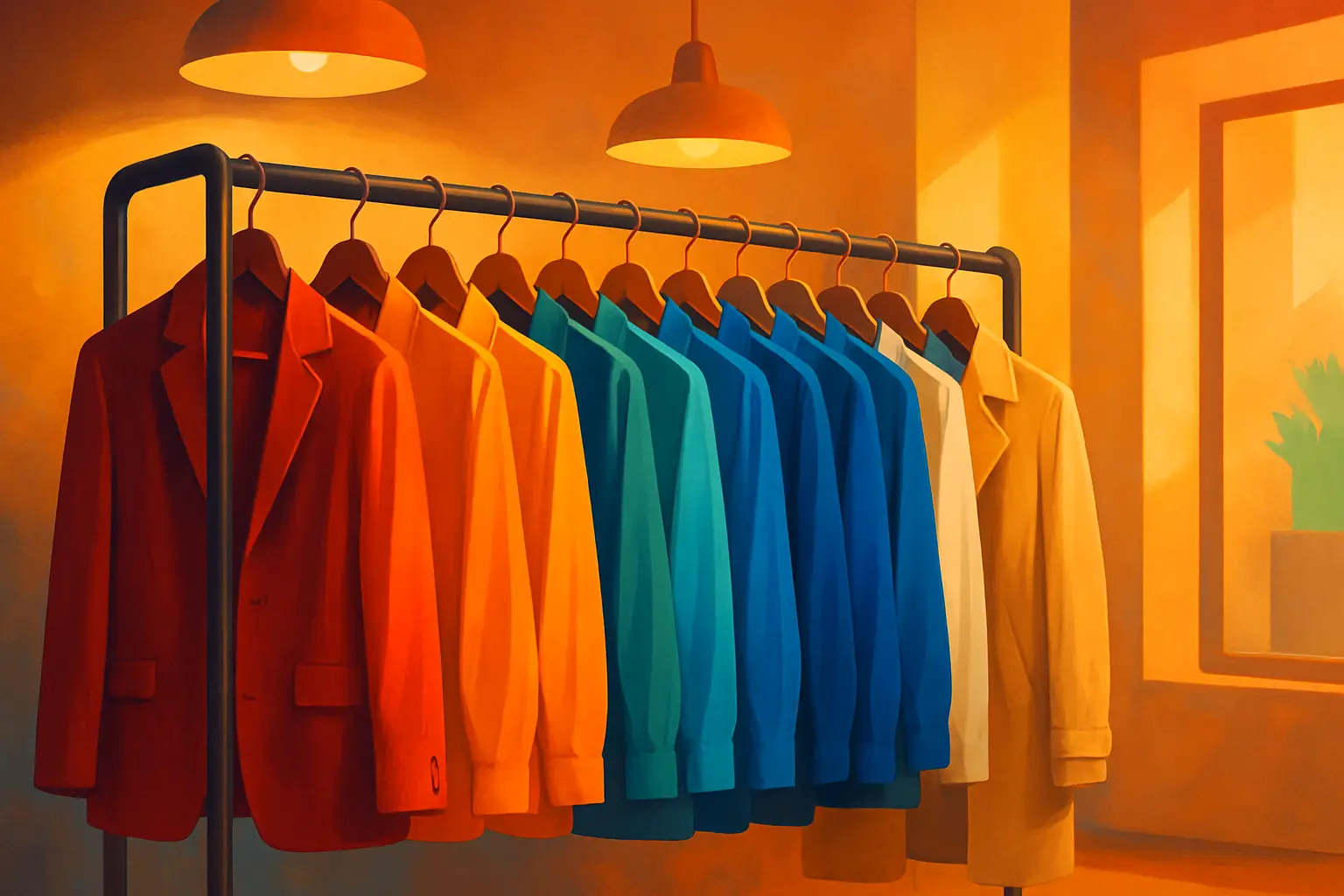
The appeal is, on one level, straightforwardly economic. Renting a designer outfit for a weekend costs a fraction of its retail price, granting access to labels that would otherwise remain out of reach for most budgets. But the shift runs deeper than affordability. Many subscribers report a fundamentally different relationship with their wardrobe: without the commitment of ownership, they feel free to experiment — to try a dramatically oversized silhouette one month and a sharply tailored suit the next. Fashion, long associated with self-expression, becomes genuinely playful rather than a series of expensive gambles.
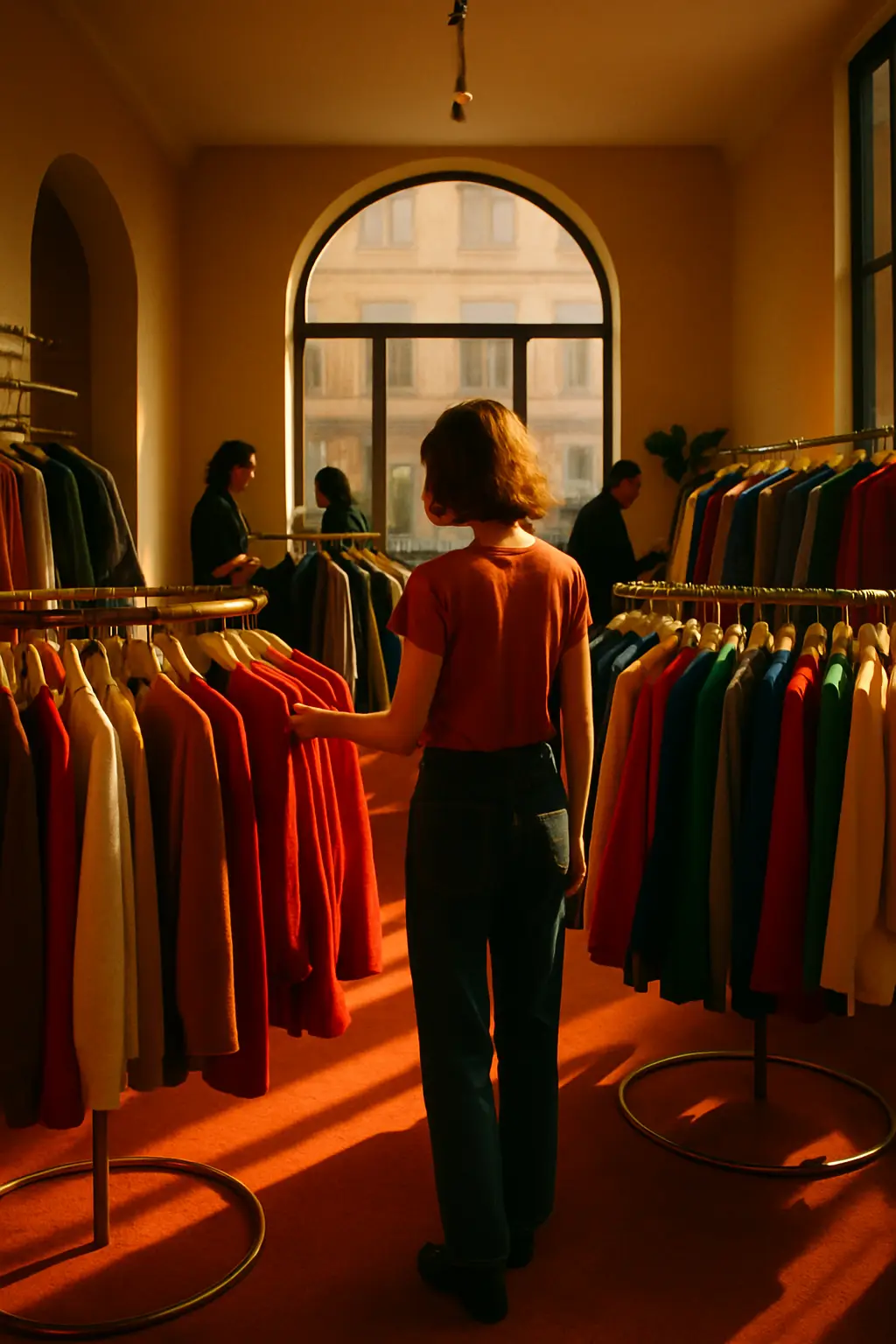
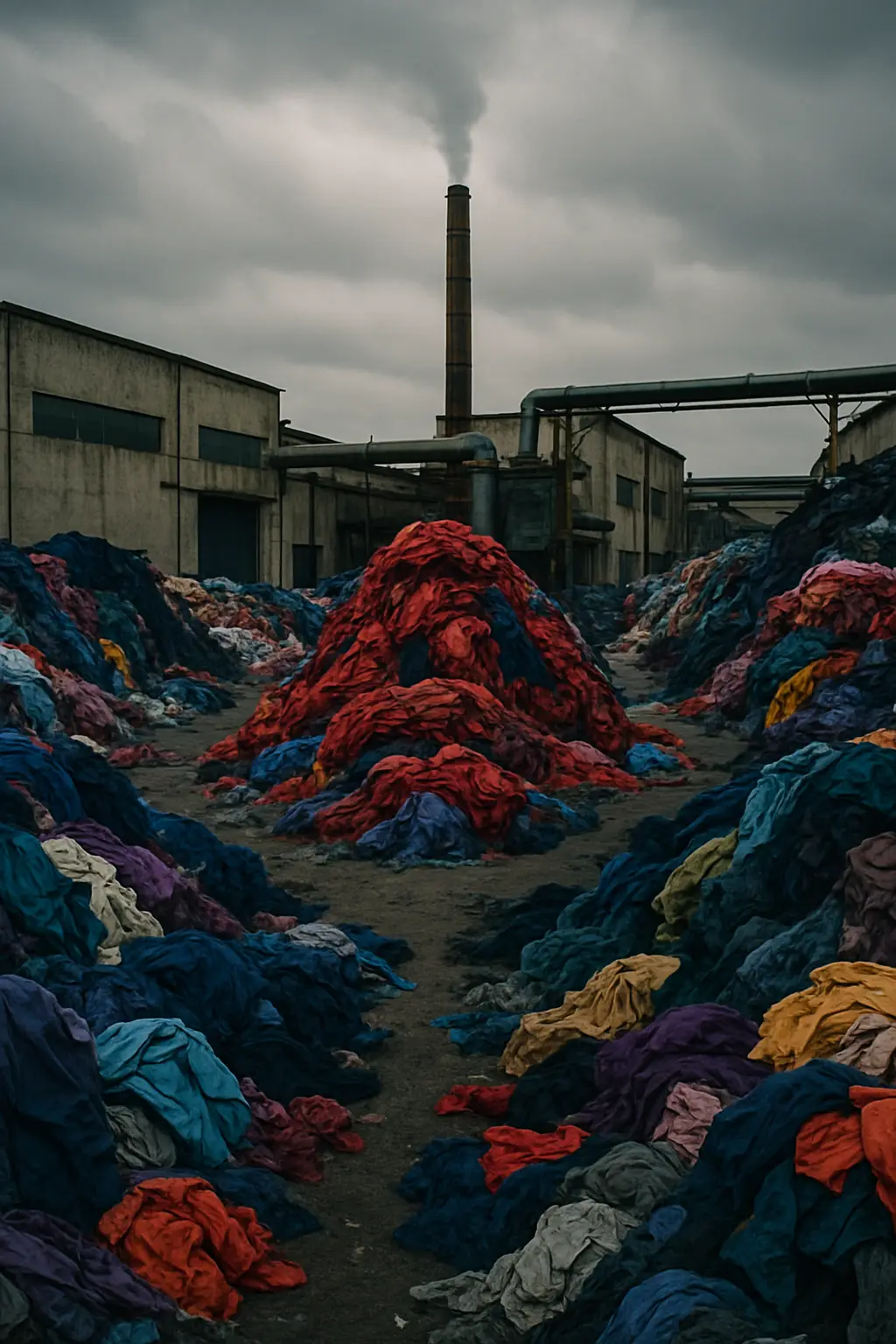
Environmental arguments have added considerable momentum to the trend. The fast-fashion industry is widely acknowledged as one of the more resource-intensive sectors of the global economy, generating enormous volumes of textile waste and consuming vast quantities of water during production. Clothing rental, proponents argue, extends the active lifespan of each garment and reduces the pressure to manufacture at relentless speed. Critics, however, raise legitimate counter-points: the logistics of cleaning, repairing, and shipping garments repeatedly carry their own carbon footprint, and the net environmental gain remains genuinely contested among researchers.

What seems less disputed is the cultural shift that rental culture reflects. Younger consumers increasingly define identity through experience and curation rather than accumulation. The idea that you must possess something in order to express yourself through it is quietly losing its grip. Whether rental fashion ultimately proves to be a sustainable solution or a niche indulgence, it has already forced the industry to reckon with a question that goes to the heart of what clothing means: is a garment something you own, or something you inhabit?