The Strange Beauty of Liminality: Why Threshold Festivals Endure
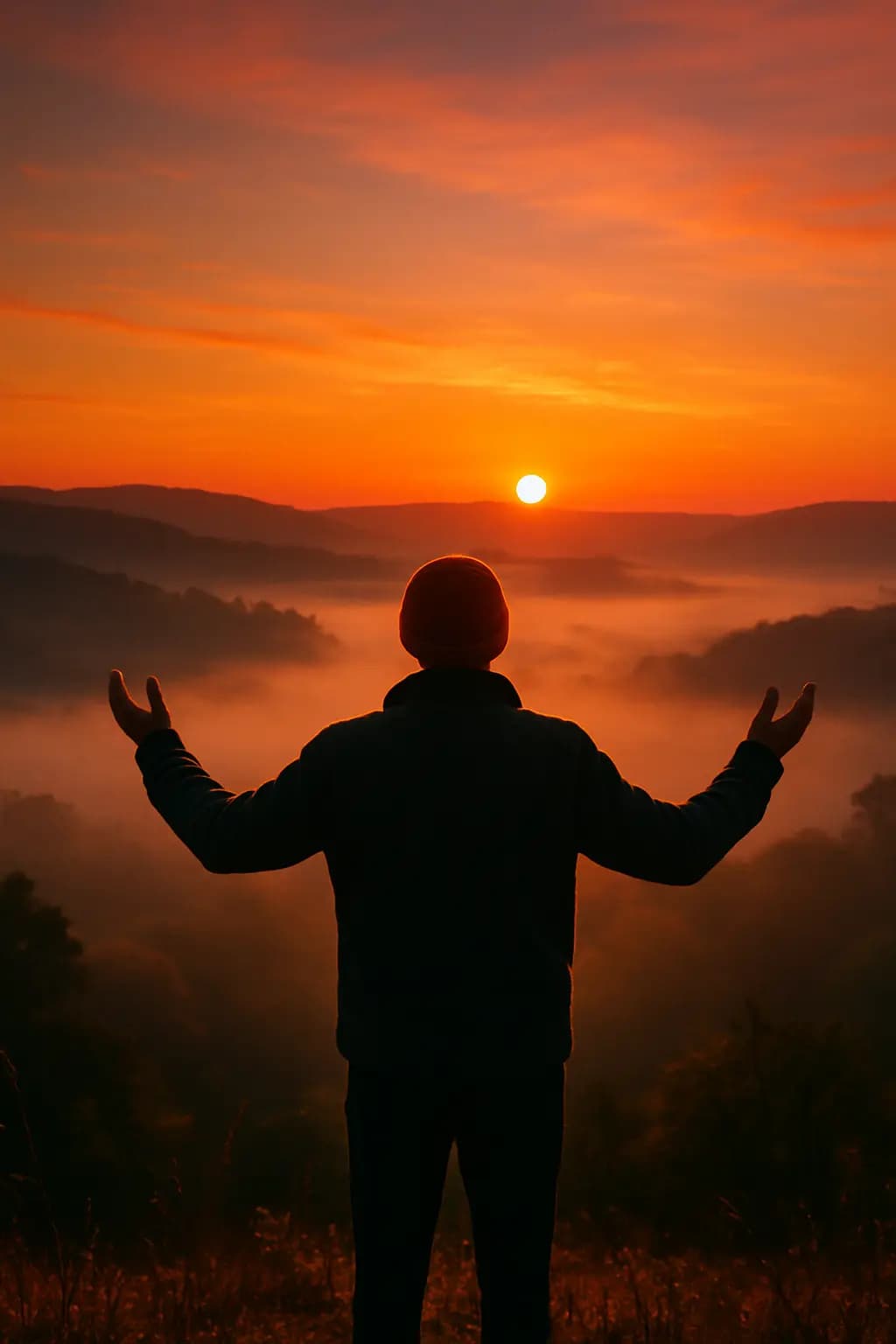
There is something deeply compelling about the human impulse to mark transitions. Across cultures and centuries, people have gathered at moments of change — the dying of a year, the shift of a season, the crossing from darkness into light — and transformed those invisible thresholds into elaborate, often strange, public spectacles. Threshold festivals, as anthropologists sometimes call them, occupy a peculiar niche in the social calendar: they are neither purely celebratory nor wholly solemn, but hover in the productive tension between the two.
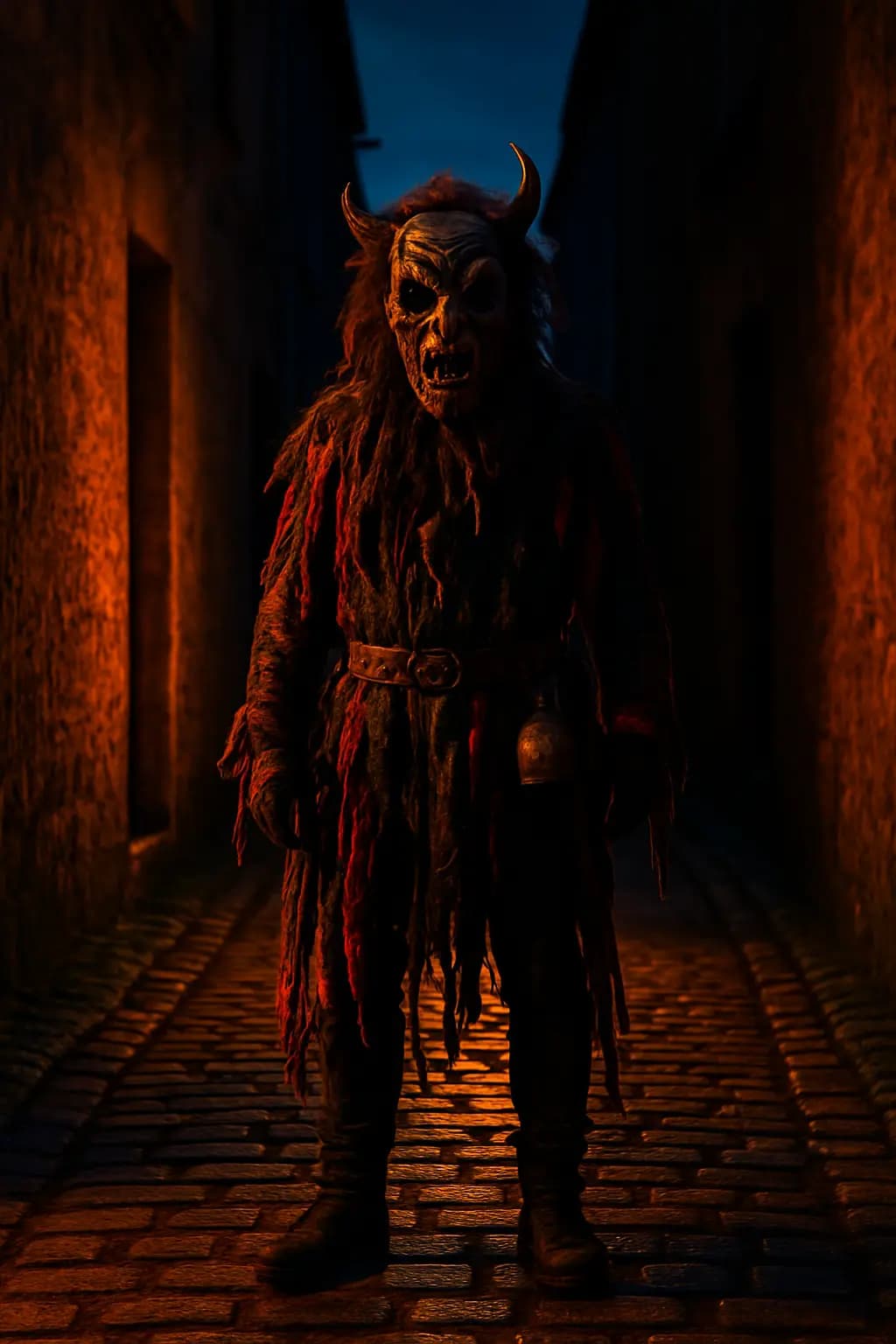
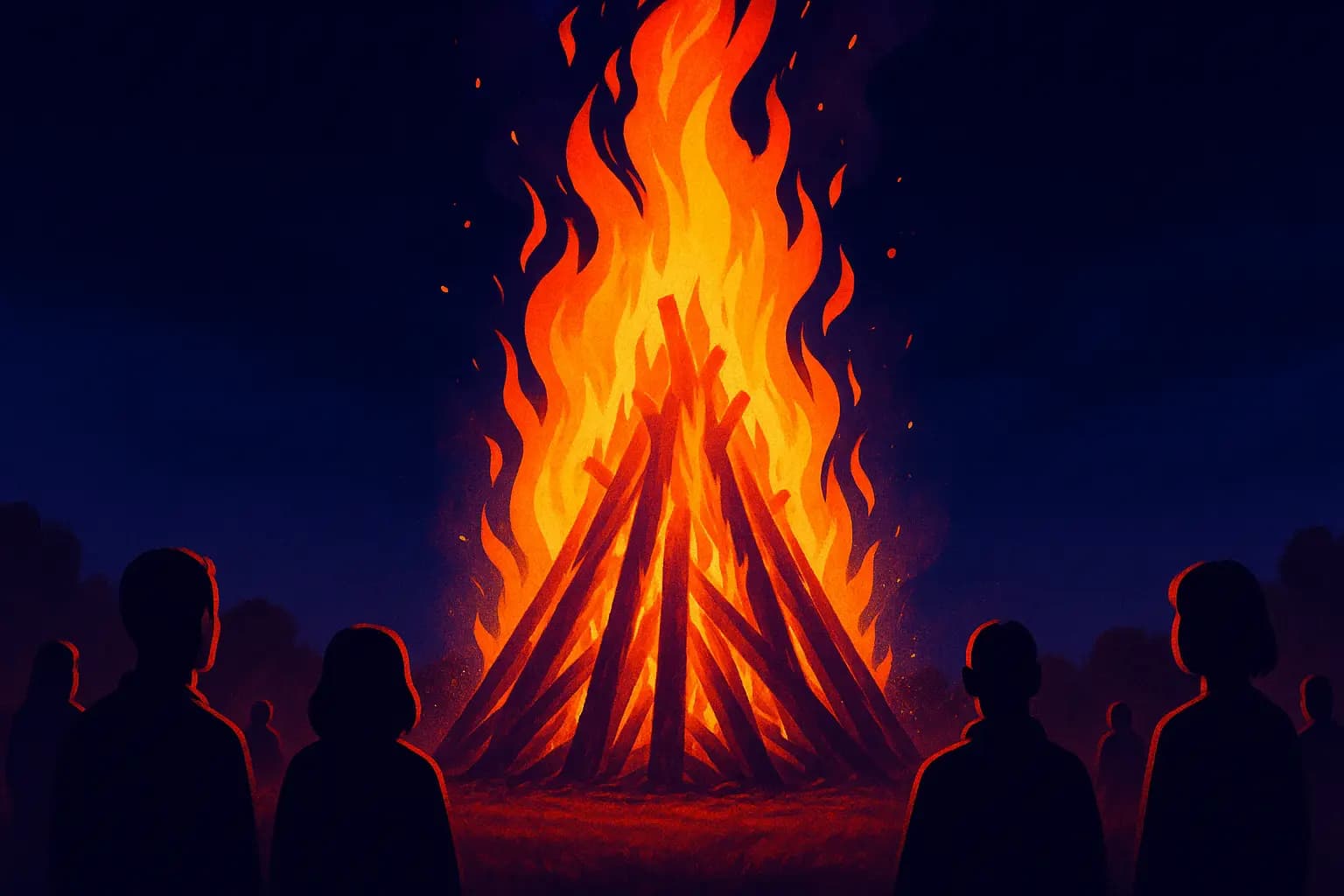
Consider the rich tradition of midwinter festivals. Long before contemporary commercialised versions took hold, communities in northern latitudes developed sophisticated rituals to confront the bleakest point of the year head-on. Rather than retreating from the darkness, they lit enormous bonfires, paraded through streets in grotesque masks, and invited a controlled form of disorder into their towns. The logic was counterintuitive but psychologically astute: by staging chaos in a bounded, consensual way, communities reasserted collective control over forces they could not otherwise govern. The darkness was not denied; it was ritually absorbed and overcome.
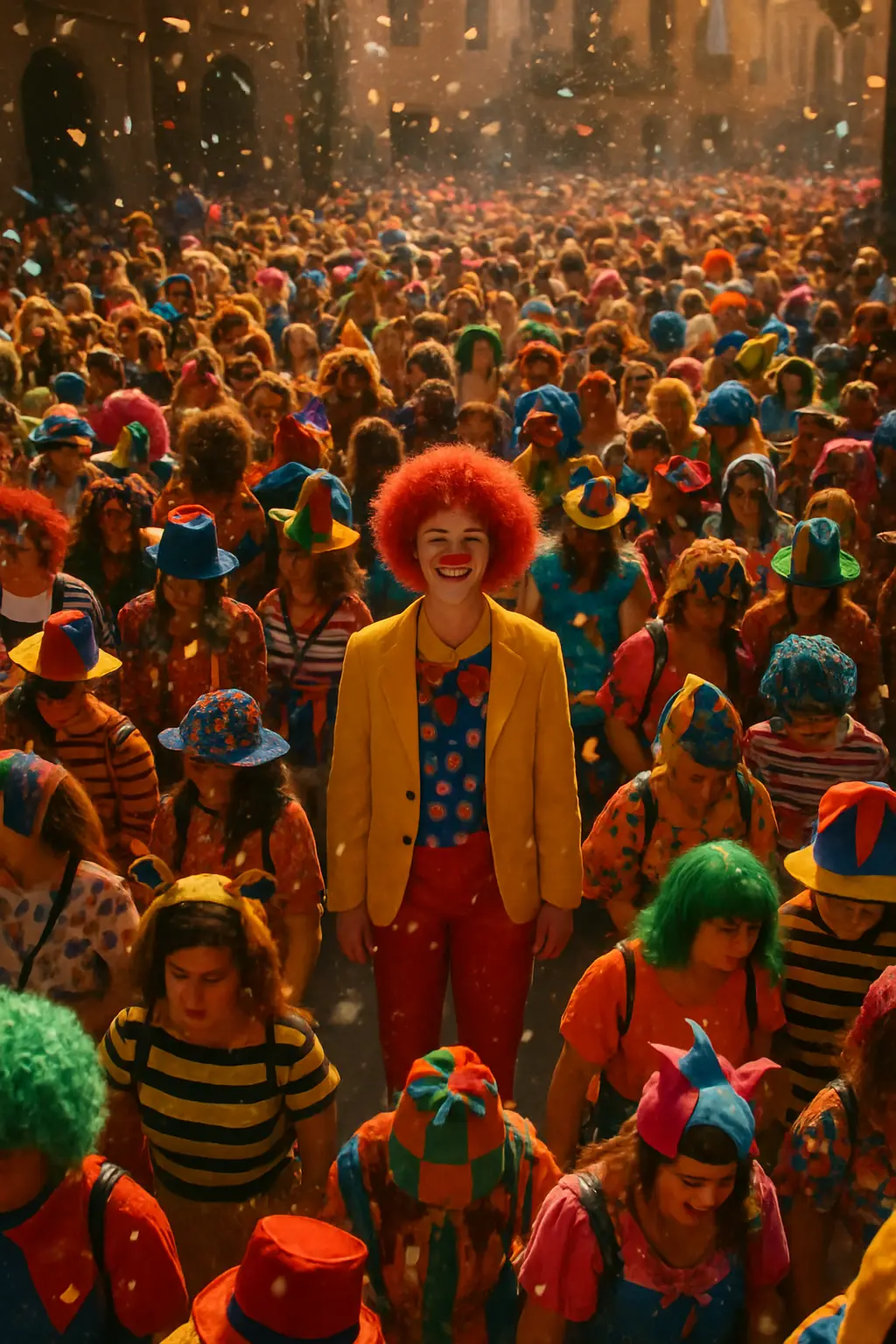
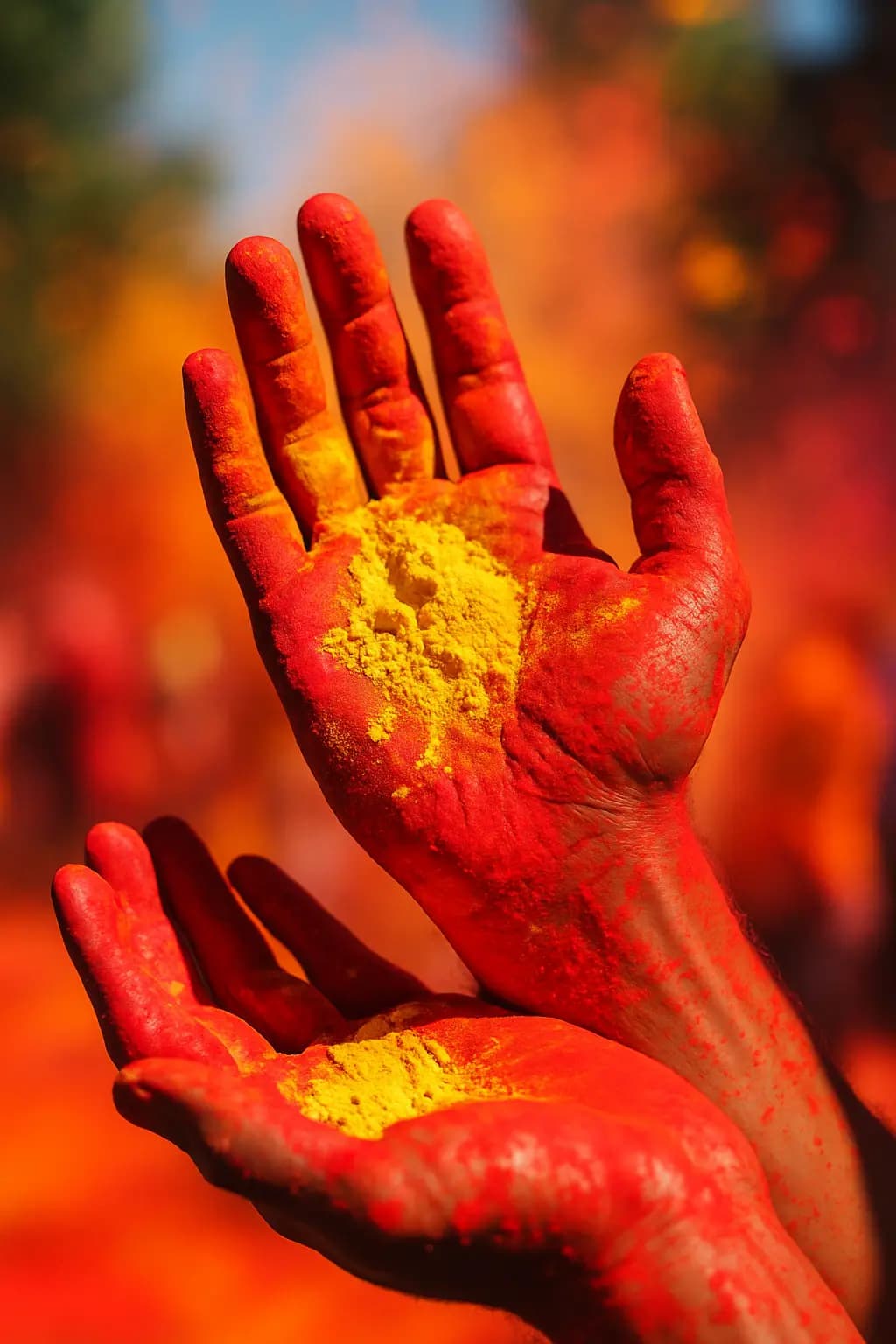
This principle of structured inversion — the temporary suspension of normal social rules — appears with striking regularity across unrelated cultures. Caribbean carnival, the Roman Saturnalia, the South Asian festival of Holi: each involves a moment in which ordinary hierarchies are gleefully upended, status markers are shed, and strangers are licensed to behave towards one another with an intimacy that everyday life would never permit. Sociologists have long noted that these episodes of licensed transgression paradoxically reinforce the social order they appear to subvert. By providing a sanctioned release valve, they make the resumption of ordinary constraints not only tolerable but actively welcome.
What is perhaps most striking about threshold festivals is their resilience in the face of modernity. Secularisation, urbanisation, and the relentless acceleration of contemporary life might have been expected to erode rituals rooted in agrarian time and religious cosmology. Instead, many have flourished, mutating to accommodate new meanings without surrendering their essential character. The midsummer bonfires of Scandinavia draw larger crowds than ever; urban populations in cities far removed from any agricultural cycle still gather to mark solstices with an almost visceral urgency. This suggests that the appetite for collective ritual is not merely cultural habit but something closer to a psychological necessity.
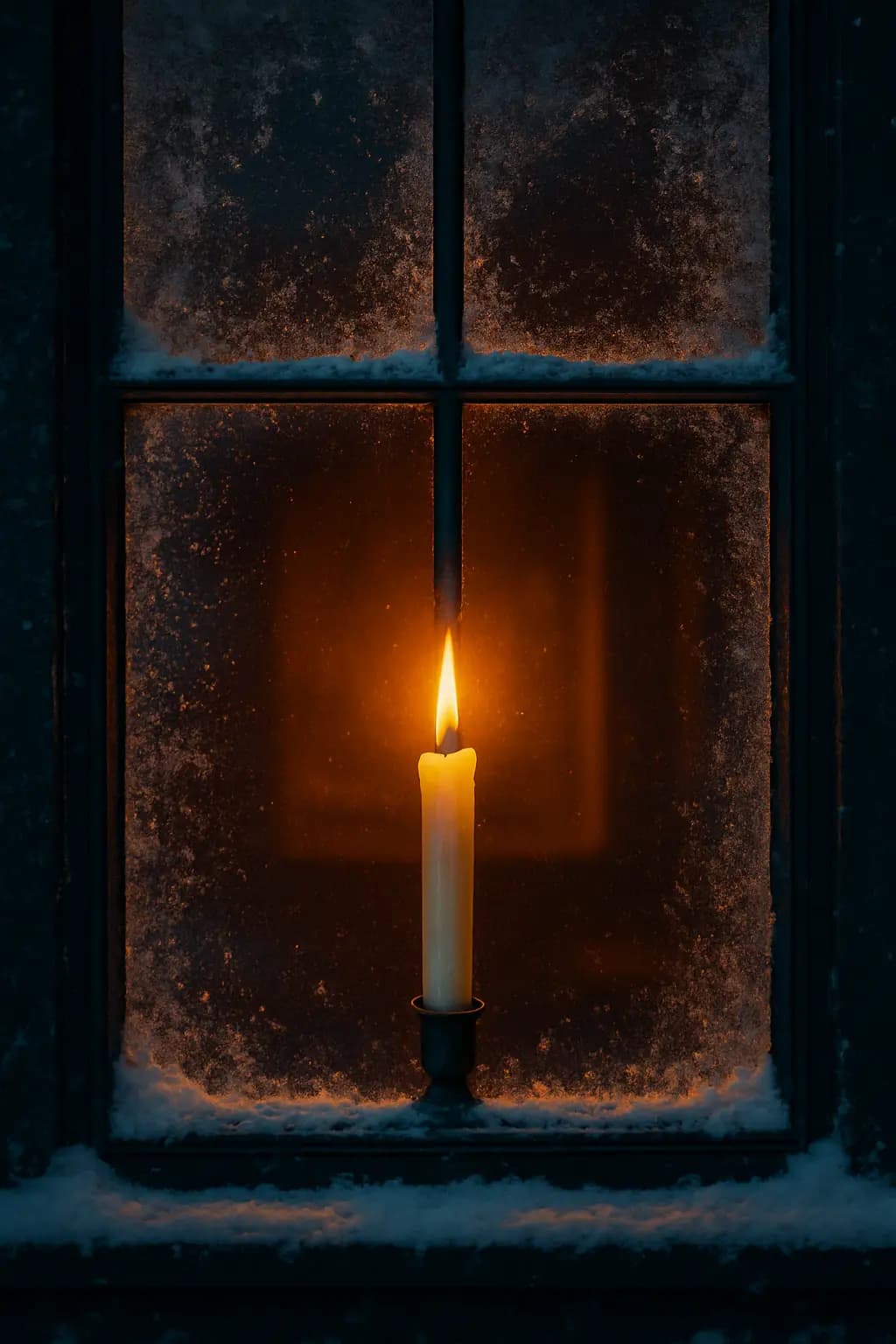
Perhaps the deepest function of threshold festivals is not celebration or catharsis at all, but orientation. In a world of fluid identities and fractured timelines, the shared act of pausing at a threshold — acknowledging that something has ended and something else is about to begin — provides a rare sense of narrative coherence. We mark the moment not because the calendar demands it, but because the passage of time becomes meaningful only when it is witnessed together. The ritual creates the transition as much as the transition creates the ritual.