The Architecture of Forgiveness: Why Saying Sorry at Home Is Harder Than It Looks
There is a peculiar cruelty in the fact that the people we love most are also the people we find hardest to apologise to. In the wider world, professional courtesy and social convention provide a reliable scaffolding for repair: a colleague receives a swift acknowledgement, a neighbour gets a note through the door, and equilibrium is restored with minimal emotional expenditure. At home, however, the architecture is entirely different. The very intimacy that makes family life so sustaining also strips away the convenient distance behind which a clean, painless apology might otherwise shelter.

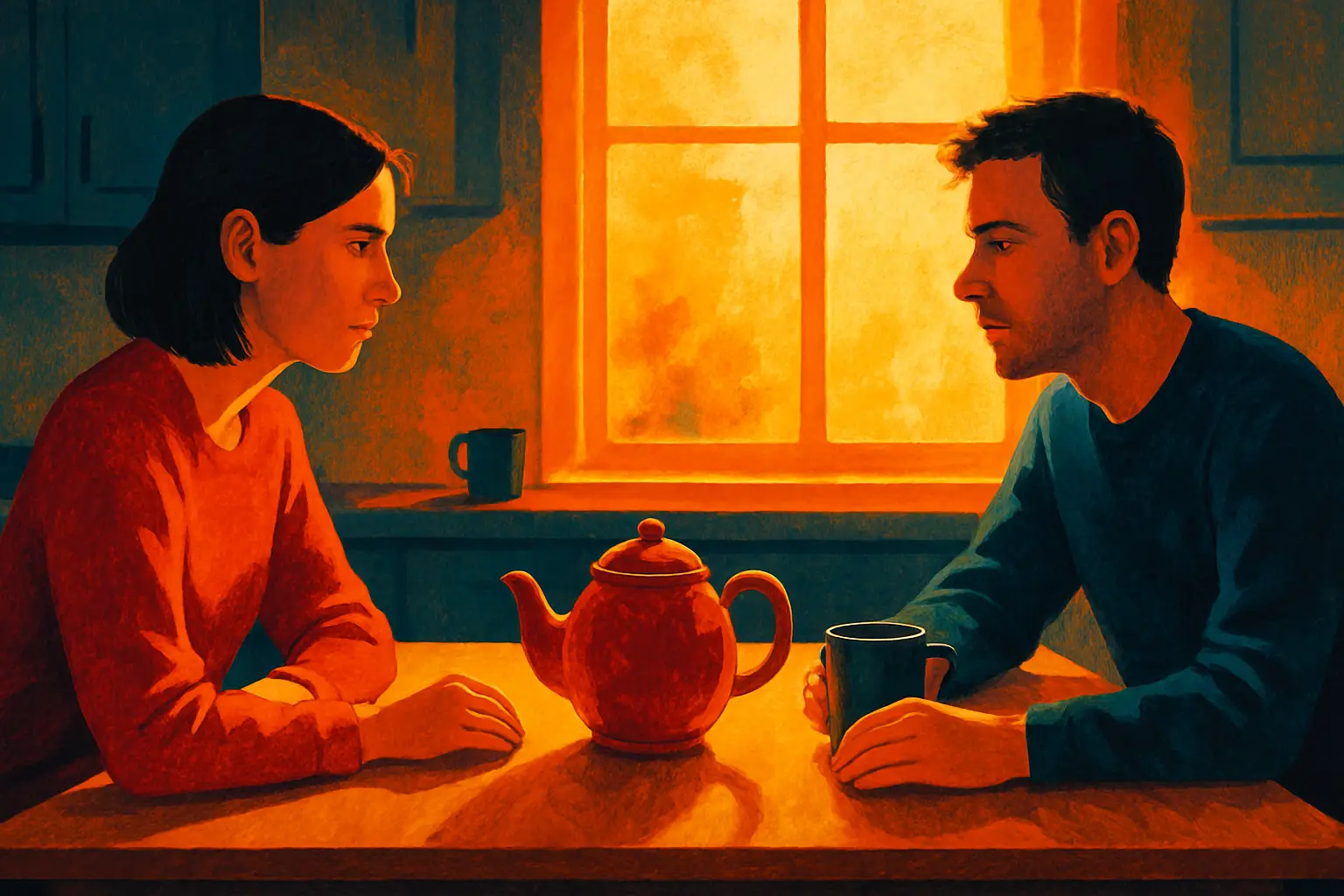
This difficulty is rooted partly in exposure. Within a family, our defences are lower and our habits more visible; we are seen at our worst as a matter of routine. A sharp word at the breakfast table, an unfair accusation born of exhaustion, a promise quietly abandoned — these small failures accumulate into a sediment of grievance that no brief, formulaic apology can easily dissolve. What is required, most psychologists would argue, is not simply the words "I'm sorry" but a demonstrable understanding of what the hurt actually consisted of. The distinction between acknowledging an act and acknowledging its effect on another person is subtle but decisive.

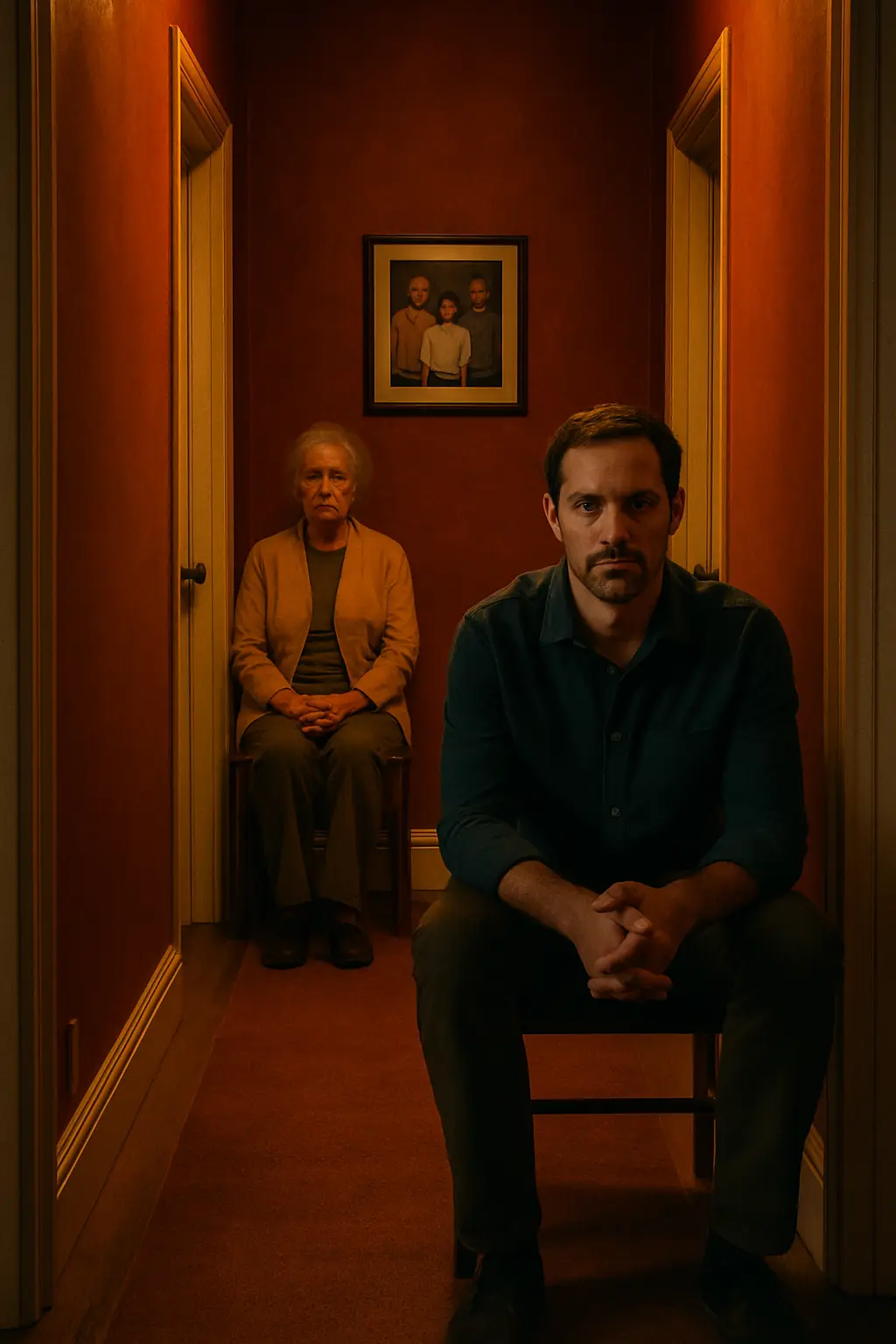
There is also the question of pride, which operates differently across generations. Parents who apologise unreservedly to their children risk feeling as though they are dismantling some necessary authority; adult children who say sorry to ageing parents may be contending simultaneously with old resentments that never found full expression. Siblings, meanwhile, carry the longest institutional memories of all, and an apology between brothers or sisters can dredge up ancient hierarchies of hurt that were presumed long settled. No other social unit holds quite so much unresolved history in quite so small a space.