The Slow Comeback of Night Trains in Europe
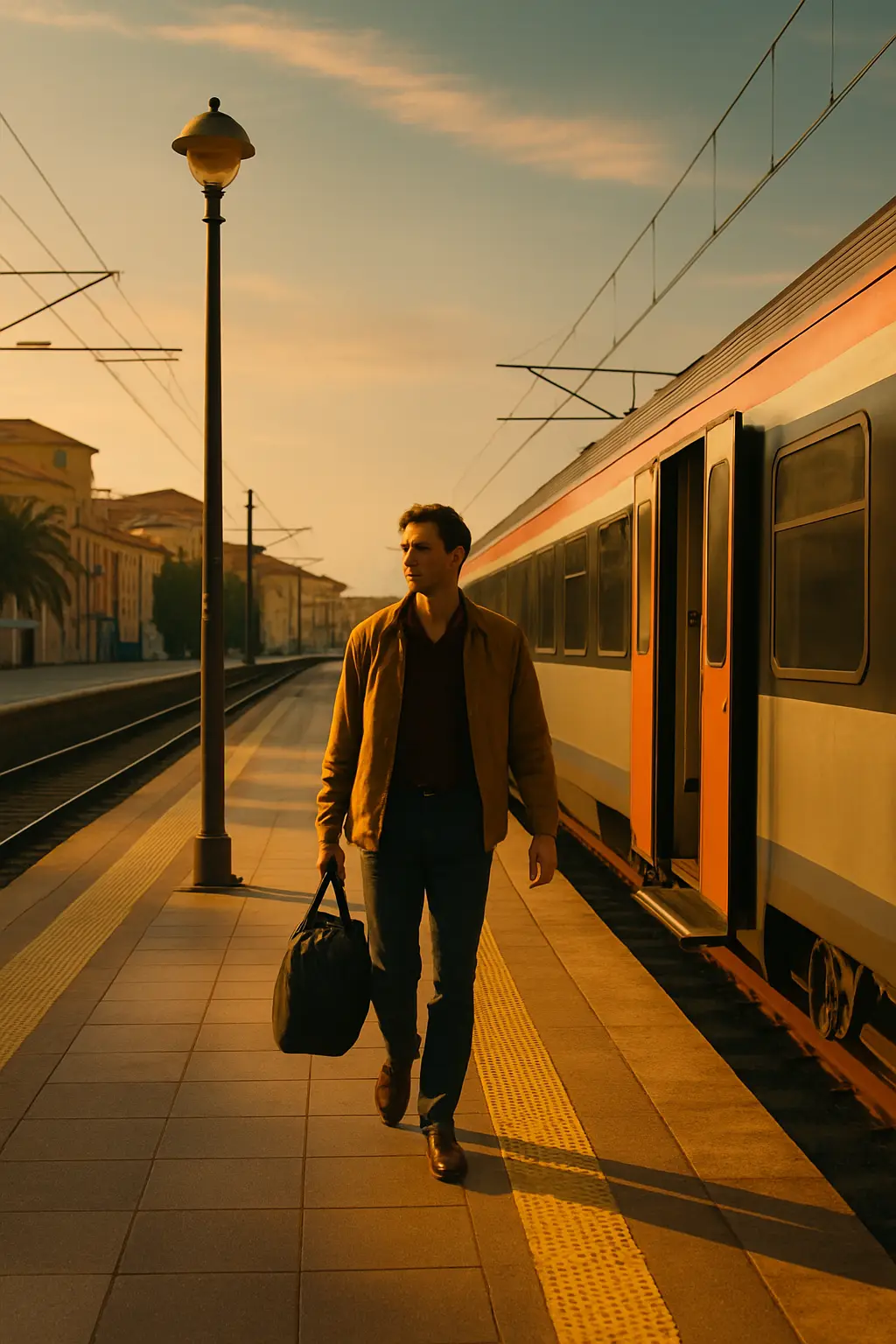
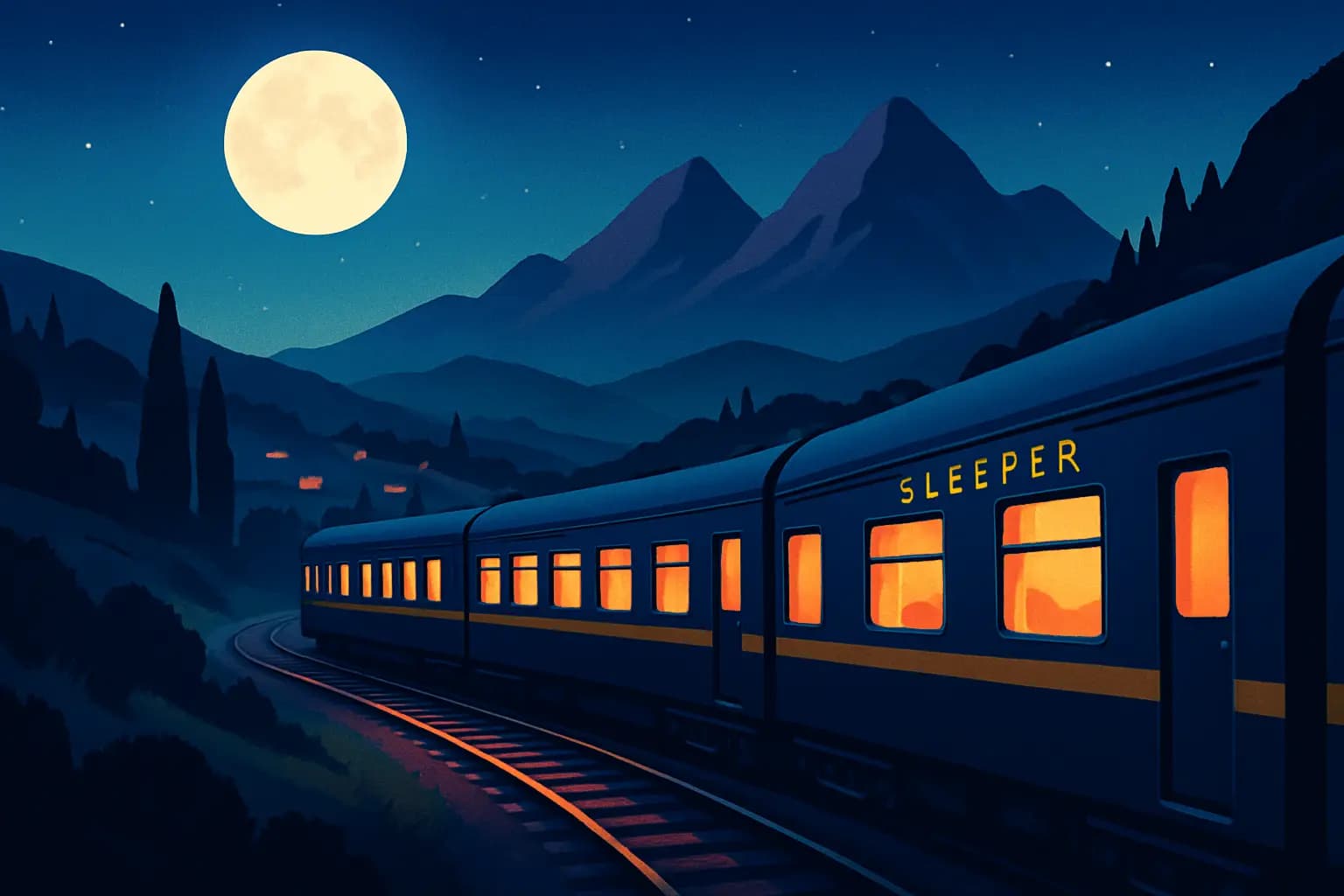
For much of the twentieth century, the overnight train was the default mode of long-distance travel across Europe. You boarded in one city at dusk, slept in a narrow bunk to the rhythm of the rails, and arrived refreshed — or at least upright — in another country by morning. Then, from the 1990s onwards, budget airlines dismantled that culture with ruthless efficiency, and the night train became something of a nostalgic curiosity: beloved in retrospect, barely used in practice.
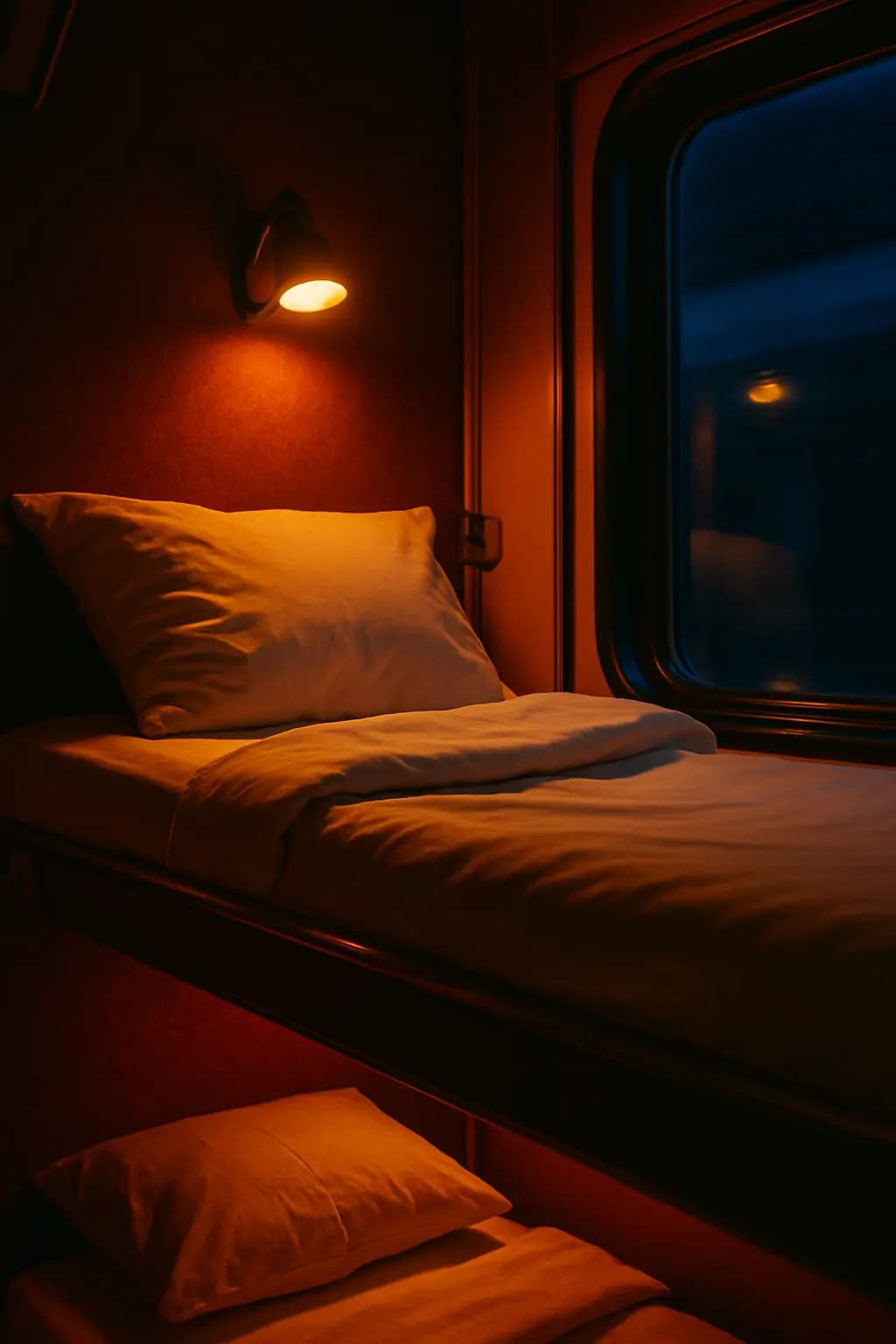
Yet something curious has happened in the past five years. Night trains are staging a genuine comeback, driven by a confluence of forces that few transport planners would have predicted a decade ago. The most visible of these is climate anxiety. As flying's carbon footprint has come under sustained public scrutiny, the overnight train — which produces a fraction of the emissions per passenger-kilometre — has been recast from a relic into a responsible choice. Austrian operator ÖBB has led the revival with its Nightjet network, adding routes and modernising its rolling stock, while state railways from Sweden to Portugal have announced expansions of their own.
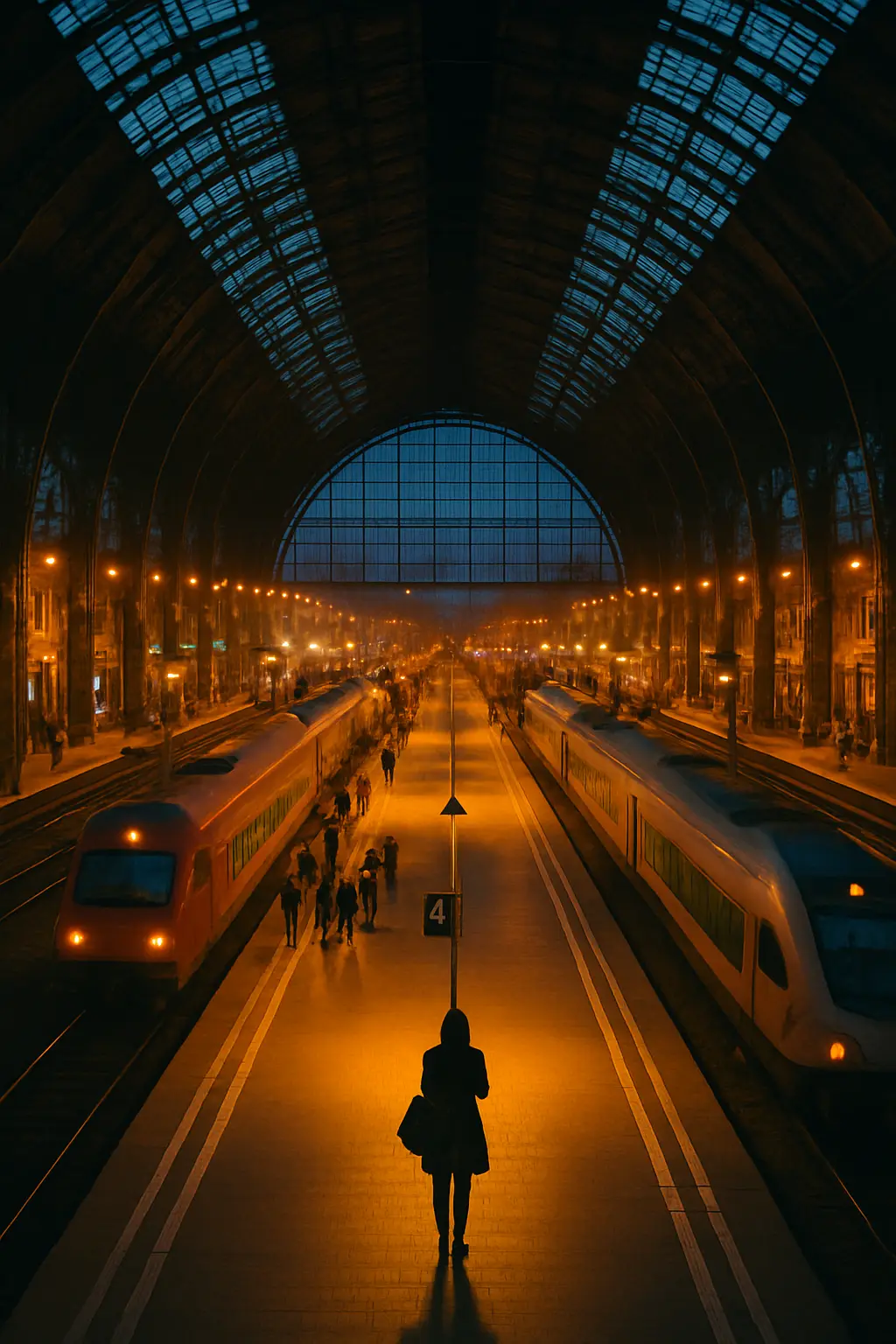
But environmental virtue alone rarely changes behaviour at scale. What has accelerated the trend is a subtler shift in how people conceive of travel time. The hours spent on a night train are not wasted hours: you sleep through them. Unlike the elaborate theatre of a short-haul flight — arriving two hours early, queuing, being herded through security, wedging yourself into a seat barely wide enough for a child — the night train collapses the gap between departure and arrival into something resembling a good night's rest. For business travellers especially, this is a compelling proposition: you surrender no productive daytime hours, and you arrive without the peculiar exhaustion that airports seem to manufacture.

Infrastructure, however, remains the stubborn bottleneck. Night trains share tracks with freight and commuter services, and since they tend to run at uneconomical hours when passenger volumes are low, they have historically been the first casualties of budget cuts. Harmonising ticketing across national rail operators — so that a passenger travelling from Amsterdam to Rome can book a single seamless journey rather than piecing it together from three separate websites — still requires a level of cross-border cooperation that European railways have been notoriously reluctant to embrace. The EU has recognised this, designating 2021 the Year of Rail and committing modest funds to cross-border coordination, though critics argue the ambition has so far outpaced the delivery.
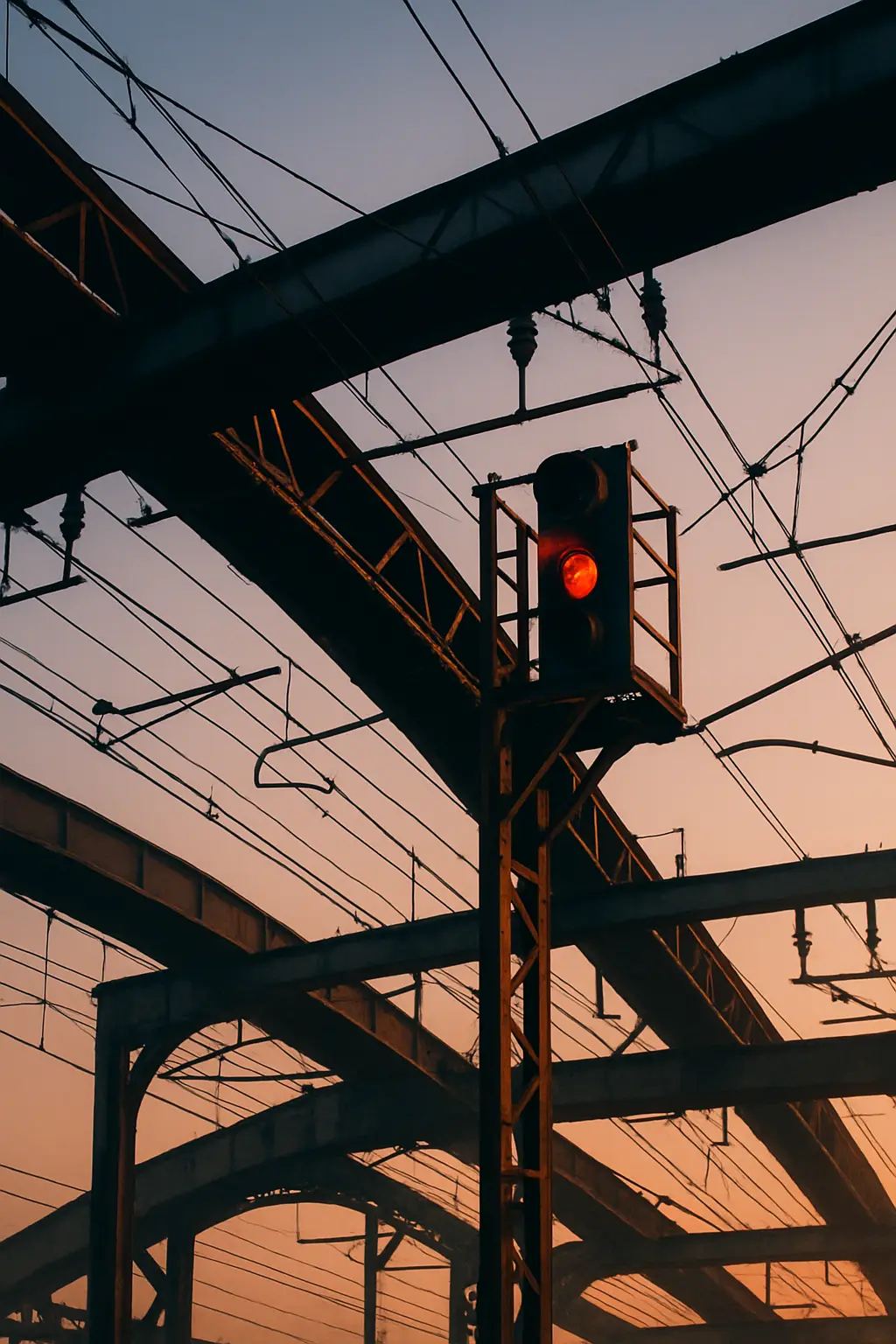
What makes the revival genuinely interesting is that it sits at the intersection of several long-running debates: about sustainable mobility, about the experience of travel versus the mere fact of transportation, and about the kind of infrastructure a society chooses to invest in. Night trains will not replace aviation. But they represent something increasingly rare in transport policy — a solution that is simultaneously slower, greener, and, for many people, more pleasurable. In an age of relentless optimisation, that particular combination might just be enough.