
The Unwritten Rules of Home: Why Household Routines Matter More Than You Think
Every household runs on a set of invisible agreements. Some are spoken aloud — who takes out the rubbish, who handles the bills — but most are never discussed at all. They emerge gradually, shaped by habit, personality, and compromise, until they feel so natural that nobody questions them. These unspoken routines are, in many ways, the architecture of domestic life.
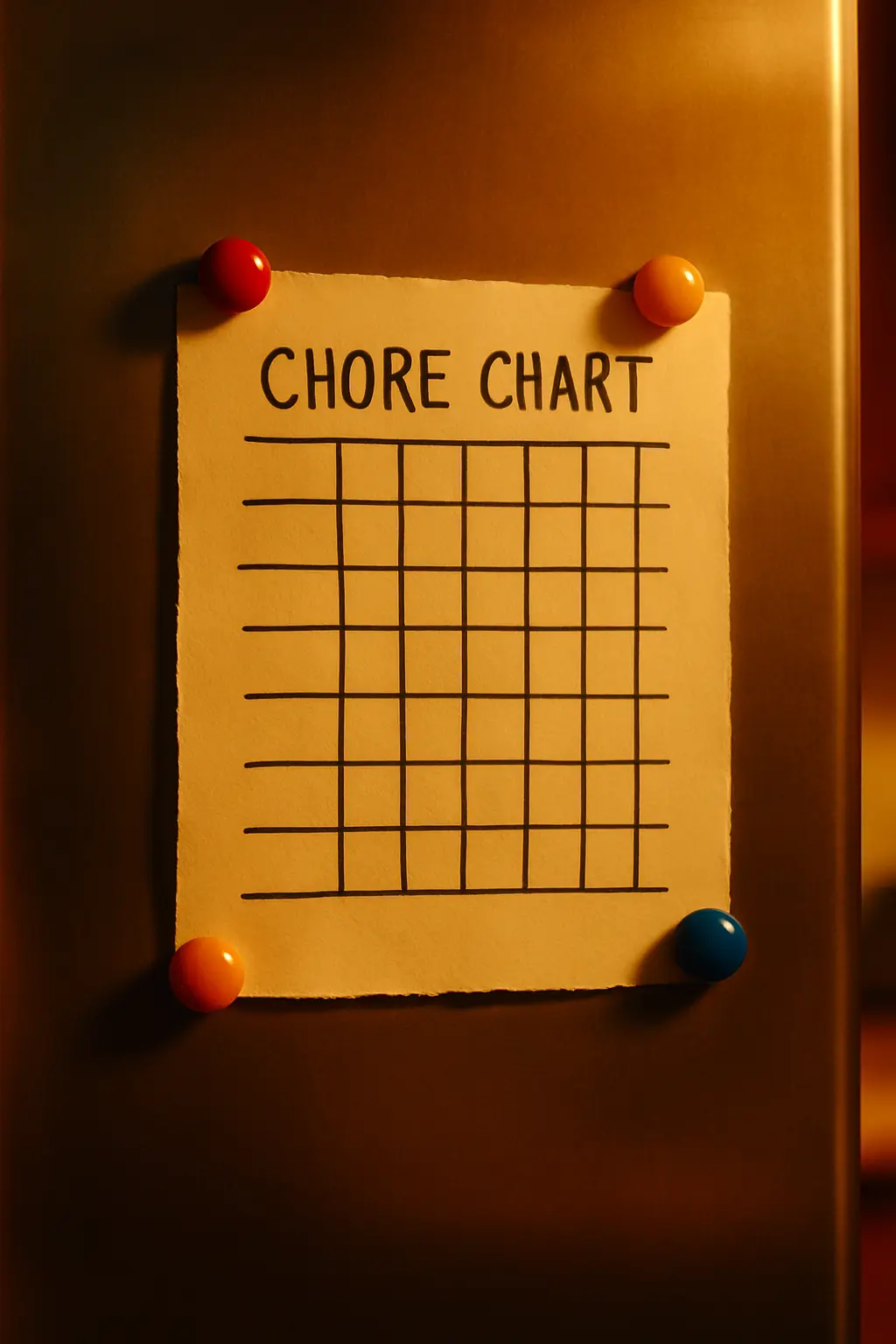
Psychologists who study family dynamics suggest that predictable household routines offer far more than mere convenience. Children raised in homes with consistent daily rhythms — regular mealtimes, bedtime rituals, shared chores — tend to develop stronger emotional regulation and a greater sense of security. The routine itself becomes a form of reassurance: the world outside may be unpredictable, but the home operates on familiar, dependable terms. Adults benefit too, though they are often less willing to admit it. Knowing that certain things happen at certain times reduces the cognitive load of daily decision-making, freeing mental energy for more demanding tasks.

Yet routines are not without their tensions. When people from different backgrounds or family cultures move in together, their assumptions about how a home should function can clash dramatically. One person's sensible system is another's arbitrary imposition. Negotiating these differences requires not just compromise, but a genuine willingness to examine why you do things the way you do — and whether those reasons still hold. Many couples and housemates report that arguments ostensibly about dirty dishes or washing rotas are rarely about the dishes at all. They are, at root, disputes about respect, fairness, and whose version of normality gets to prevail.
Perhaps the most important insight is this: a household routine is never truly fixed. It should be revisited as circumstances change — when children grow older, when work patterns shift, when someone's needs evolve. Treating routines as permanent and non-negotiable is a recipe for quiet resentment. Treating them as living agreements, open to revision and honest conversation, is one of the more underappreciated foundations of a harmonious home.