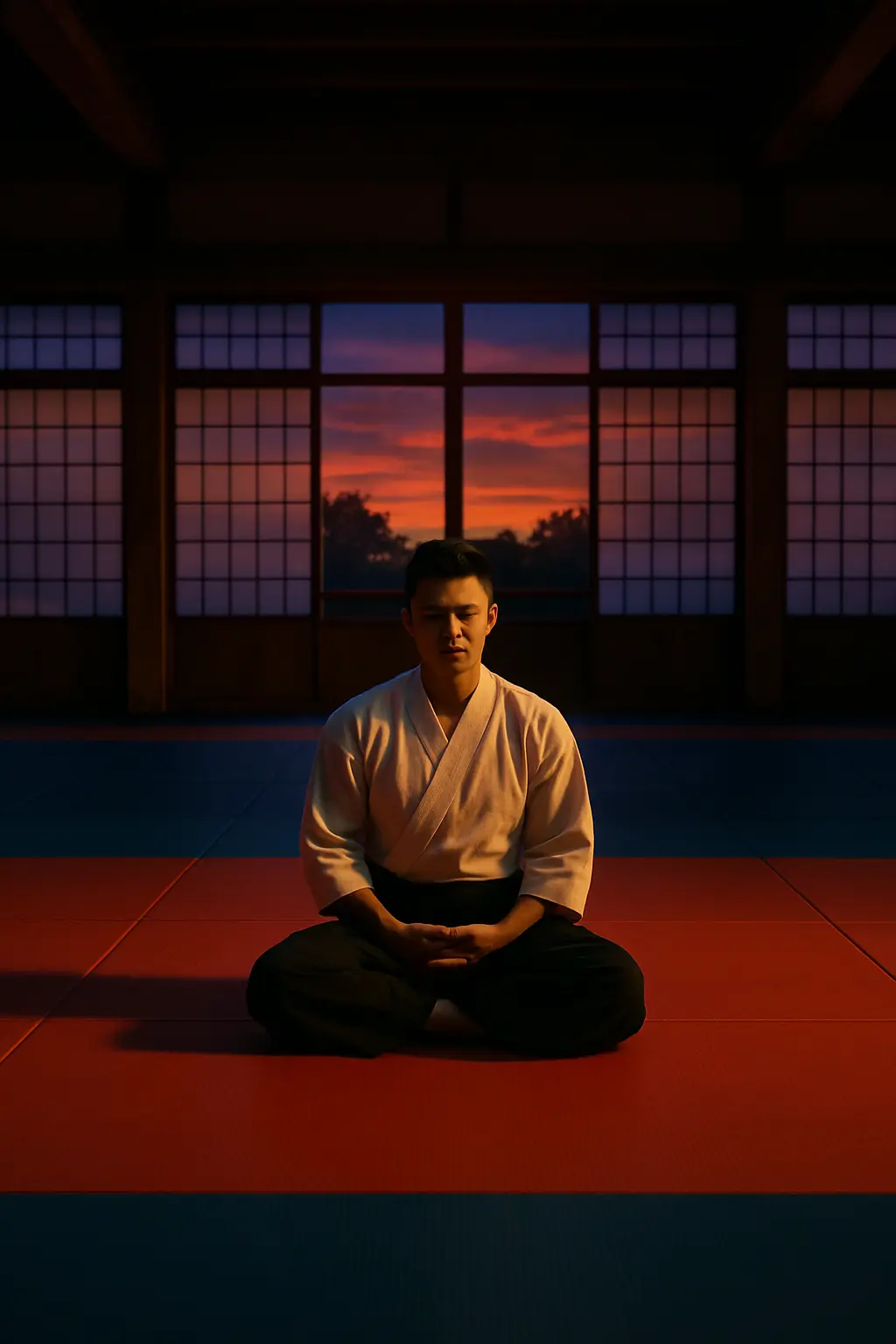
Why Combat Sports Demand More Than Physical Strength
When most people think of boxing, wrestling, or martial arts, they picture raw power — a fighter who can hit harder, move faster, or endure more punishment than their opponent. Yet athletes and coaches who have spent years inside the gym will tell you that physical prowess, while necessary, is only one component of elite performance. What separates a competent fighter from an exceptional one is, more often than not, what happens above the shoulders.

Combat sports require a level of real-time problem-solving that few other disciplines can match. Within the span of a single exchange — sometimes just a few seconds — a fighter must read their opponent's posture, anticipate the next movement, suppress the instinct to flinch, and execute a precise response. Neurologists have compared this cognitive load to playing speed chess while being physically threatened. The ability to remain composed under that kind of pressure is not an innate gift; it is a skill cultivated through thousands of repetitions and, crucially, through deliberate exposure to discomfort during training.

There is also a psychological dimension that rarely makes it into mainstream coverage of the sport. Fighters frequently describe the experience of stepping into a ring or onto a mat as a form of enforced self-knowledge. Deception is impossible: fear, hesitation, and overconfidence all manifest physically and are immediately exploited by a skilled opponent. Many practitioners argue that this radical transparency is precisely what makes combat sports valuable beyond mere competition. Learning to manage one's internal state — to breathe steadily when adrenaline is surging, to think clearly when every instinct screams retreat — translates into measurable resilience in everyday life.