The Inner Life of Coral Reefs: Cities Beneath the Waves
Coral reefs occupy less than one percent of the ocean floor, yet they shelter roughly a quarter of all known marine species. This staggering disproportion has led ecologists to describe them as the rainforests of the sea — a comparison that captures both their biological density and the acute anxiety surrounding their survival. To drift above a healthy reef is to witness something that defies easy categorisation: it is architecture, it is ecology, and it is something that looks, with uncomfortable persuasiveness, like a society.
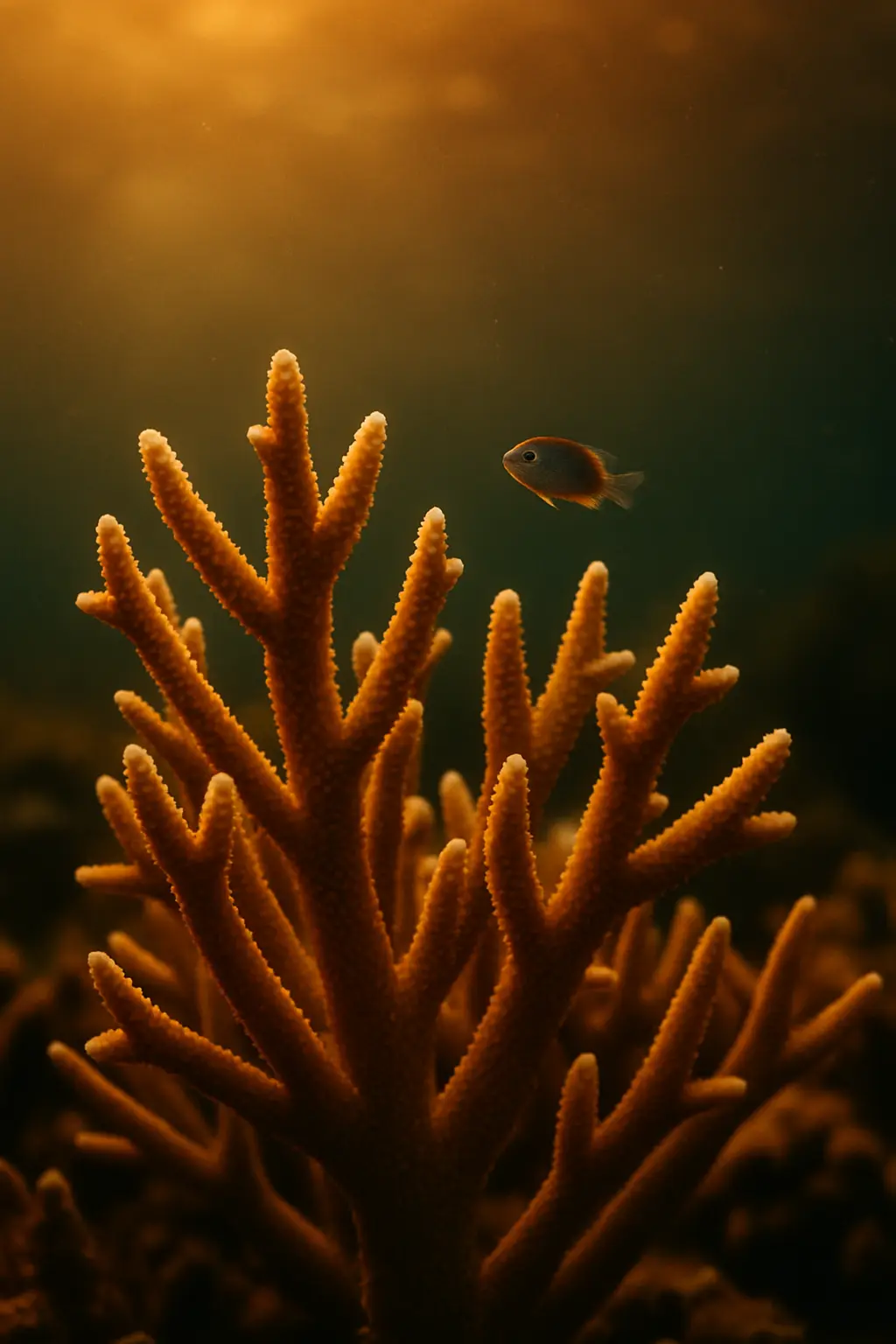
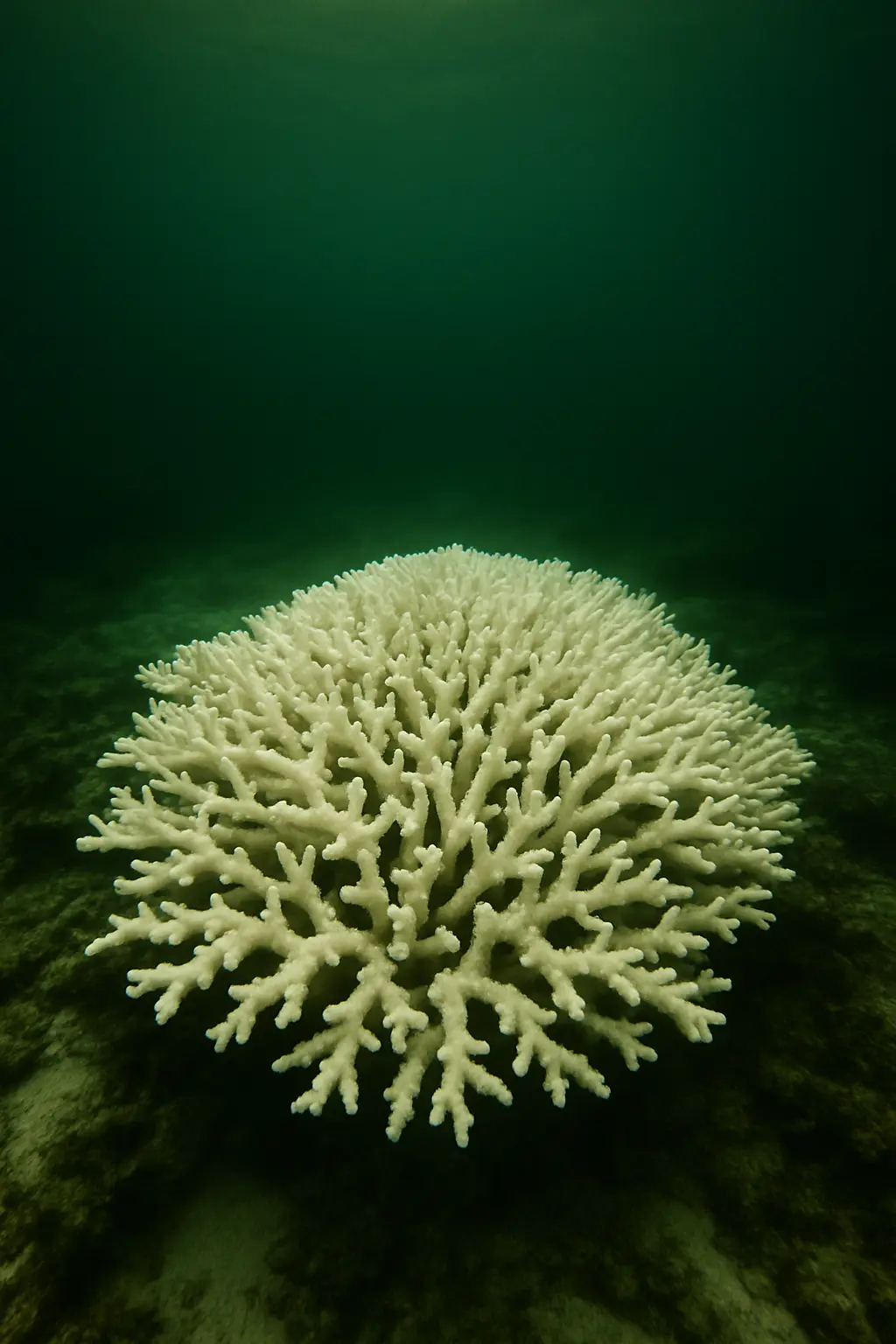
The reef itself is not rock. It is the accumulated skeletal remains of colonial animals called coral polyps, each no larger than a fingernail, which extract calcium carbonate from seawater to construct the limestone structures we recognise as coral. These polyps live in an intimate symbiosis with photosynthetic algae known as zooxanthellae, which reside within their tissues and supply up to ninety percent of the polyp's energy through photosynthesis. The relationship is exquisitely calibrated: when water temperatures rise beyond a narrow threshold, the polyp expels its algae in a stress response. Without them, it slowly starves and bleaches to a ghostly white. What looks, from a distance, like a serene underwater garden is, at the cellular level, a system perpetually balancing on a knife's edge.
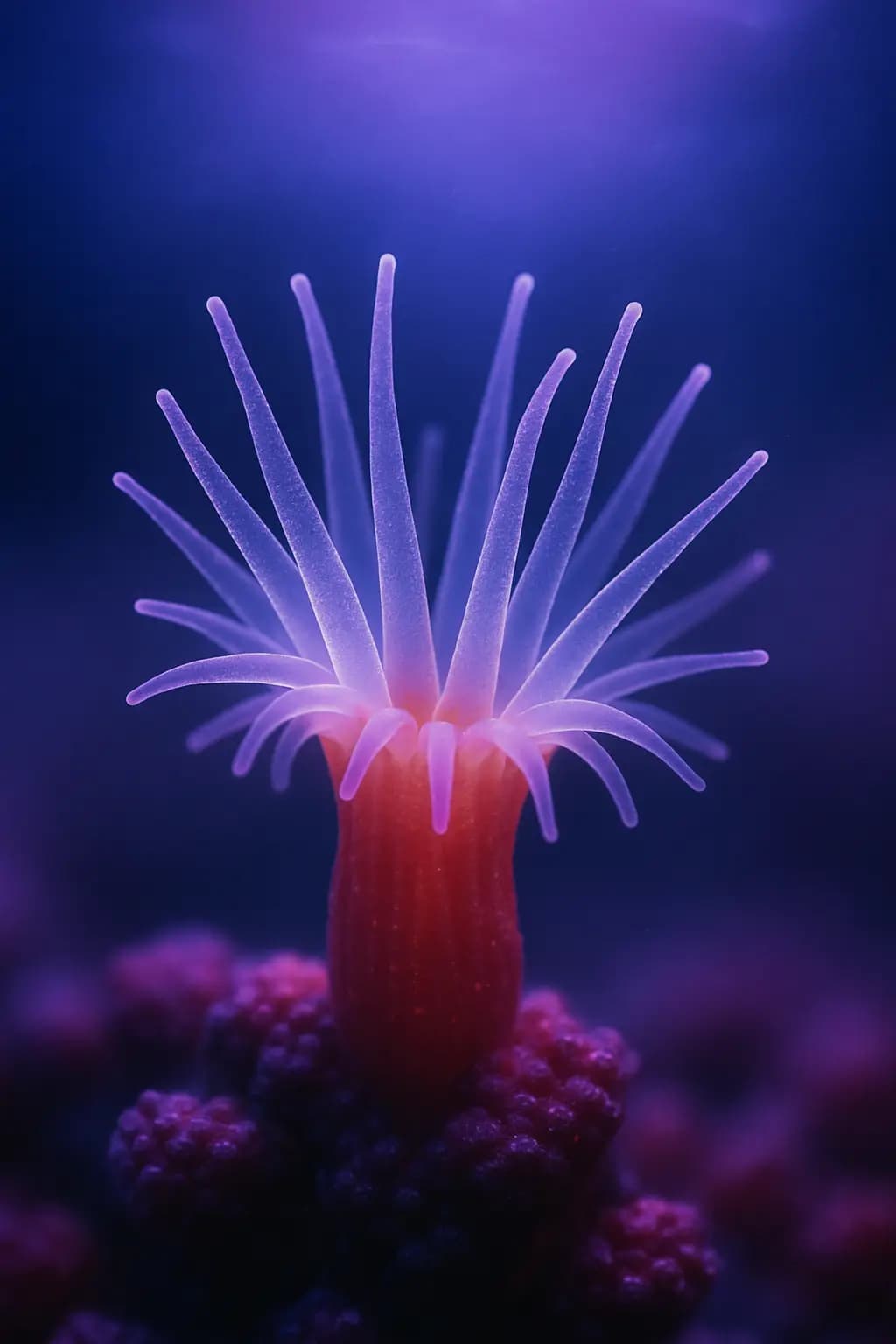
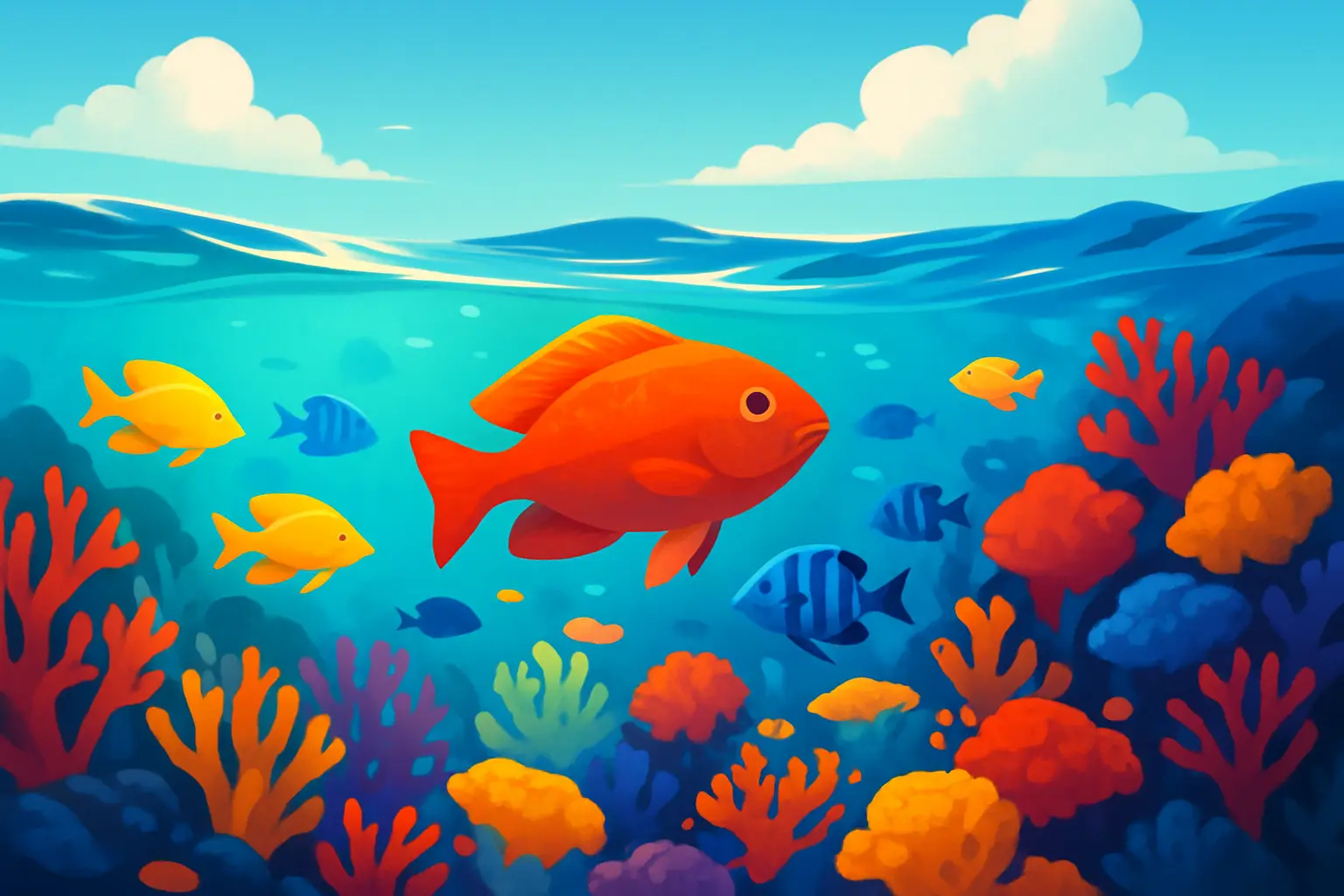
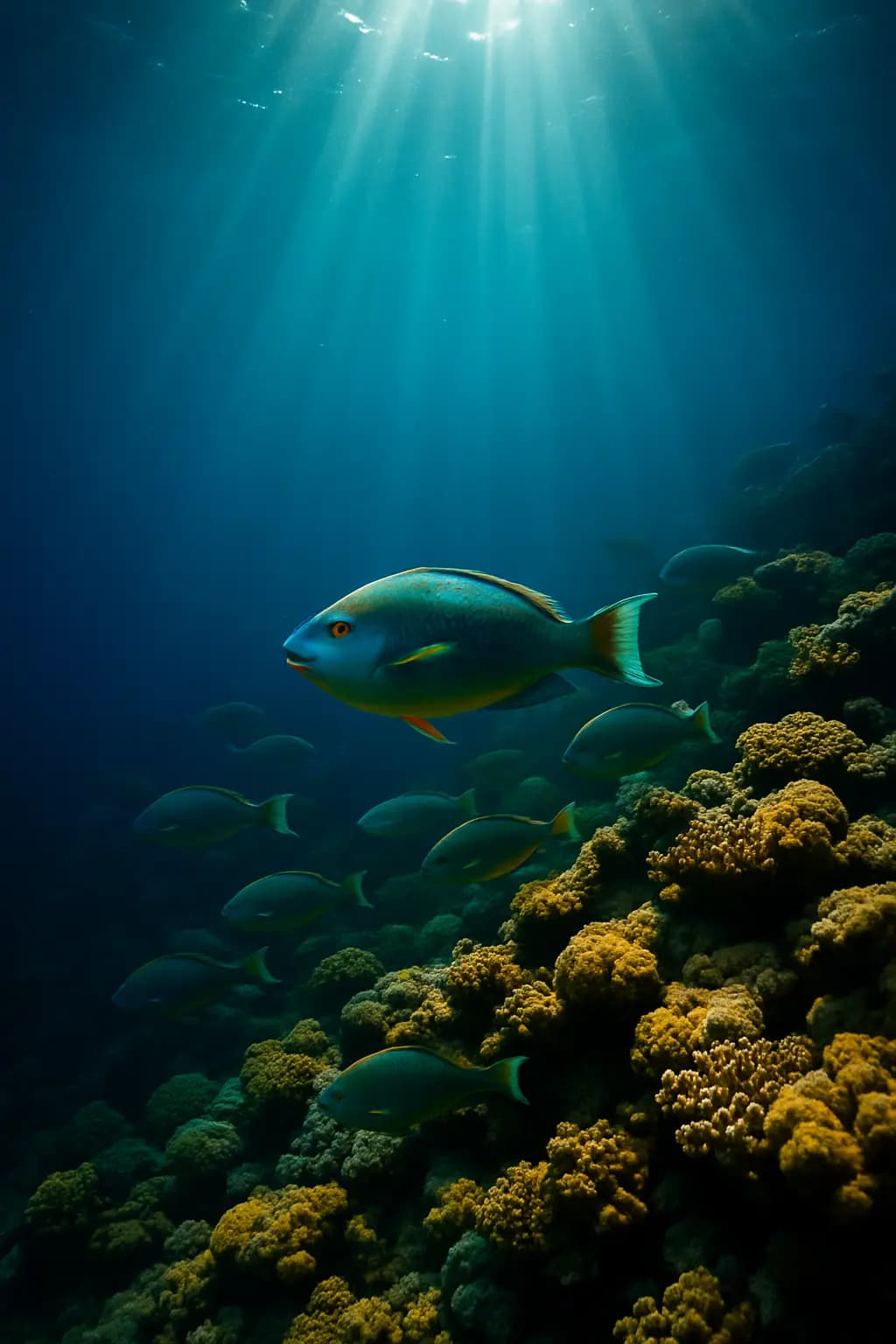
What makes reefs genuinely remarkable, however, is not merely their fragility but their complexity. Fish species have carved out ecological niches so precise they defy intuition — cleaner wrasse, for instance, operate what amount to grooming stations where larger predatory fish queue patiently to have parasites removed, suspending their predatory instincts in the service of mutual benefit. Parrotfish graze on algae and dead coral, grinding limestone into the fine white sand that beaches are largely composed of. Remove any one of these actors and the reef's equilibrium shifts in ways that can cascade unpredictably through the entire system.
Human pressure on reefs has intensified on multiple fronts simultaneously. Warming oceans driven by climate change trigger bleaching events of increasing frequency and severity; agricultural runoff introduces nutrients that favour algal overgrowth, smothering corals; coastal development destroys the seagrass beds and mangroves that buffer reefs against storm damage and serve as nurseries for juvenile fish. The stresses compound one another, and reefs weakened by one threat become disproportionately vulnerable to the next.
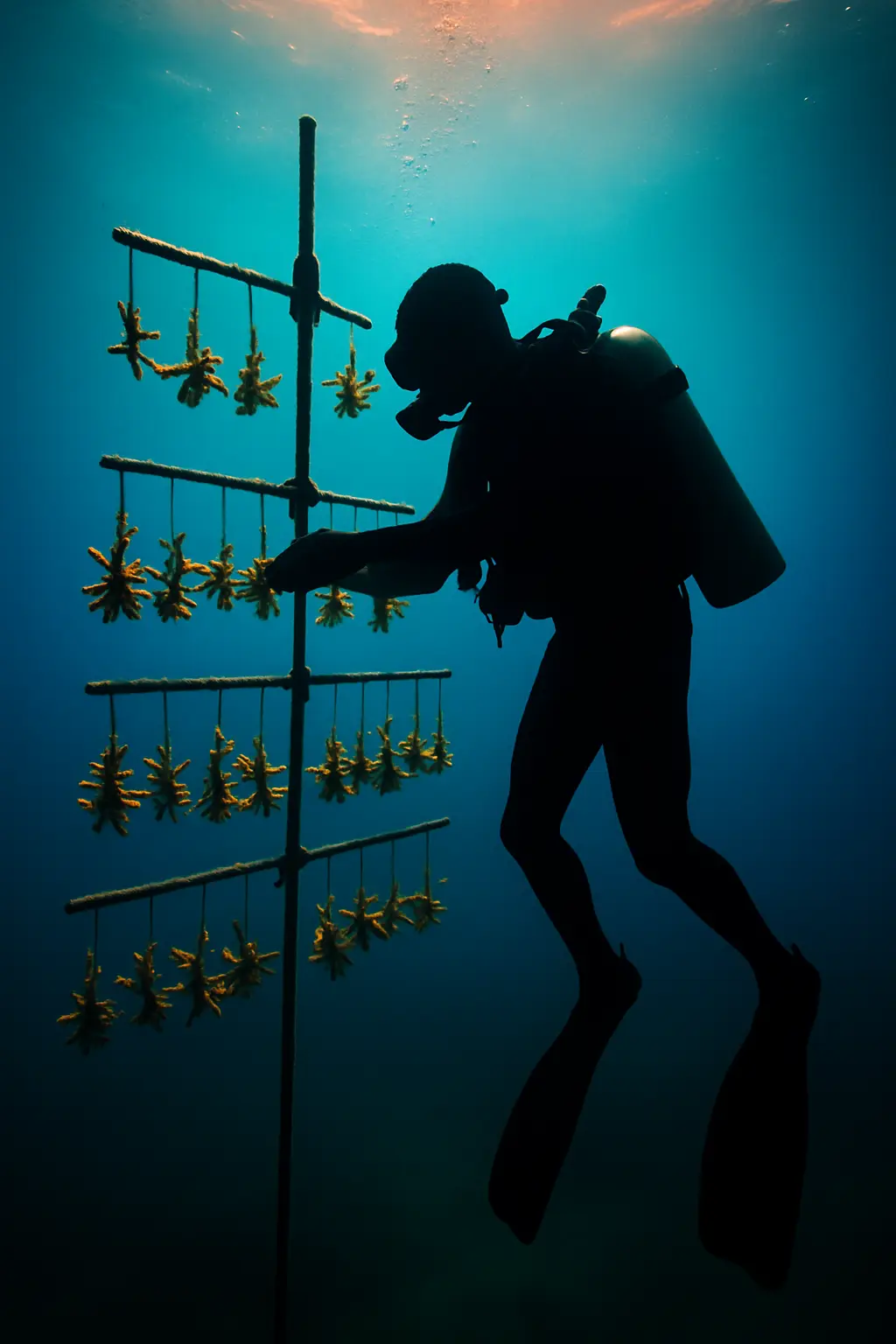
Yet there is cautious reason to resist despair. Certain reef systems have demonstrated a capacity for recovery when human pressures are reduced. Marine protected areas, where fishing is restricted and run-off controlled, have produced measurable gains in both coral cover and fish biomass. Scientists are also pioneering coral gardening — growing heat-tolerant coral fragments in underwater nurseries and transplanting them onto degraded reefs. These interventions are not a substitute for addressing the underlying drivers of reef decline, but they suggest that, given the right conditions, resilience is not simply a memory. The reef, like the polyp, is still reaching toward the light.