Rewilding: Can Nature Heal Itself If We Let It?
For most of modern history, conservation has meant preservation — fencing off what remains, carefully managing wildlife populations, and keeping human interference to a minimum. But a growing movement is questioning whether this defensive crouch is enough. Rewilding, the practice of restoring ecosystems by reintroducing lost species and stepping back from intensive land management, argues that nature does not simply need protection; it needs the freedom to recover on its own terms.

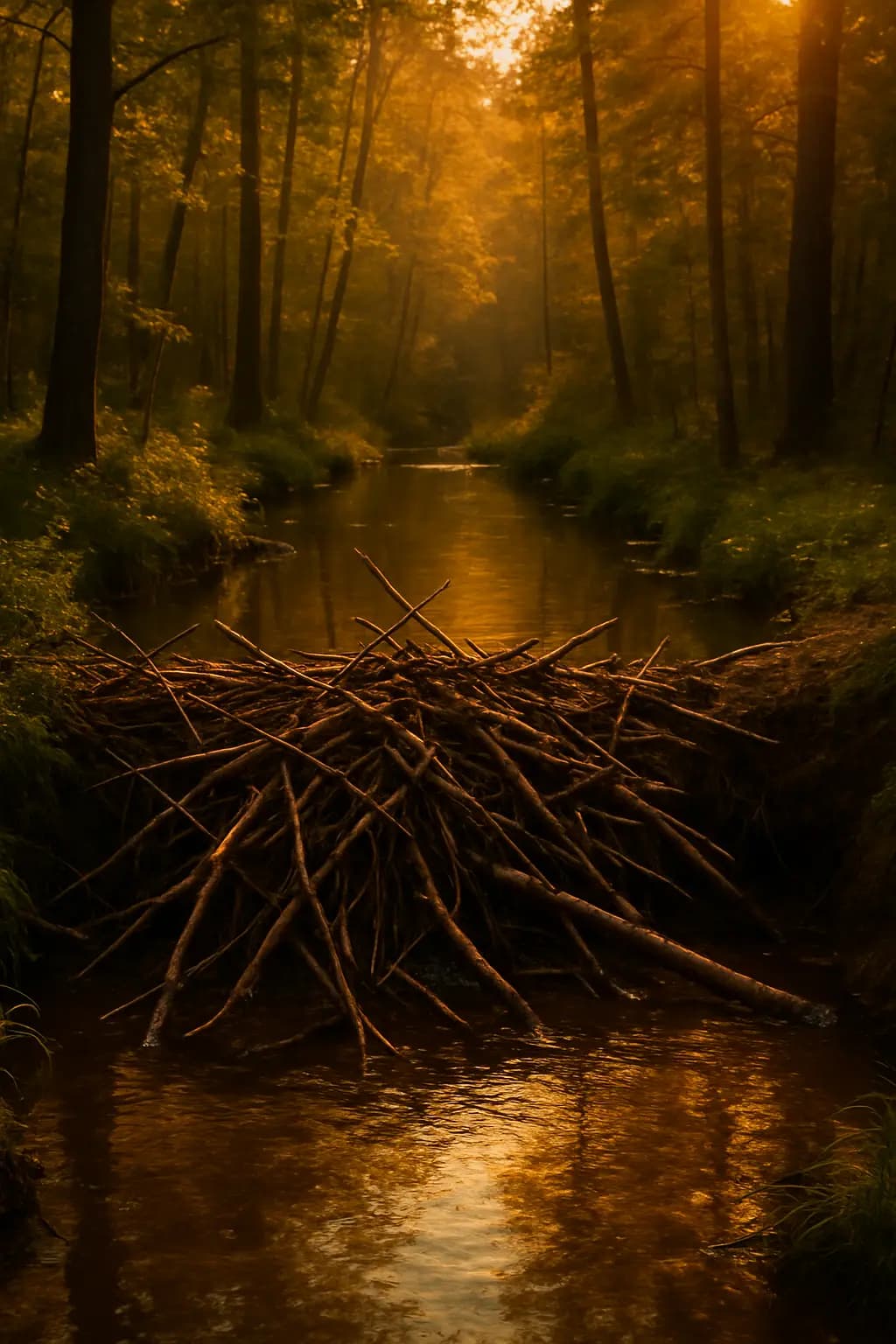
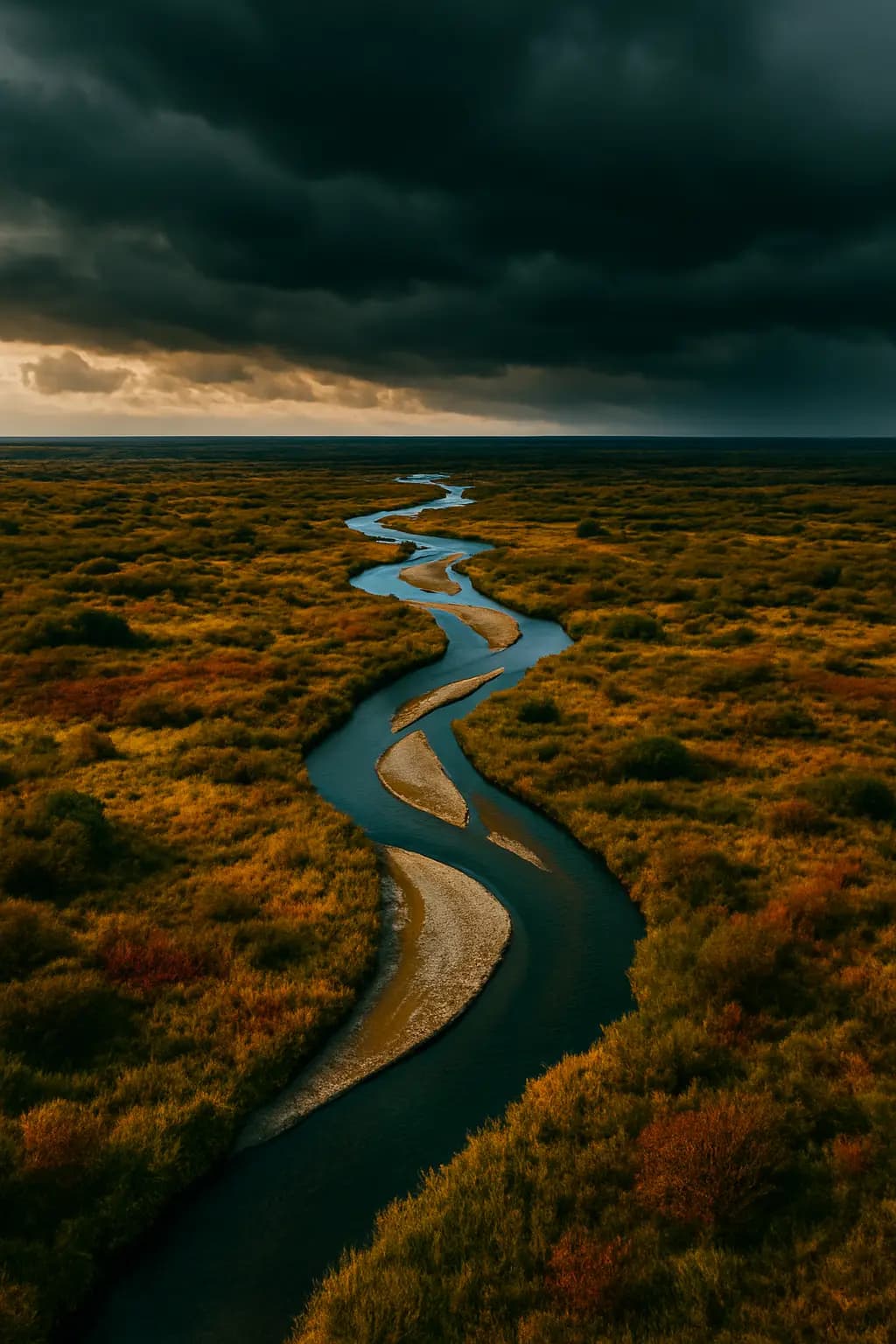
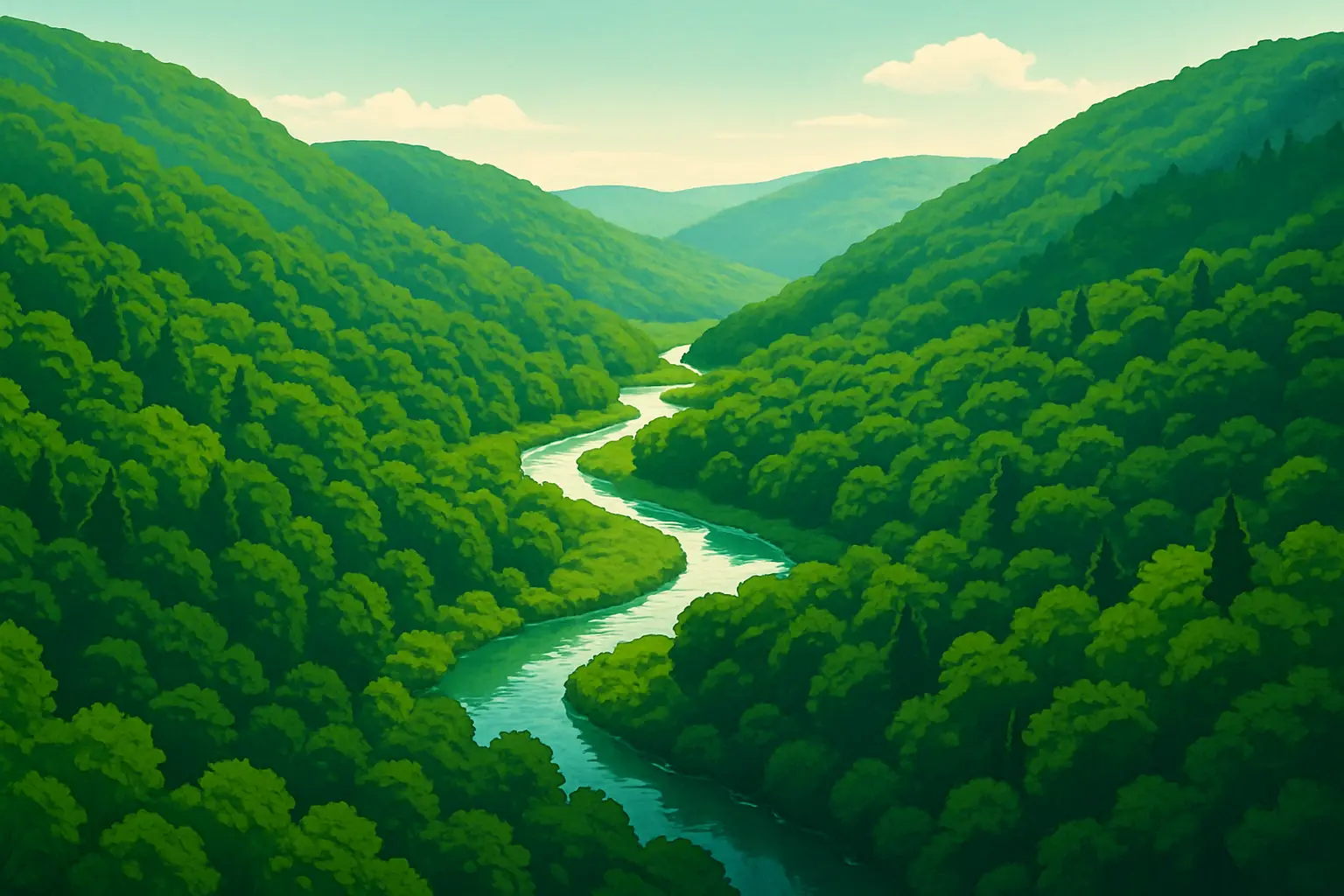
The logic is rooted in the concept of trophic cascades — the chain reactions that ripple through an ecosystem when a key species is present or absent. The reintroduction of wolves to Yellowstone National Park in the United States is perhaps the most cited example. Without wolves, elk had grazed river banks bare, causing erosion and destabilising waterways. With wolves back in the landscape, elk altered their grazing behaviour, vegetation recovered along riverbanks, and the physical course of rivers began to shift. One predator had, in a sense, changed the shape of the land. Similar logic underpins rewilding projects across Europe, from lynx programmes in Scotland to beaver releases in the English West Country, where the reintroduction of dam-building rodents has dramatically reduced downstream flooding and improved water quality.
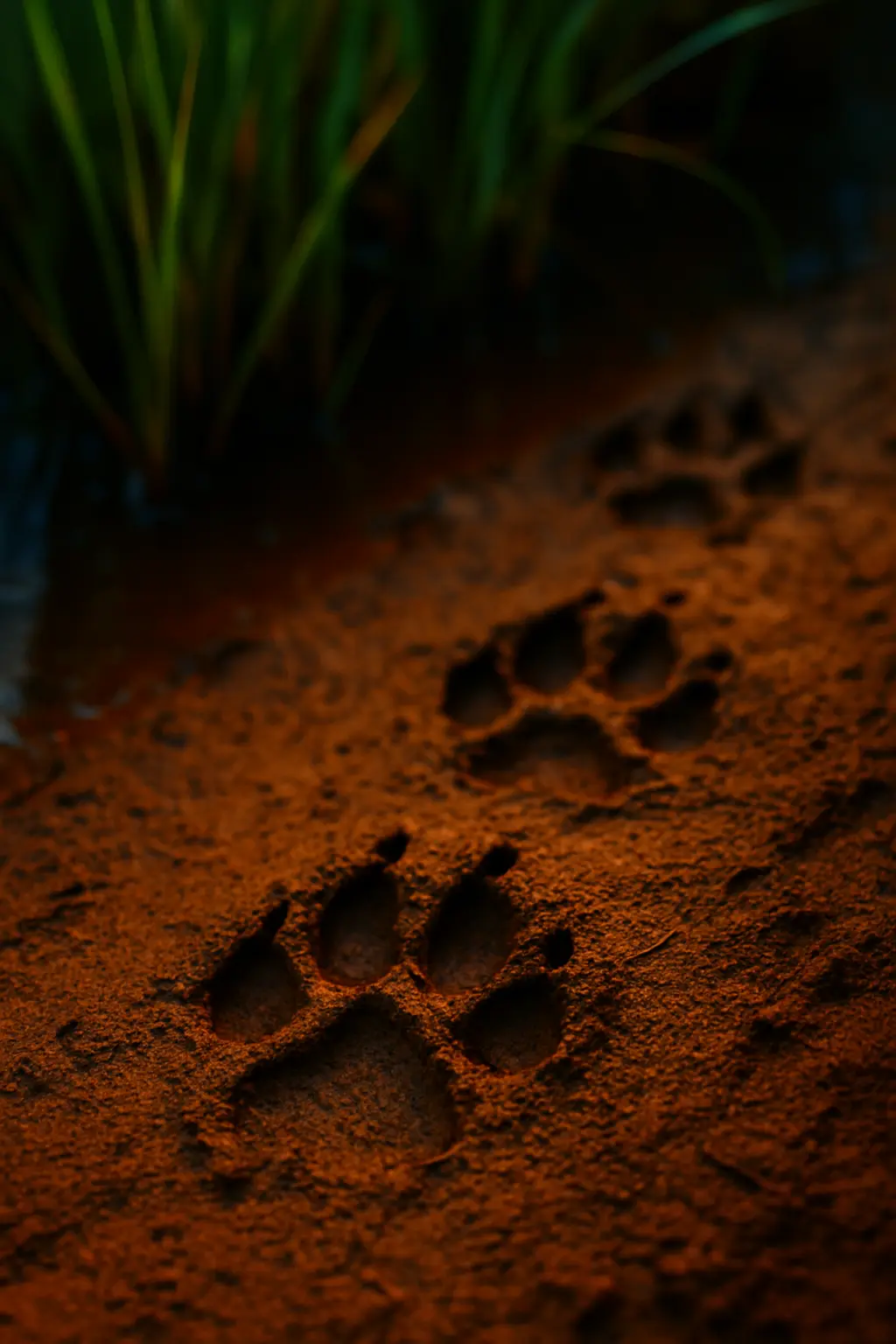
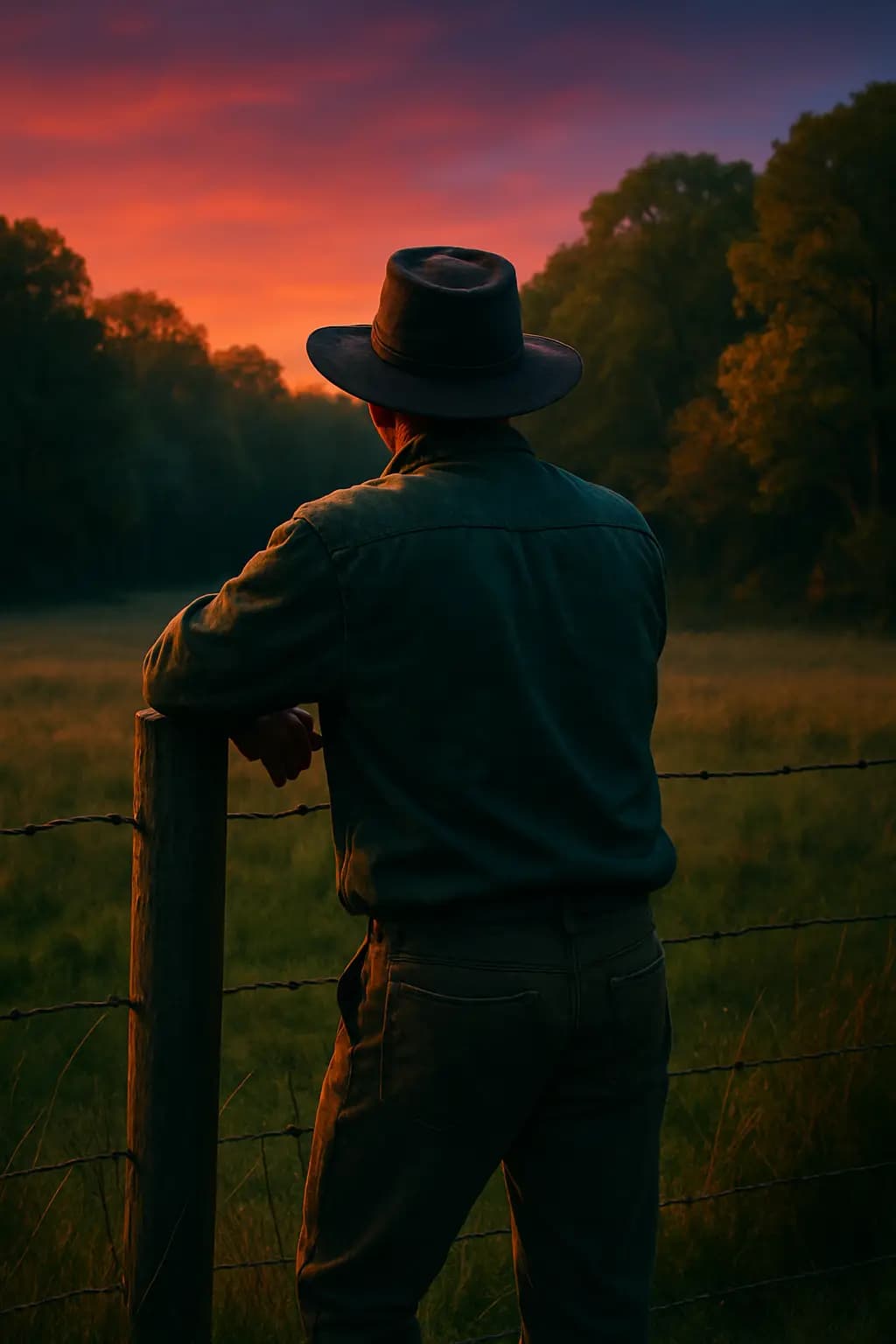
Critics raise legitimate concerns. Farmers whose livelihoods depend on predictable land use are understandably wary of apex predators and semi-wild landscapes expanding into agricultural areas. Indigenous and rural communities sometimes feel excluded from decisions made by urban conservationists with a romanticised vision of wilderness. There is also the question of which historical baseline we are aiming to restore: ecosystems are dynamic, not static, and the version of nature we choose to target reflects cultural assumptions as much as ecological ones.