The Footnote That Changed Everything: How Marginalia Shaped Literary History
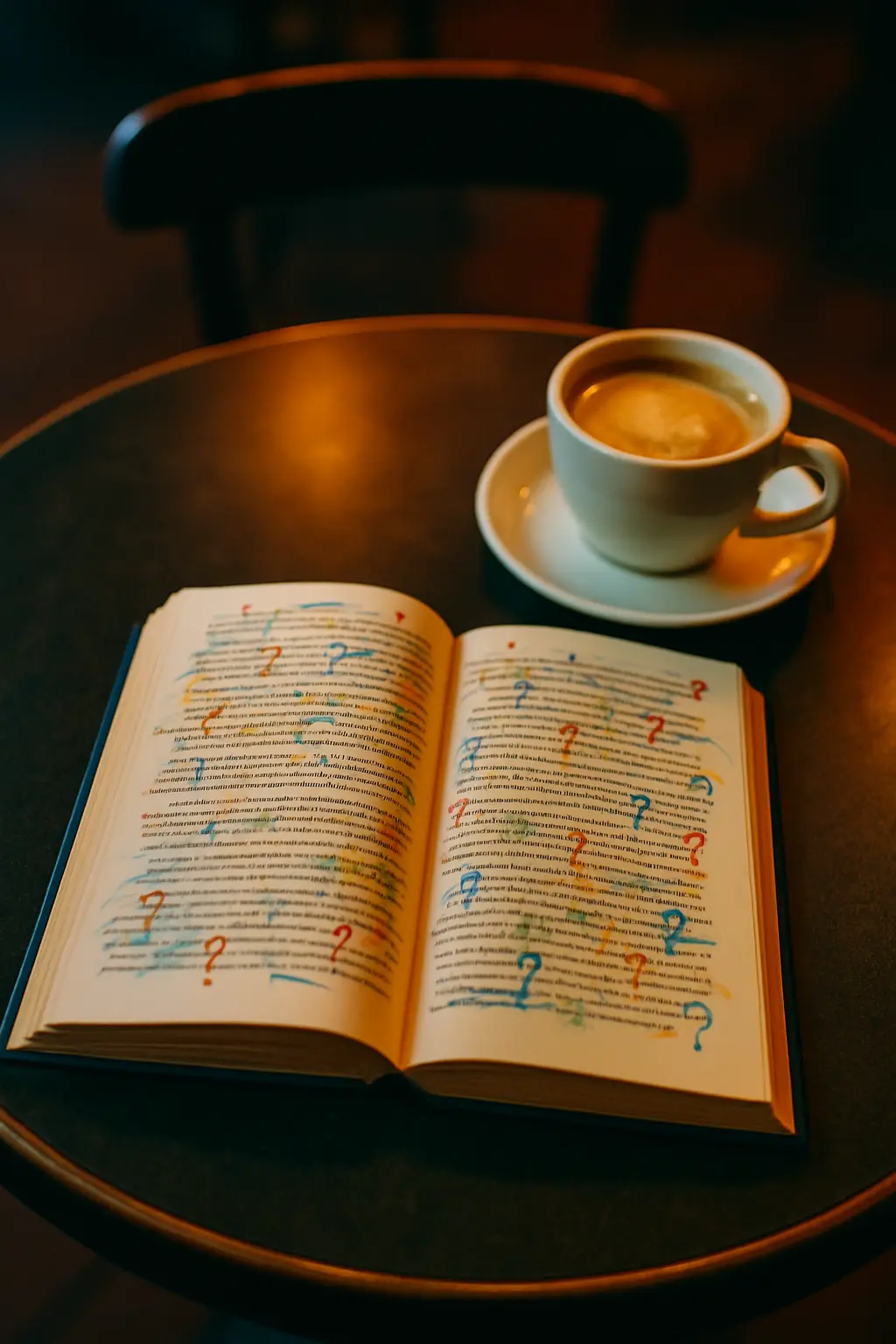
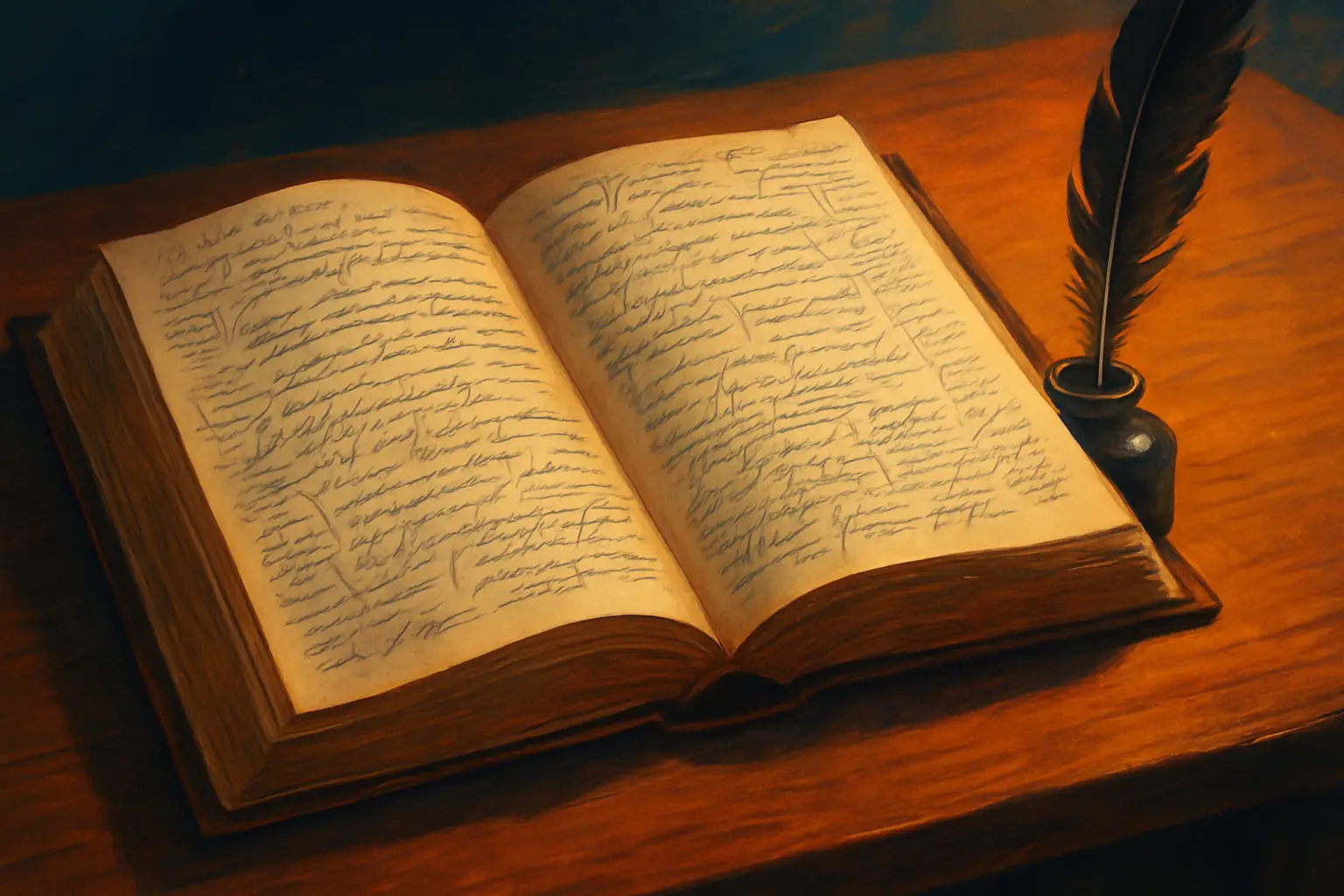
There is a peculiar intimacy to discovering another reader's handwriting in the margins of an old book. A faint pencil query beside a disputed passage, an exclamation mark crowding a famous line, a name scrawled at the foot of a page — these marks collapse the distance between centuries and remind us that reading has never been a purely solitary act. Marginalia, the collective noun for annotations made in the borders of manuscripts and printed texts, occupy a fascinating and underappreciated corner of literary history.
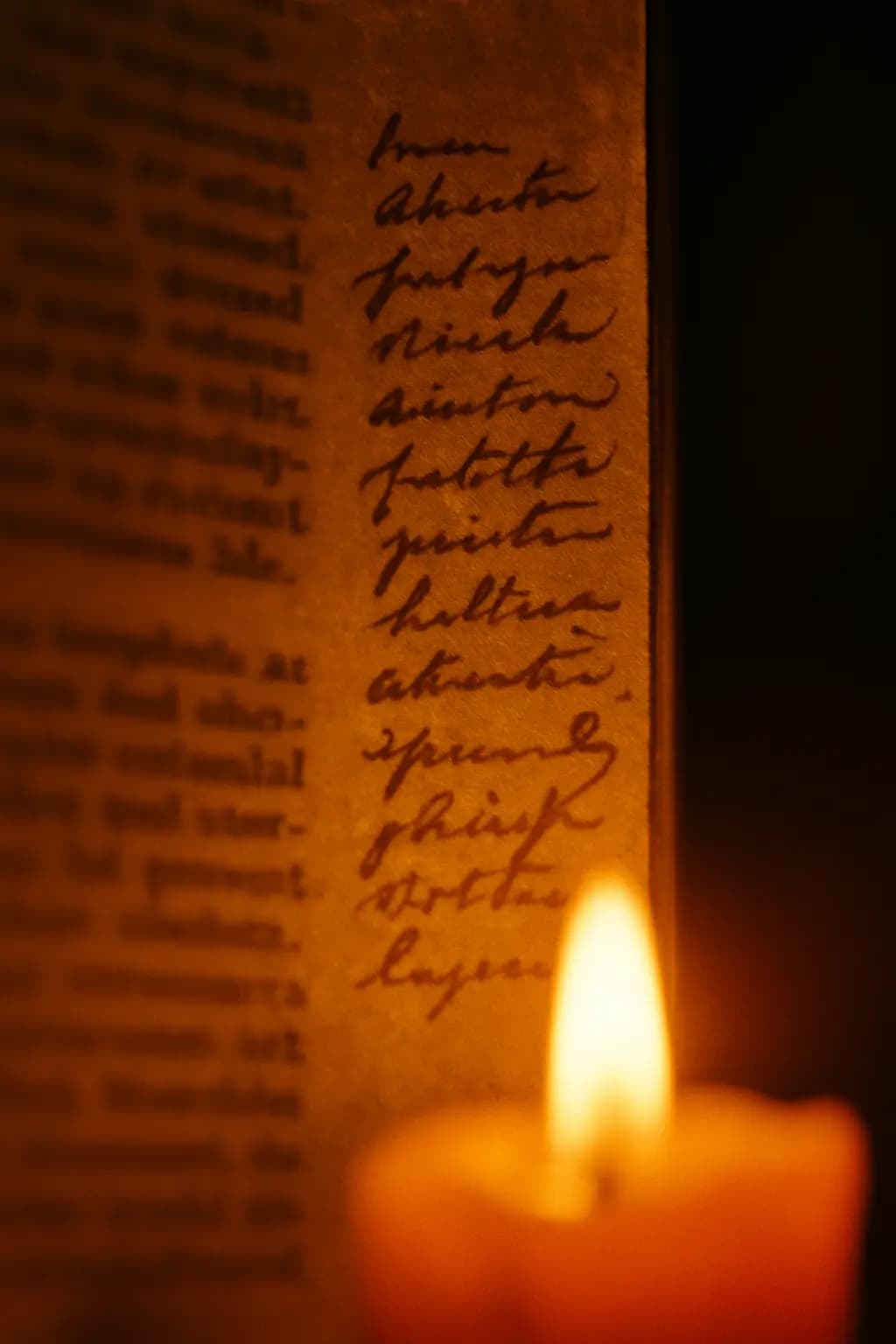
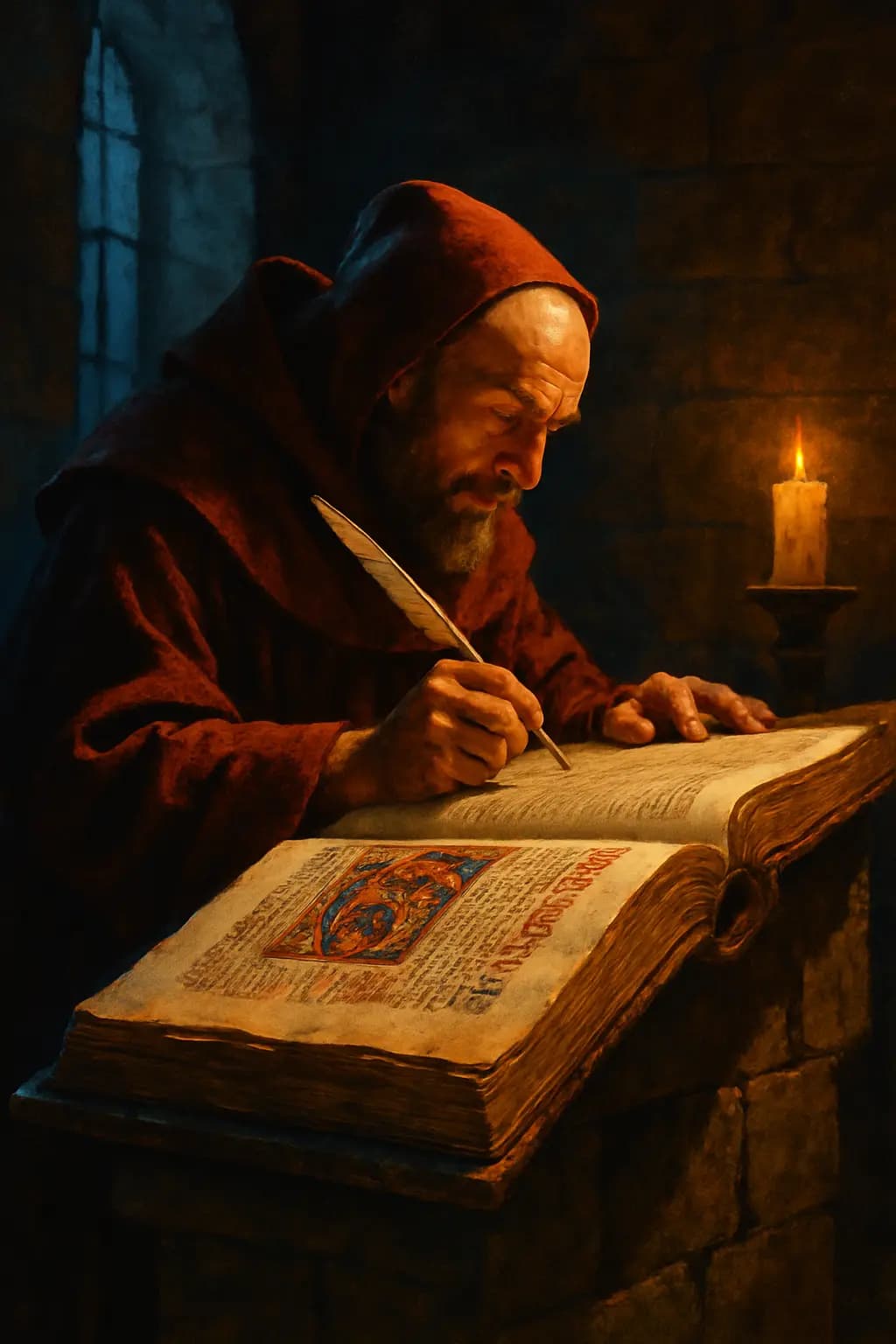
For most of the Western canon's long life, margin-writing was not merely tolerated but expected. Medieval scholars treated blank parchment around a sacred text as intellectual real estate, filling it with glosses, cross-references, and vigorous disagreements with the author. The habit carried forward into the early modern period: Renaissance humanists like Erasmus and Montaigne annotated voraciously, viewing the margins as a space in which a reader could think aloud, argue back, and ultimately co-author meaning. To read without a pen in hand was, in some quarters, considered a passive and therefore inferior act.
The practice produced consequences that extend well beyond personal record-keeping. When scholars study the surviving copies of books owned by great writers, the marginalia become primary evidence — sometimes overturning received wisdom about intellectual debts and influences. Samuel Taylor Coleridge was so prolific and so theatrically argumentative in the margins that his annotations have been published as a stand-alone literary corpus. Darwin's copies of earlier naturalists' works reveal the exact passages that unsettled or confirmed his emerging theory of natural selection, offering a window into a mind at work that no formal autobiography could replicate. In these cases, the margin is not peripheral to the text; it is, arguably, where the real thinking happened.

The digital age initially seemed to threaten this tradition with extinction. E-readers offered highlight functions and comment boxes, yet something qualitatively different was lost: the idiosyncratic pressure of a pencil, the coffee ring that marks a long night's reading, the sense that a specific human body once sat with this specific object. Paradoxically, however, the internet has given marginalia a new cultural visibility. Photographs of annotated pages — particularly those belonging to canonical authors — circulate widely, celebrated as intimate portraits of intelligence in motion. Readers now post their own annotations on social platforms, transforming a private habit into a form of public literary conversation.
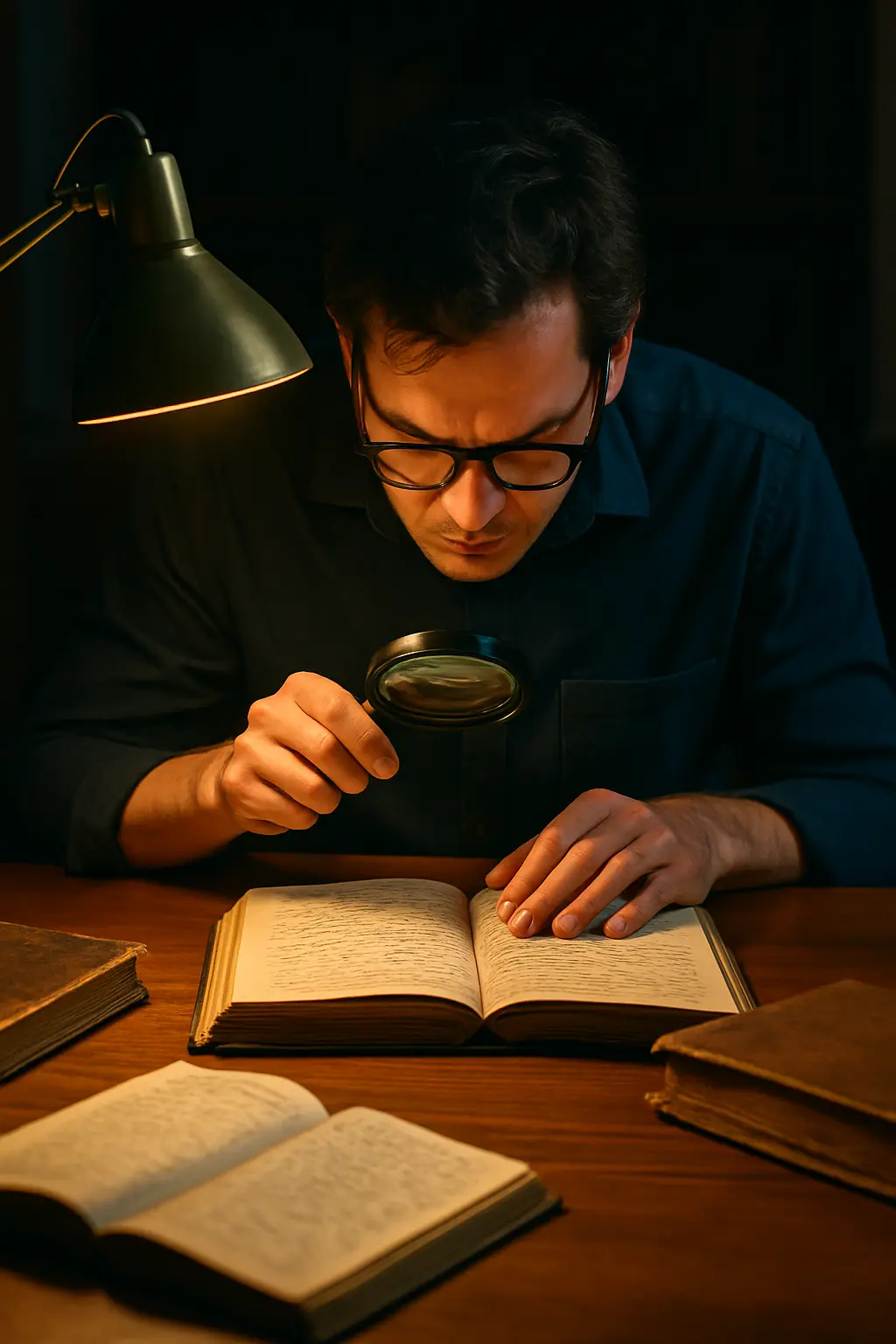
What marginalia ultimately reveal is that a text is never quite finished at the point of publication. Every attentive reader is, in some small measure, its next author — adding the sediment of their own moment, their own bewilderment, their own delight. To read a heavily annotated copy of a great novel is to hold not one book but several: the writer's, the annotator's, and your own. That layering, untidy and provisional as it is, may be the closest literature comes to being genuinely alive.