
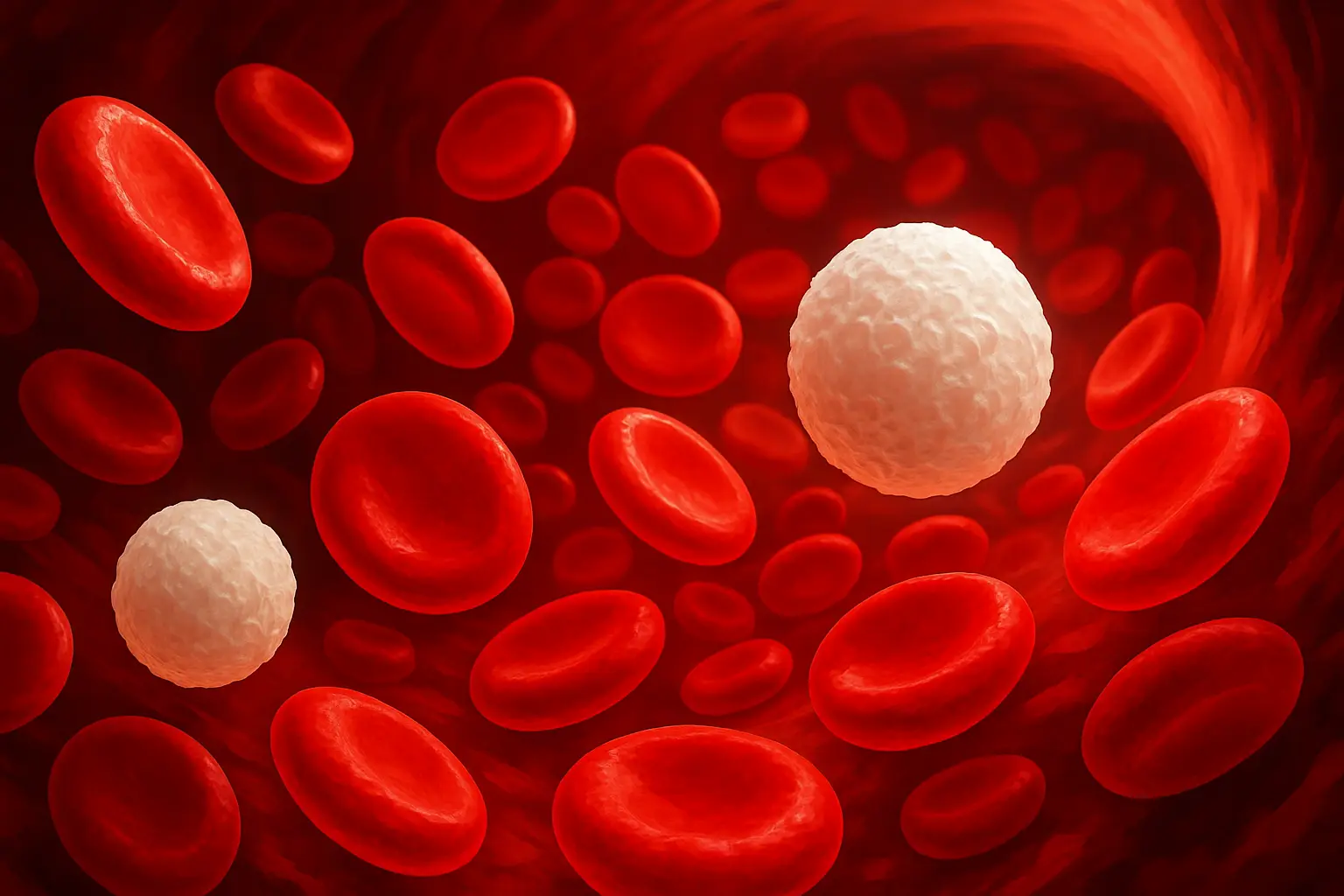
The Immune System: Your Body's Invisible Army
Most people think about their immune system only when they fall ill — a sore throat, a fever, or a bout of fatigue that leaves them bedridden for days. Yet this intricate biological network operates around the clock, making countless decisions without any conscious input from us. Understanding how it works, and why it sometimes fails, reveals just how extraordinary the human body really is.

The immune system operates on two broad levels. The first is innate immunity — a rapid, non-specific response that kicks in within minutes of encountering a threat. When bacteria enter through a cut in your skin, specialised cells called phagocytes rush to the site and begin engulfing the invaders. This response is blunt but fast. The second level, adaptive immunity, is far more sophisticated. Over the course of days, the body identifies the precise nature of a pathogen and produces targeted antibodies designed to neutralise it. Crucially, once the threat has passed, the immune system retains a molecular memory of the encounter. This is the principle behind vaccination: exposing the body to a harmless version of a pathogen so that, should the real threat ever arrive, the response is swift and decisive.
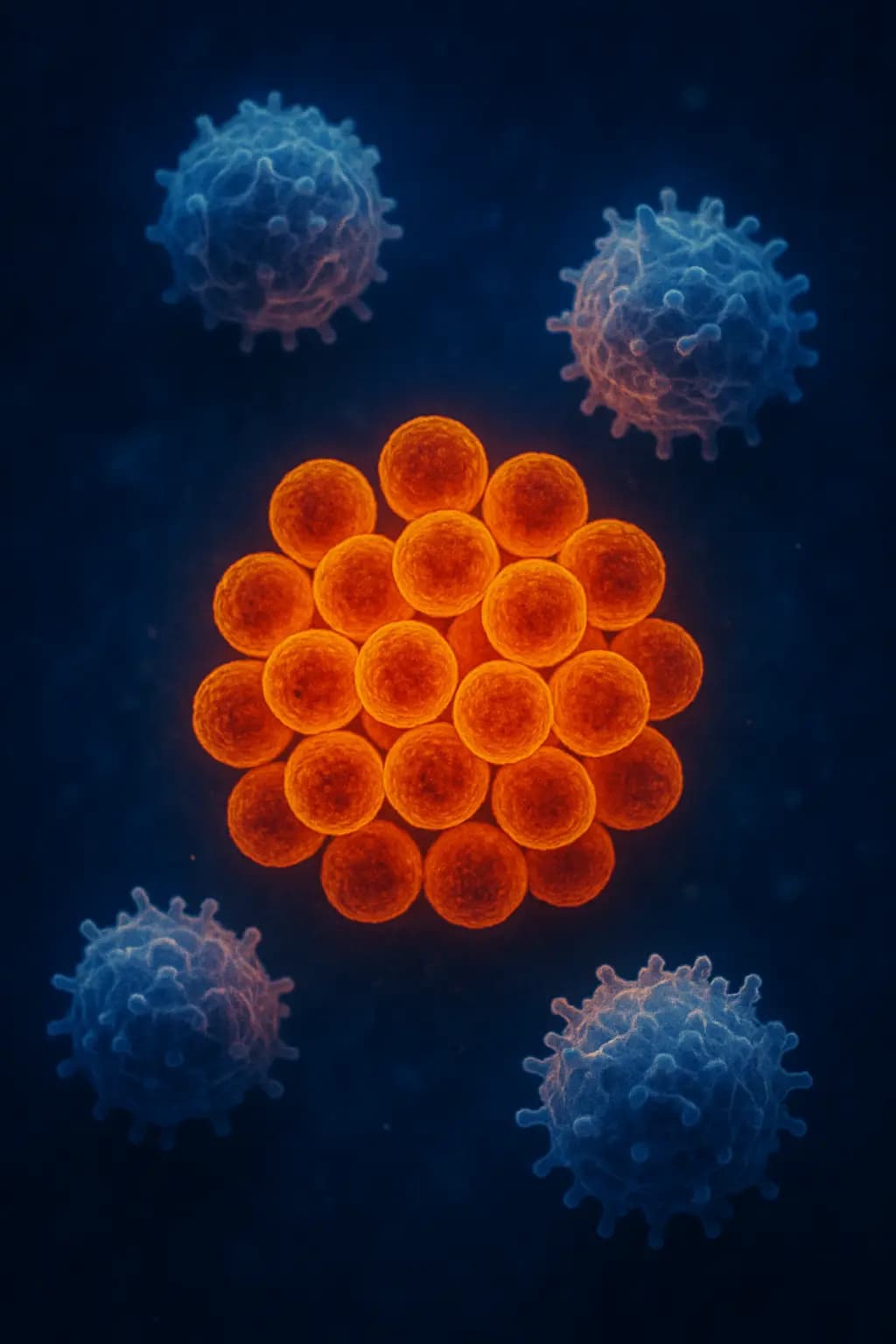
Yet the immune system is far from infallible. In autoimmune conditions such as rheumatoid arthritis or lupus, the body's defences turn against its own tissues, mistaking healthy cells for foreign invaders. Allergies represent a different kind of malfunction: an exaggerated response to harmless substances like pollen or peanuts. Scientists still do not fully understand why these misfires occur in some individuals and not others, though genetics, early-life exposure to microbes, and chronic stress are all thought to play a role.

Lifestyle choices have a measurable impact on immune function. Consistent sleep, moderate exercise, and a varied diet rich in vitamins and minerals all support the system's ability to respond effectively. Chronic sleep deprivation, by contrast, has been shown to reduce the production of infection-fighting proteins known as cytokines. The immune system, it turns out, is not just a passive shield — it is a dynamic, adaptable apparatus that reflects the conditions in which we live. Treat your body well, and it will, in most cases, return the favour.