
The Lure of the In-Between: Why Threshold Places Stay With Us
There is a particular kind of place that travellers rarely plan to visit yet almost always remember: the ferry terminal at four in the morning, the mountain pass where the road briefly flattens before the descent, the border town that belongs fully to neither country on either side of it. These are threshold places — spaces defined not by what they are in themselves but by what surrounds them. And yet, paradoxically, they often leave the deepest impressions.
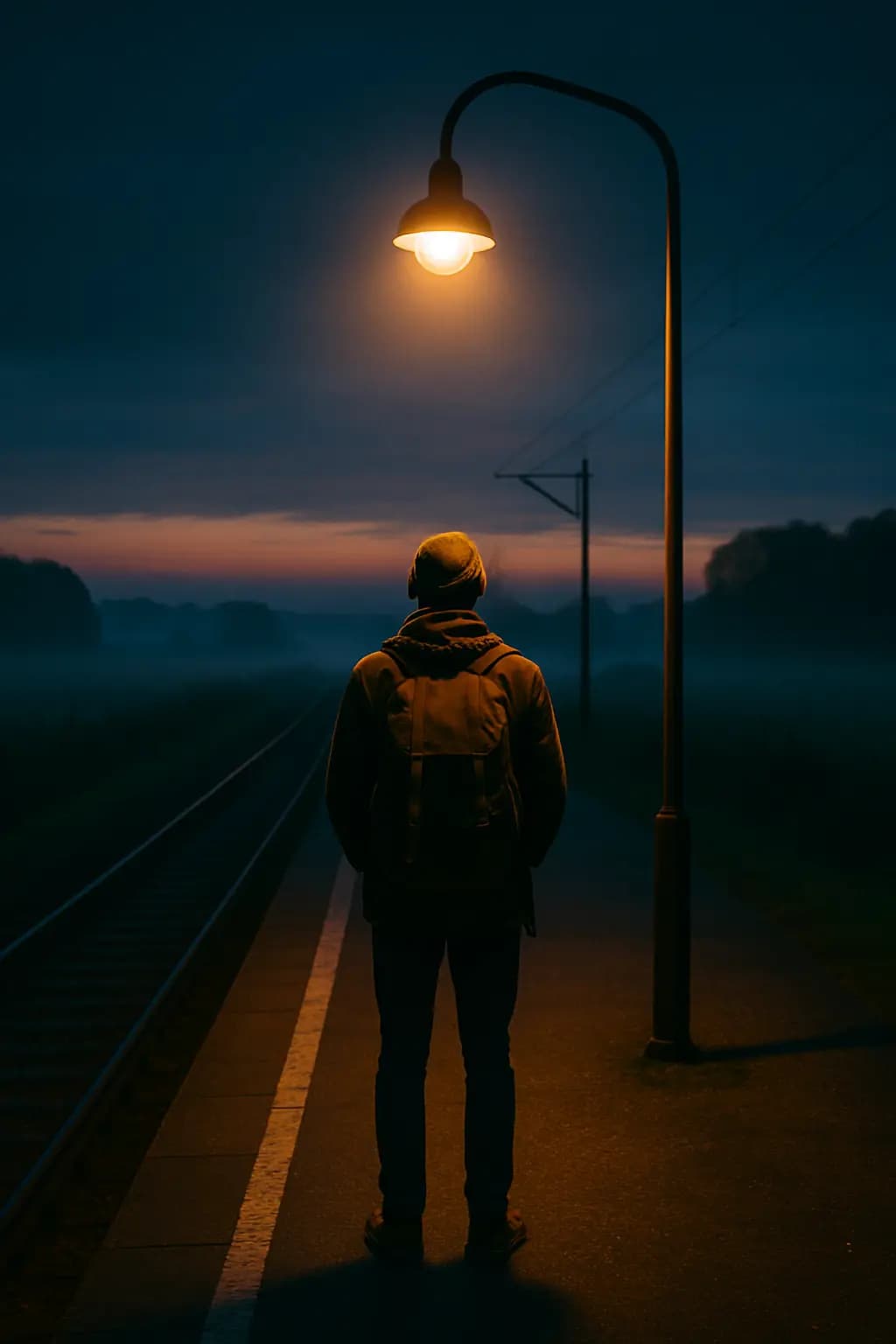
Geographers and cultural theorists have long used the term 'liminal' to describe zones of transition, borrowing the concept from anthropology, where it originally referred to the ambiguous middle phase of a ritual. Applied to physical space, the idea captures something that frequent travellers intuitively recognise: that the places between destinations carry their own distinct atmosphere, one that is charged precisely because it sits outside the normal frameworks of tourism and expectation. Nobody has curated the experience for you. The souvenir shops have not arrived yet, or they have already been abandoned.
Part of the appeal lies in a heightened state of attention that threshold places tend to provoke. When you are waiting for a connecting train in an unfamiliar provincial station, or walking through a district that was once the edge of a city and is now neither suburb nor centre, your senses sharpen in a way that a perfectly signposted attraction rarely achieves. You notice the quality of light through a particular kind of window glass, the cadence of a conversation you cannot quite follow, the smell of something frying in a kitchen you will never see. These details accumulate into a texture of place that stays vivid long after the highlight photographs have faded into familiarity.

There is also a social dimension to consider. Liminal spaces often strip away the performance that structured tourism demands. Travellers passing through are under no obligation to appreciate anything in particular, and locals going about ordinary business have no reason to perform their culture for an audience. What results is an accidental authenticity — not the manufactured kind that heritage sites and living museums work so hard to simulate, but something closer to the grain of actual daily life. The café at the end of the overnight bus route, the small square where market traders break down their stalls as evening falls: these scenes offer a glimpse of the unrehearsed.
None of this is an argument against planned destinations, which have their own irreplaceable value. It is, rather, a case for cultivating attentiveness to the margins — for slowing down at the junction rather than rushing headlong toward the centre. The traveller who lingers in the in-between often returns not just with memories but with questions, a sharper sense of how human beings arrange themselves in space, and a revised understanding of what it is they were actually looking for.