The Strange Science of Ball Lightning
Of all the phenomena that have bedevilled physicists for centuries, few are as elusive, as spectacular, or as stubbornly resistant to explanation as ball lightning. Eyewitness accounts stretch back to antiquity — medieval manuscripts describe glowing orbs drifting through church windows during thunderstorms — yet science has never managed to pin the thing down with a controlled experiment. It remains one of the last genuine mysteries in atmospheric physics, simultaneously too well-documented to dismiss and too ephemeral to study properly.
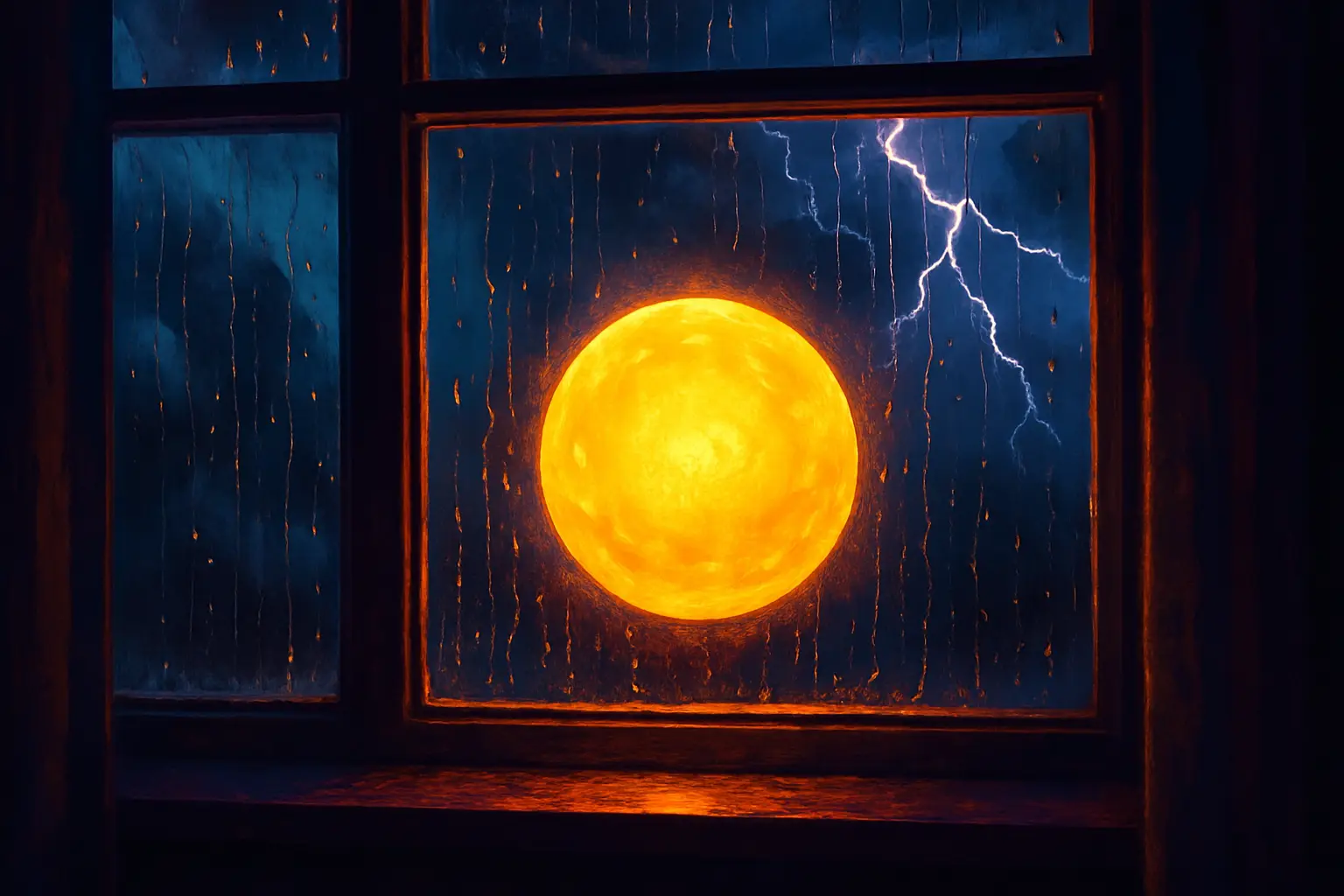
Descriptions of ball lightning are strikingly consistent across cultures and centuries, which is what makes the phenomenon so tantalising. Witnesses typically report a luminous sphere, anywhere from a golf ball to a beach ball in diameter, that drifts through the air with an almost deliberate, floating motion. The colours vary — white, orange, red, blue — and the object may persist for several seconds to over a minute before either fading quietly or vanishing with a sharp bang. On rare occasions, it passes through glass windowpanes without leaving a mark, then dissipates indoors. These accounts share enough structural detail to suggest witnesses are describing a real physical event rather than hallucination or optical illusion.
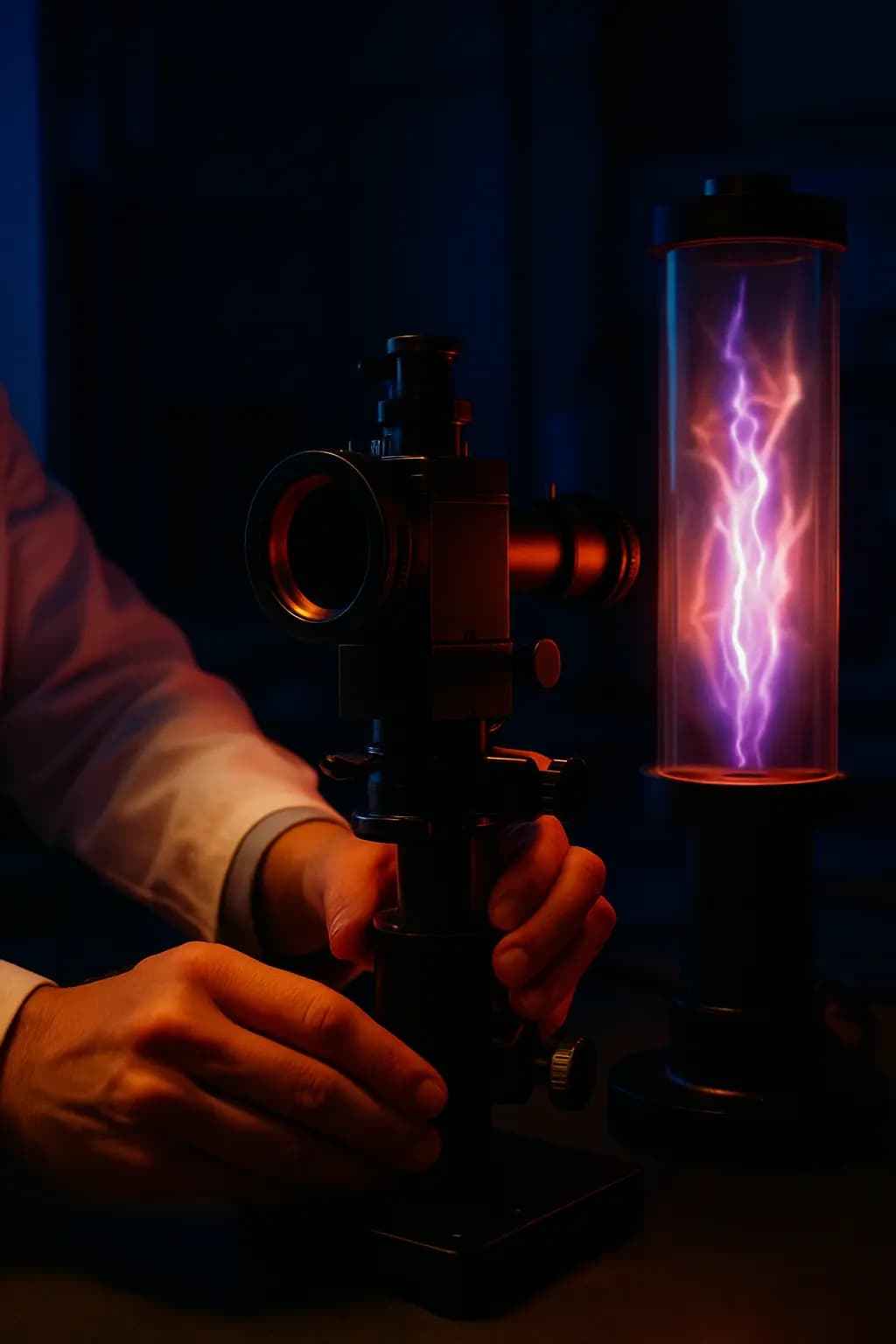
The theories attempting to account for ball lightning read like a catalogue of imaginative physics. Early hypotheses invoked simple burning gases or swarms of luminescent insects, both of which were rapidly abandoned as insufficient. More sophisticated proposals include microwave radiation trapped within a plasma bubble sustained by electromagnetic energy from a lightning strike, and combustion of nanoparticle aerosols — fine silicate or metalite particles vaporised from soil by the initial bolt and then oxidising slowly in a coherent fireball. Another intriguing model, drawing on quantum electrodynamics, posits that knotted magnetic fields in plasma can form stable, self-contained structures that slowly radiate their energy as light and heat. Each theory accounts for some observations but stumbles on others; none has achieved anything approaching scientific consensus.