Exoplanets and the Search for Another Earth
For most of human history, the question of whether other planets existed beyond our solar system remained firmly in the realm of philosophy rather than science. That changed in 1995, when astronomers confirmed the first exoplanet orbiting a sun-like star — a discovery that reshaped how we think about our place in the universe. Since then, the count has grown to well over five thousand confirmed worlds, and the pace of discovery shows no sign of slowing.
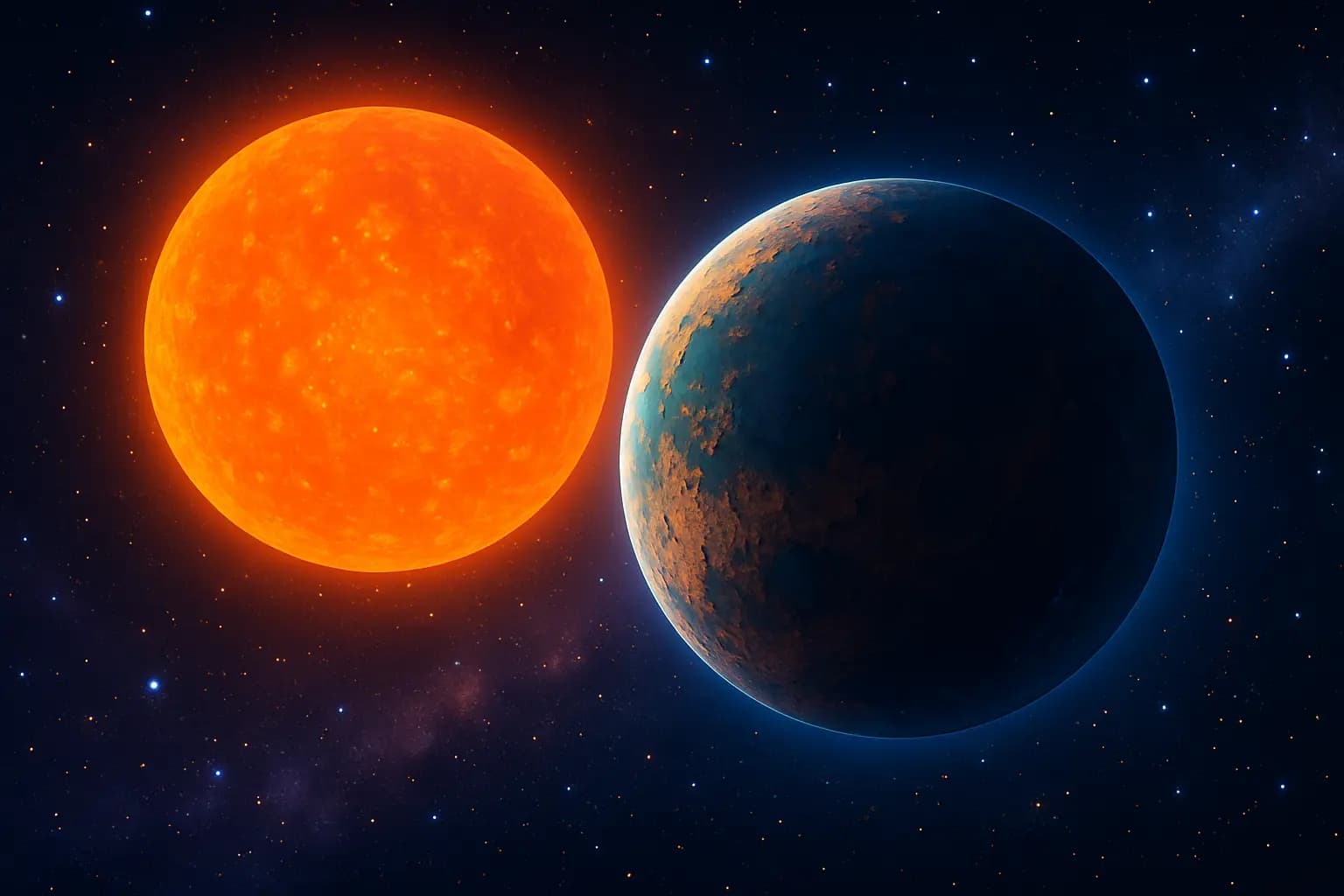
What makes exoplanet research so compelling is not merely the sheer number of worlds being found, but the extraordinary diversity among them. Scientists have catalogued scorching gas giants that orbit their stars in a matter of days, tidally locked planets where one face burns in perpetual daylight while the other freezes in endless night, and so-called super-Earths — rocky planets larger than our own but potentially capable of retaining an atmosphere. This variety has forced astronomers to abandon earlier assumptions that our own solar system represented a standard template. It turns out that planetary systems are wildly idiosyncratic, each shaped by its own particular history of collisions, migrations, and gravitational interactions.
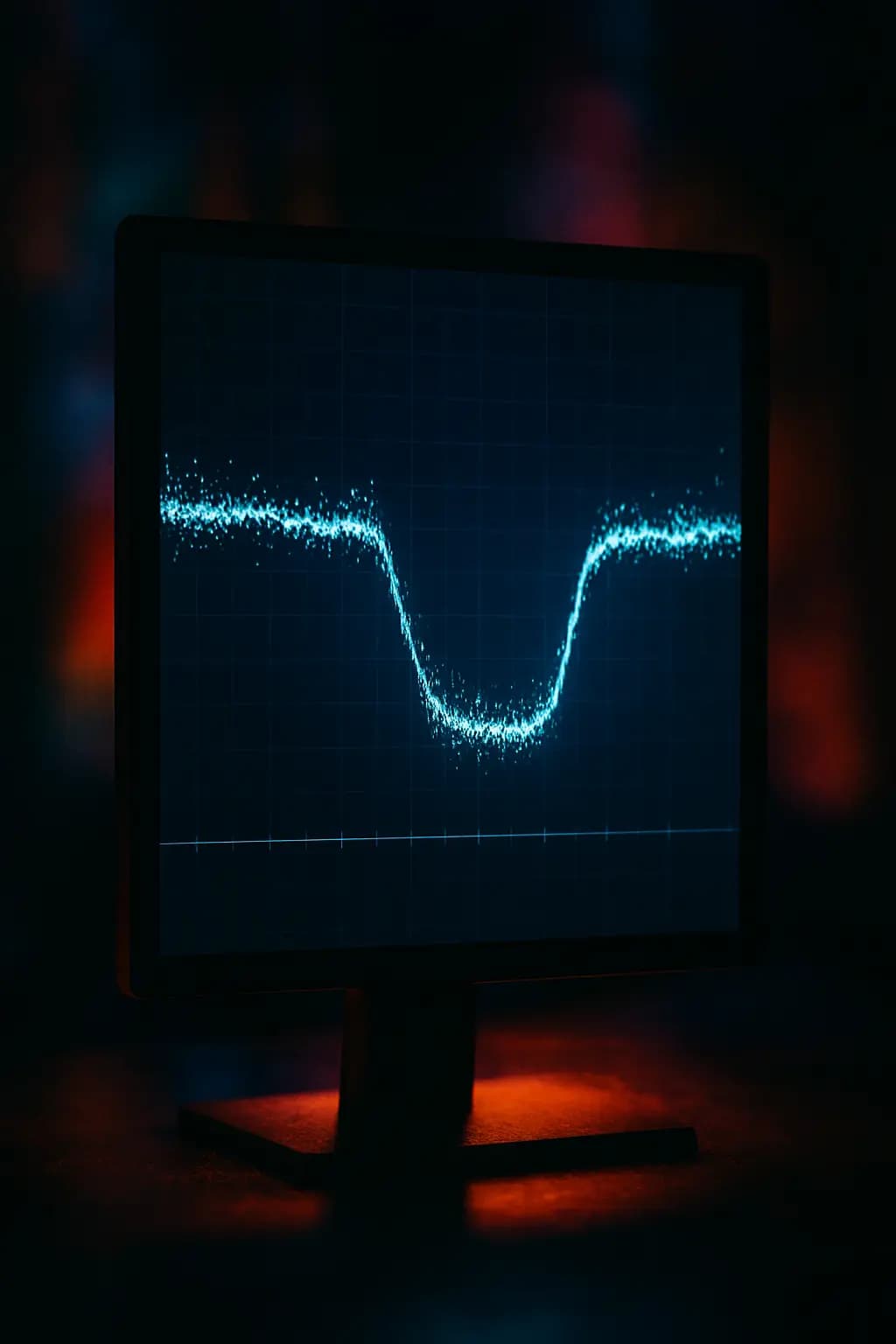
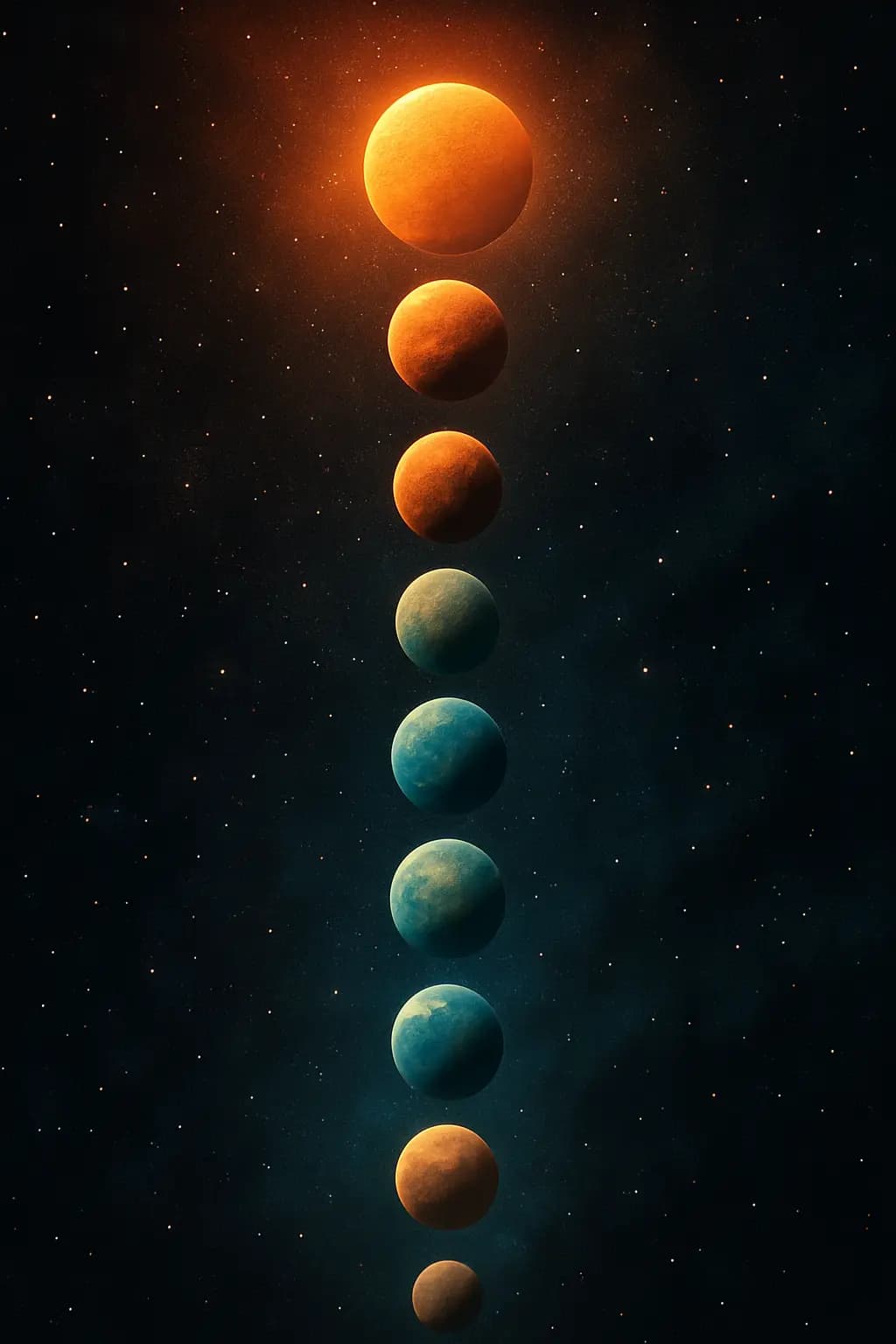
The holy grail of this field, however, remains the detection of a planet that genuinely resembles Earth — one orbiting within the habitable zone of its star, where liquid water could theoretically pool on the surface. Several strong candidates have emerged, most notably the TRAPPIST-1 system, which hosts seven Earth-sized planets, at least three of which sit within this temperate band. Yet proximity in size and position is no guarantee of habitability. Without knowing the composition of a planet's atmosphere, whether it has been stripped away by stellar radiation or thickened to a crushing density, any claim of Earth-likeness remains provisional.