
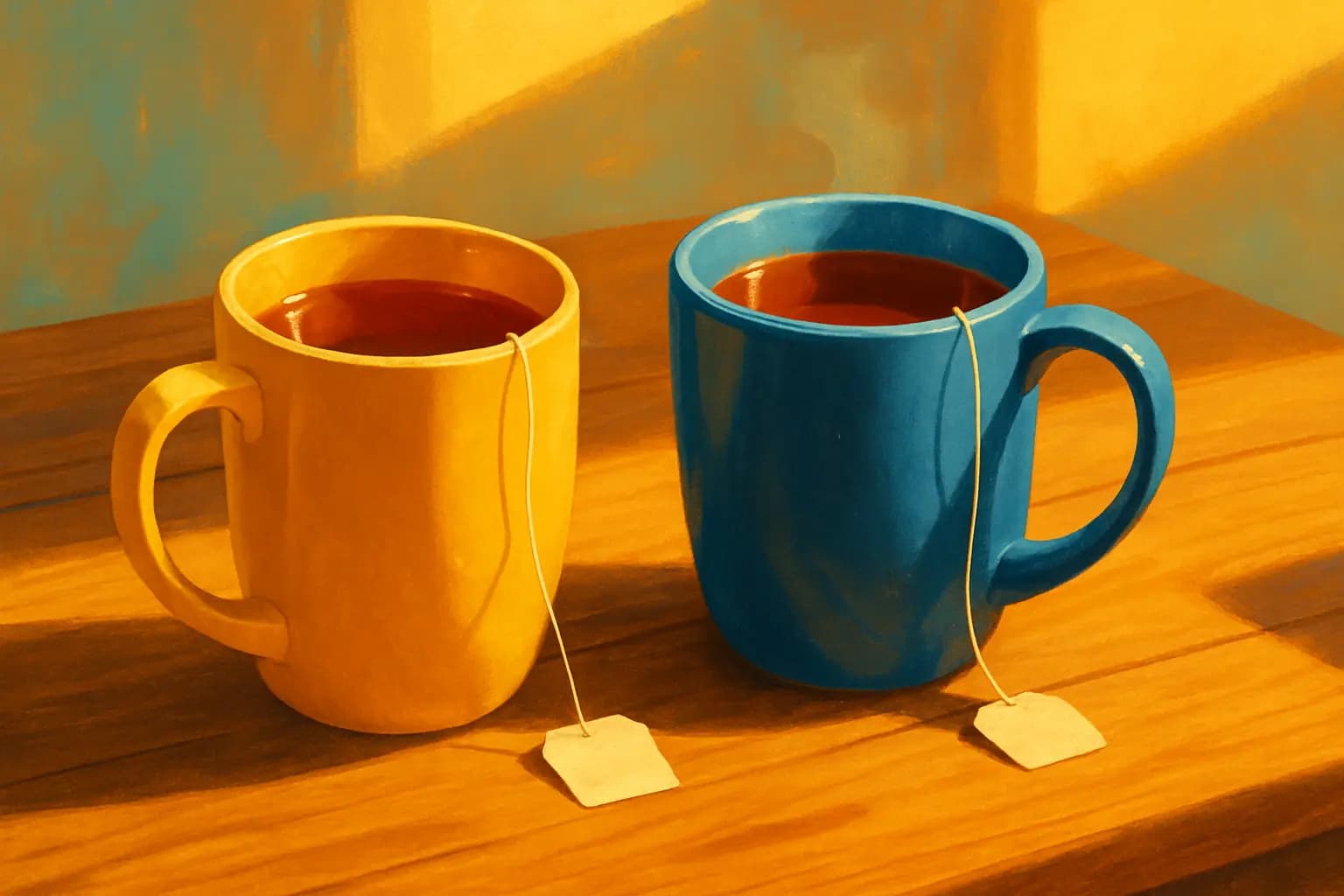
The Art of Staying: Why Long-Term Love Requires More Than Feeling
At the start of a romantic relationship, chemistry does most of the heavy lifting. Attraction, novelty, and the intoxicating uncertainty of early courtship create a kind of emotional momentum that feels almost effortless. But as that initial intensity inevitably fades — and for virtually every couple, it does — a more deliberate kind of commitment must take its place. The question worth asking is not whether passion can last, but whether we truly understand what sustains love once the honeymoon phase is over.
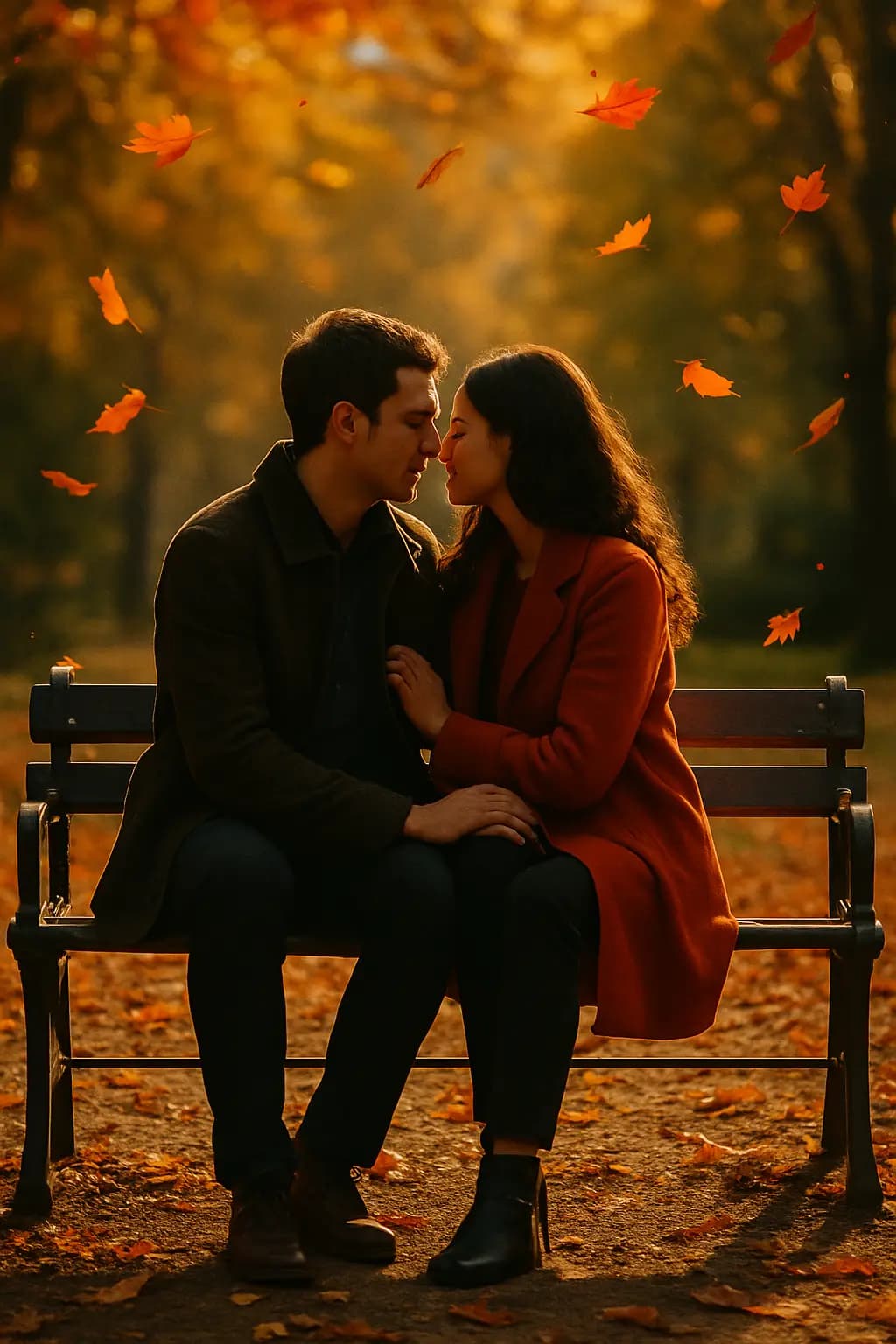
Research in relationship psychology suggests that long-term romantic partners who report high satisfaction tend to share a few key habits. They practise what some researchers call "active appreciation" — not merely noticing good qualities in a partner, but regularly expressing them. They maintain curiosity about each other, resisting the comfortable assumption that they already know everything there is to know about the person beside them. Perhaps most crucially, they navigate conflict not as opponents but as collaborators attempting to solve a shared problem. None of this comes naturally to everyone, and that is precisely the point: enduring love is a skill, not a state.
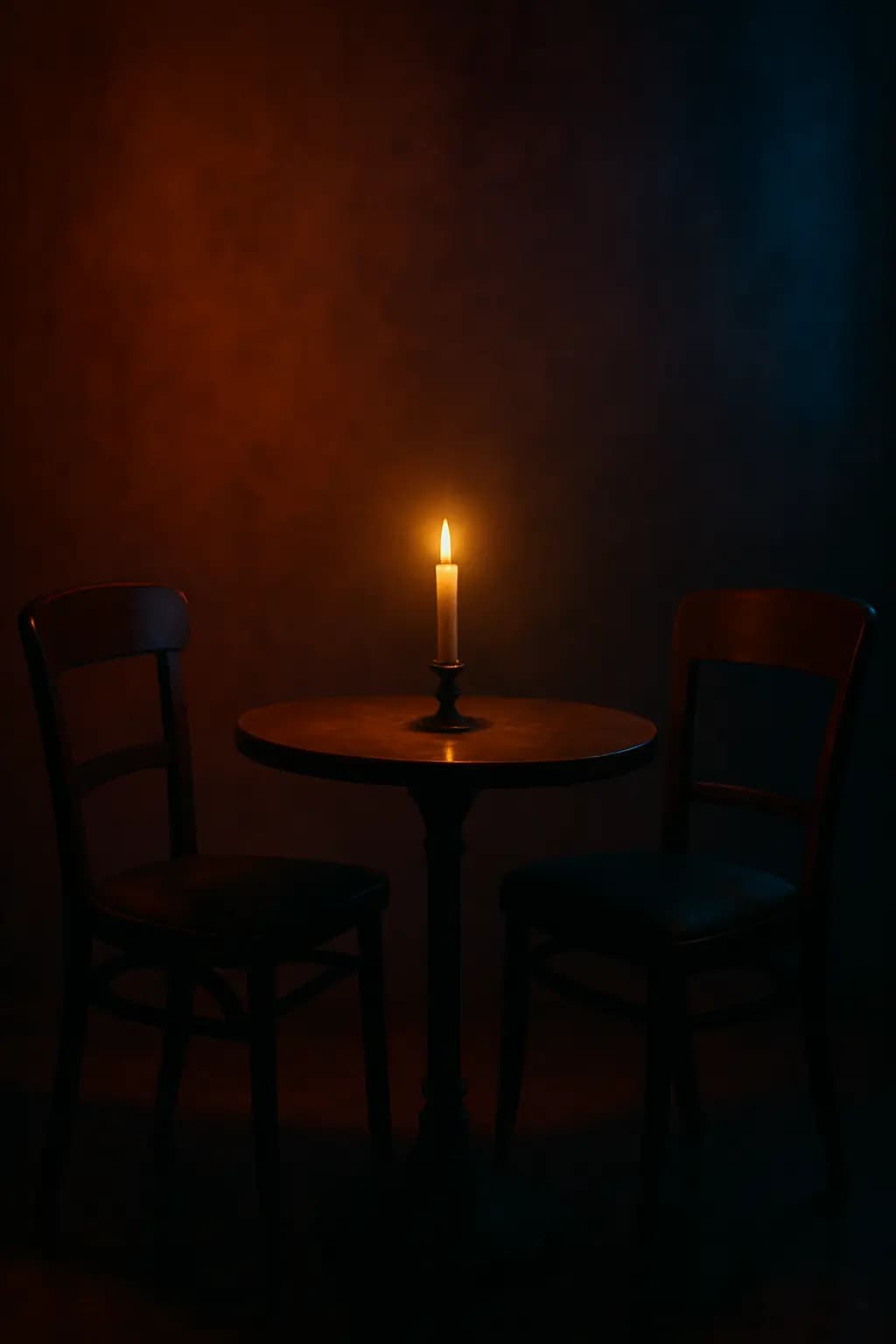
There is, of course, a persistent cultural narrative that frames love as something that either "works" or doesn't — a fatalistic view that tends to absolve individuals of responsibility. If a relationship deteriorates, the easy conclusion is that the two people were simply incompatible. Yet incompatibility is rarely fixed. Two people willing to grow, communicate honestly, and tolerate one another's imperfections can build something remarkably durable, while two people waiting passively for love to sustain itself will almost certainly be disappointed.
This is not an argument against romantic idealism. Feeling genuine affection, admiration, and desire for a partner matters enormously. But those feelings are better understood as fuel, not as the engine itself. The real architecture of a lasting relationship is constructed quietly, in small decisions made daily: the question asked with real interest, the grievance handled with patience, the effort made when effort feels unnecessary. Love, at its most enduring, is less a thing you fall into than a place you choose to build.