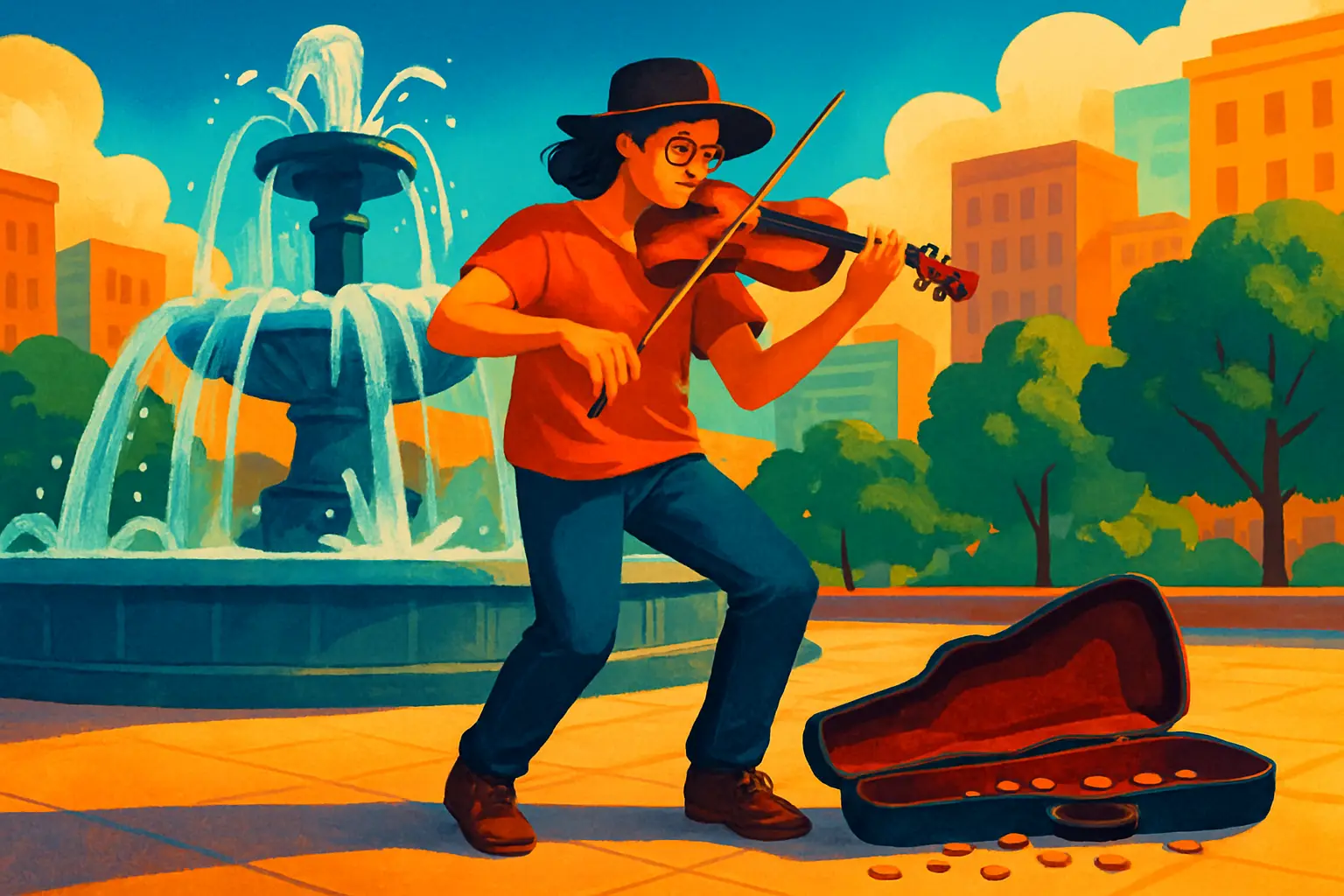
Why Busking Still Matters in a Streaming World
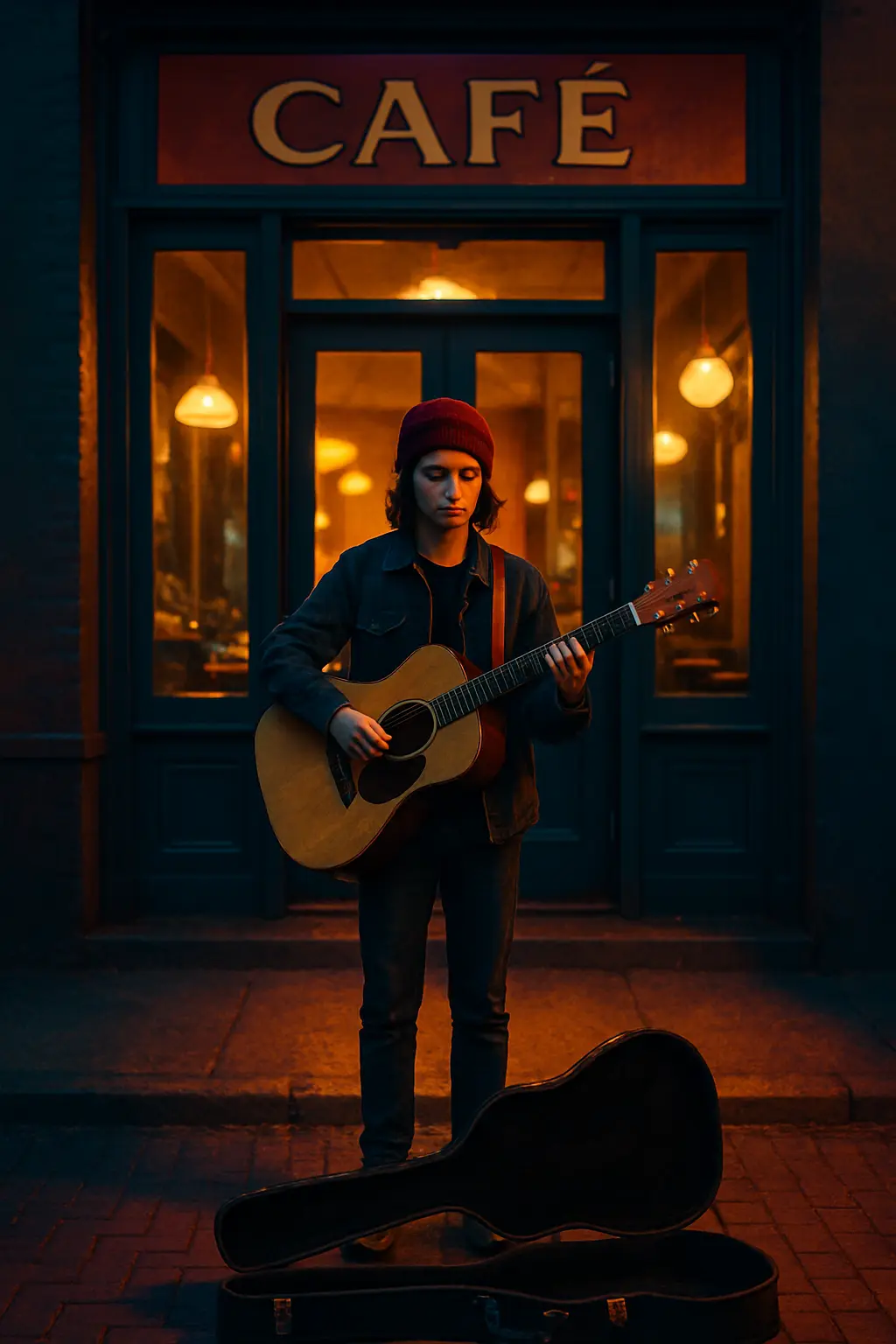
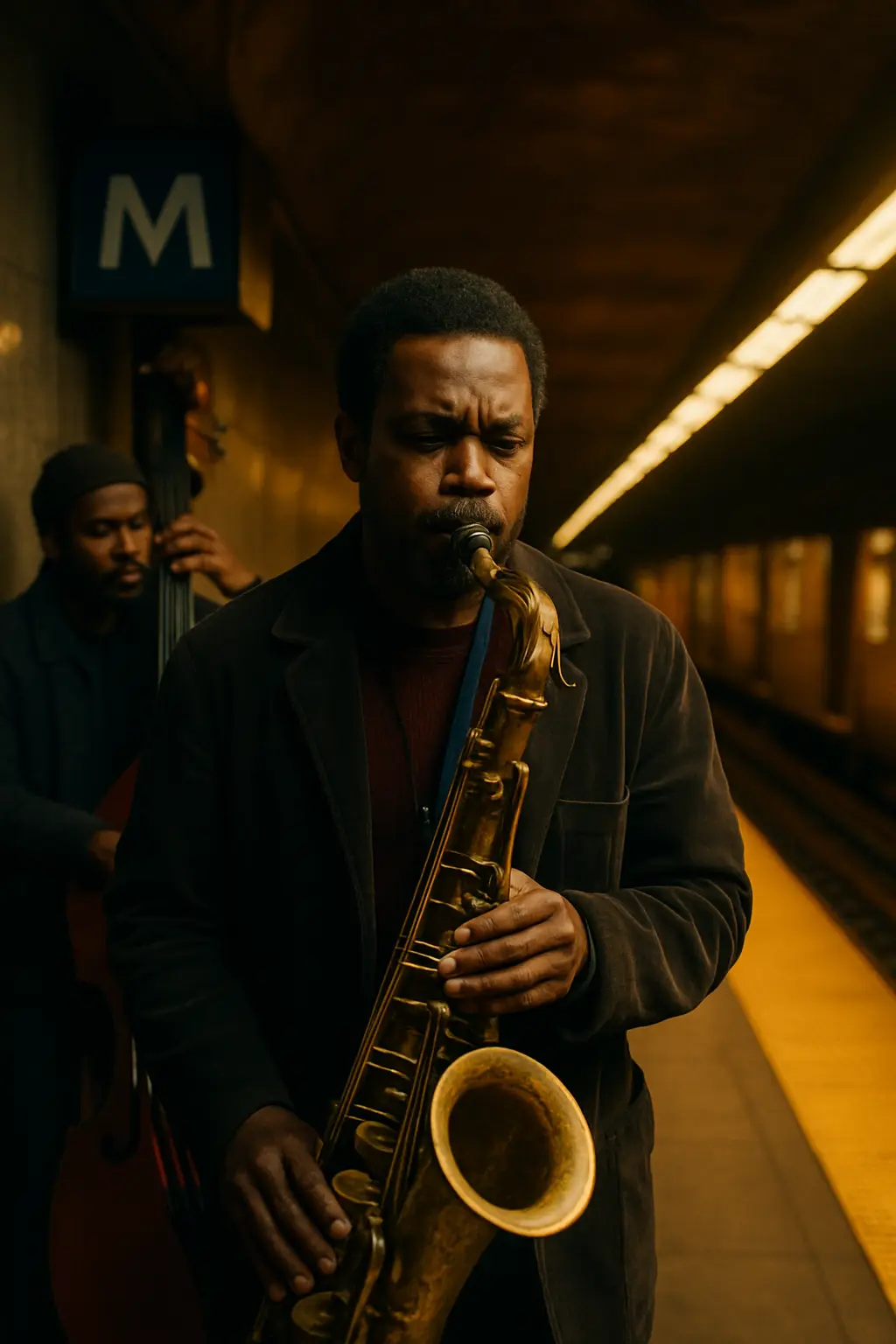
Walk through almost any busy city centre and you are likely to hear music before you see it. A violinist beside a fountain, a jazz duo near a metro entrance, a teenager with an acoustic guitar outside a coffee shop — these are buskers, and they have been part of city life for hundreds of years. In an age when music is available at the touch of a screen, it might seem strange that people still stop to listen. Yet busking is not just surviving; in many cities, it is thriving.
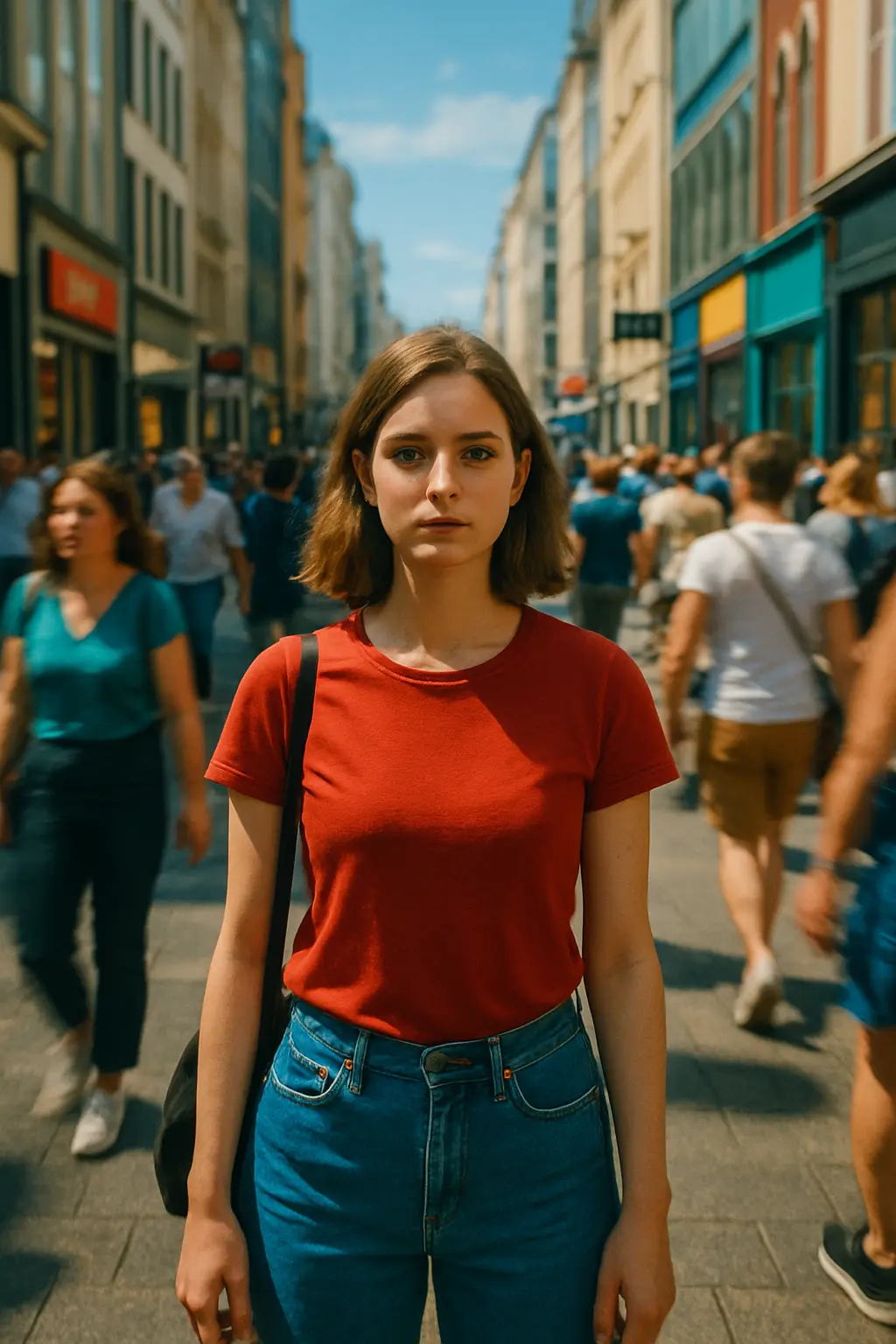
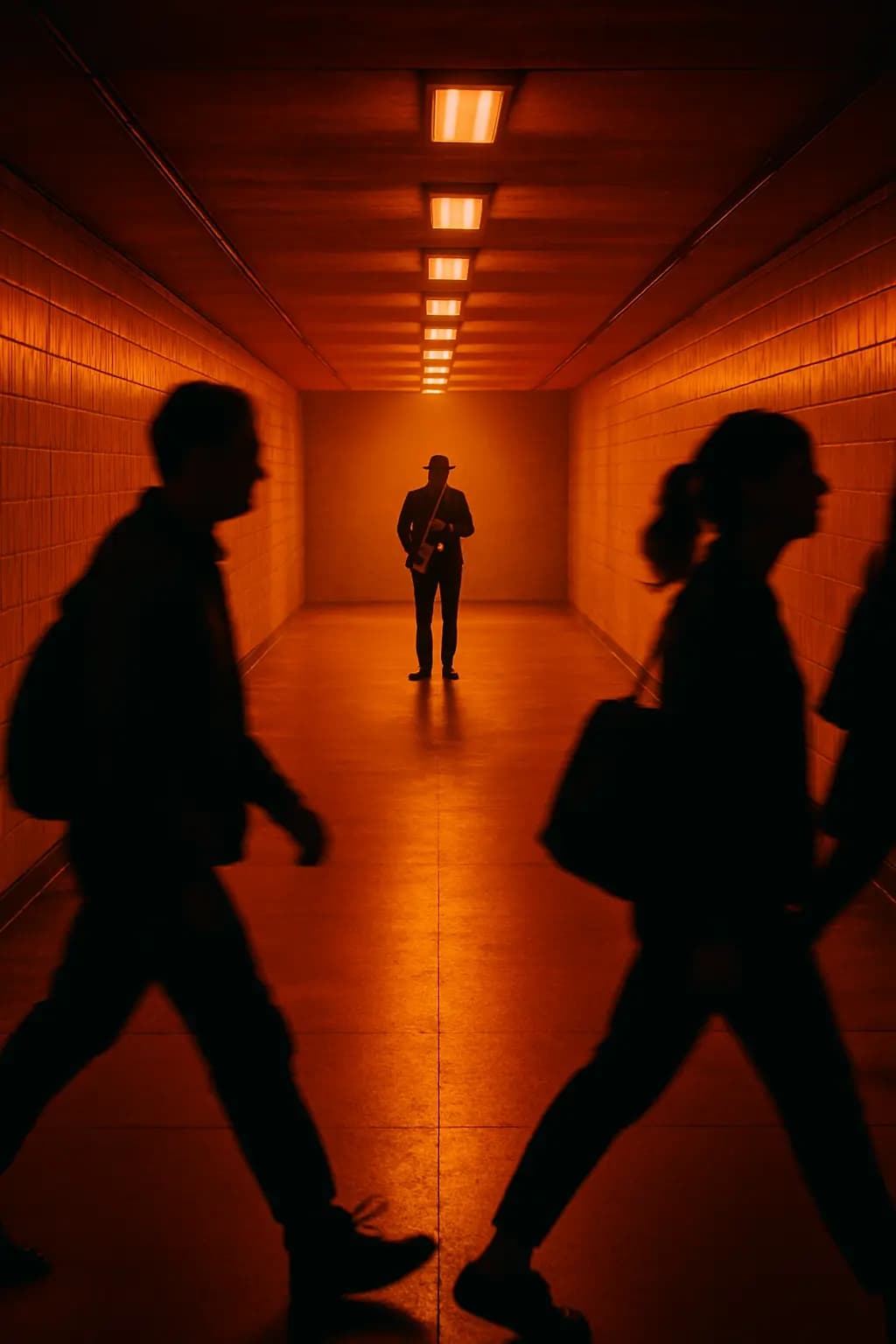
What makes busking special is the connection it creates between performer and audience. There are no tickets to buy, no seats to find, and no phone screen to look at — just music in the open air, shared between strangers. For the musician, it is one of the toughest gigs imaginable. You have to grab people's attention in seconds, keep them interested, and make them want to reach into their pocket. Many professional artists started out busking, and they say it taught them more about performance than any stage ever did. It sharpens your skills in a way that a rehearsal room simply cannot.
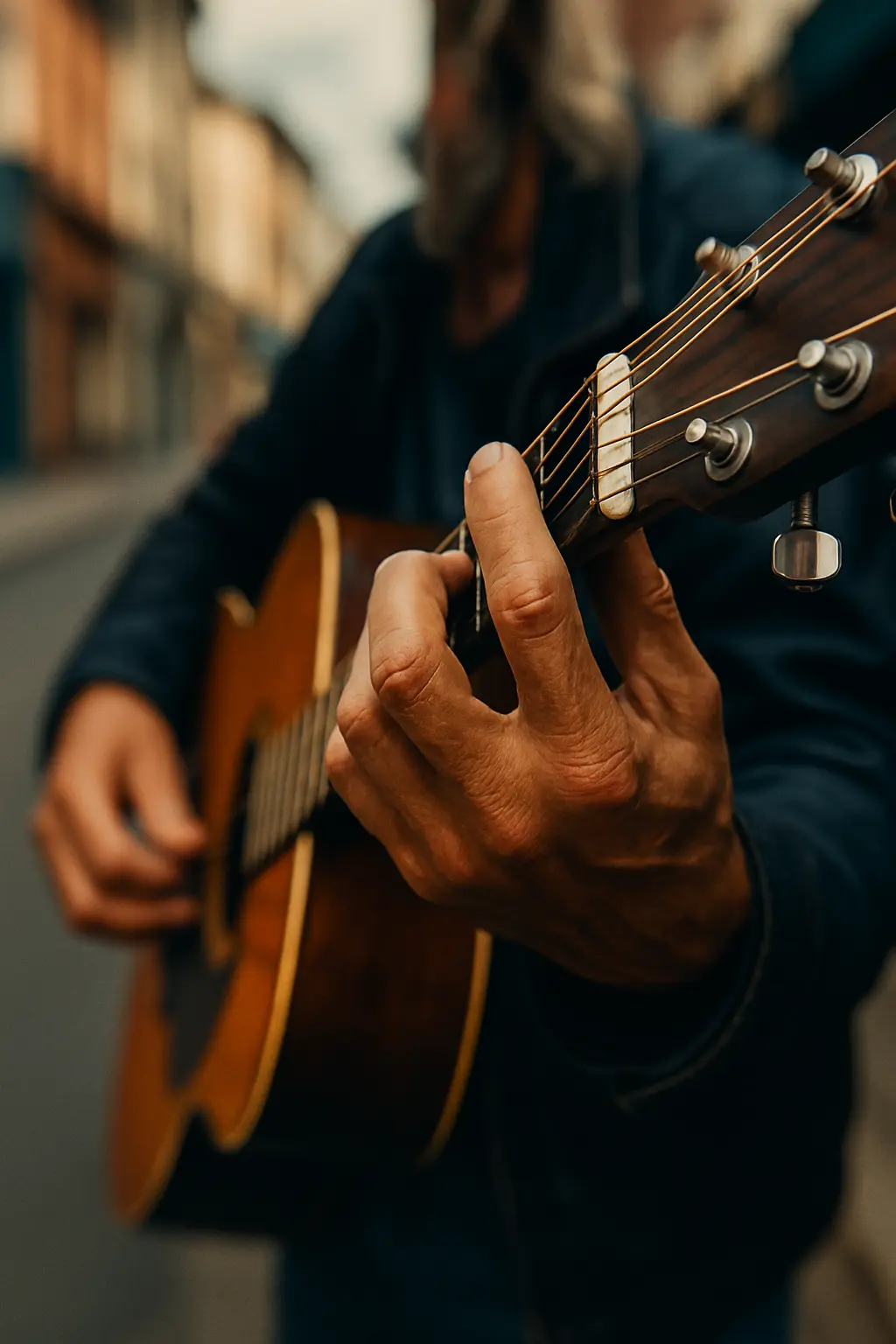
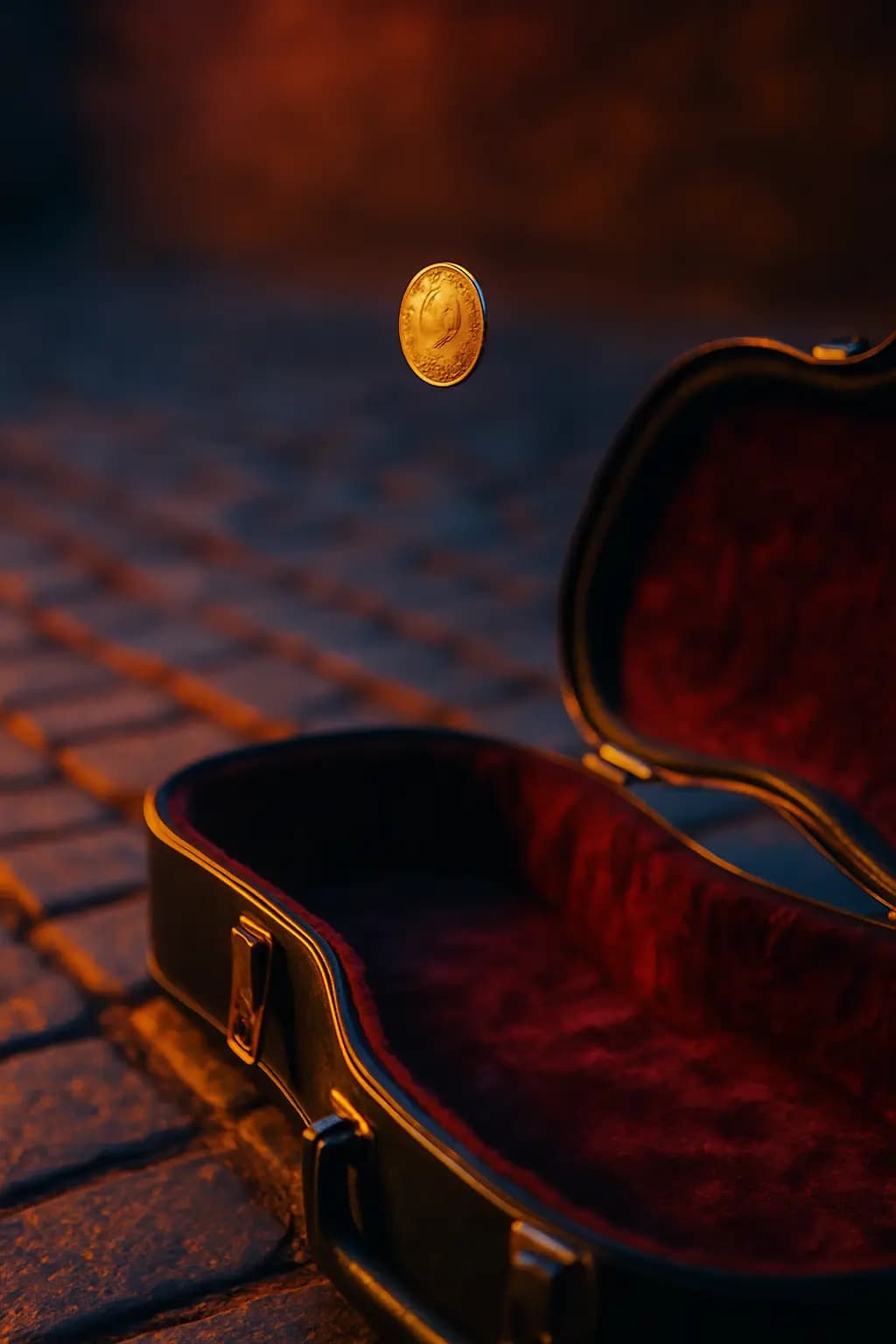
Busking also gives a city its personality. The sound of a saxophone drifting through an underground station or a folk singer on a rainy street corner adds colour and warmth to an otherwise ordinary day. Some cities now run official schemes that audition musicians before giving them a licence to perform. This raises the quality, but some argue it takes away the spontaneous, rough-around-the-edges charm that makes street music so exciting in the first place. Either way, when you drop a coin in a busker's case, you are doing more than paying for a tune — you are keeping a very human tradition alive.