The Slow Art of Handmade Ceramics and Why It Endures
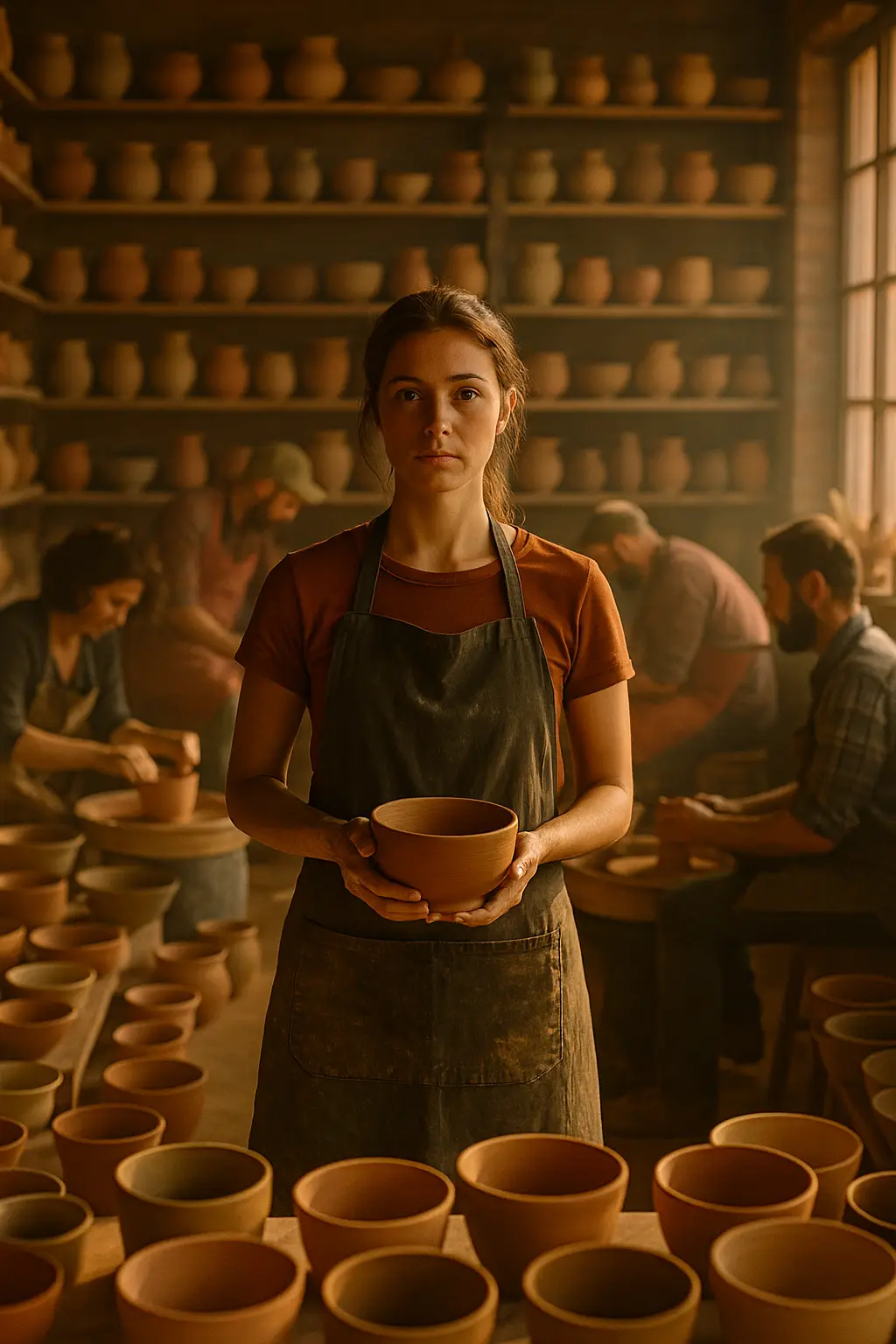
There is something quietly subversive about choosing to make a bowl by hand when a factory can produce ten thousand in an hour. Yet across studios in Kyoto, Marrakech, and Copenhagen, a growing number of artists and hobbyists are turning to the wheel, the kiln, and the glaze with a dedication that borders on devotion. Handmade ceramics — ancient in origin, intimate in scale — are not merely surviving in the age of mass production; they appear to be thriving.
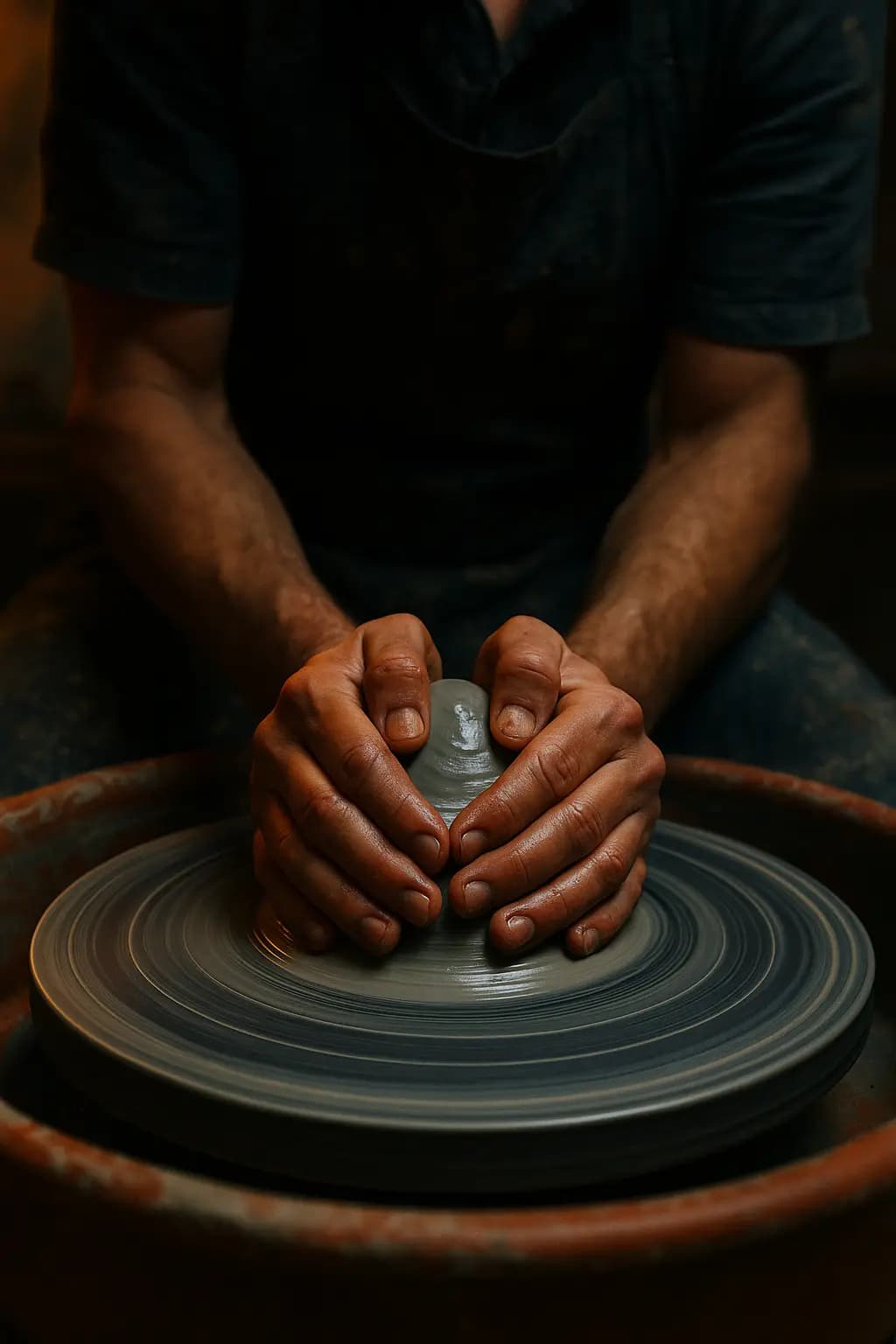
The appeal is partly tactile and partly philosophical. Clay is one of the few materials that records human touch faithfully: a fingerprint pressed into wet clay becomes a permanent feature of the finished object. This directness — the absence of any mediating tool between maker and material — creates what many ceramicists describe as an unusually honest creative relationship. Unlike painting or digital design, where the work can be endlessly revised and refined, clay sets. It dries, it fires, it becomes fixed in a way that demands a certain acceptance of imperfection from the artist.
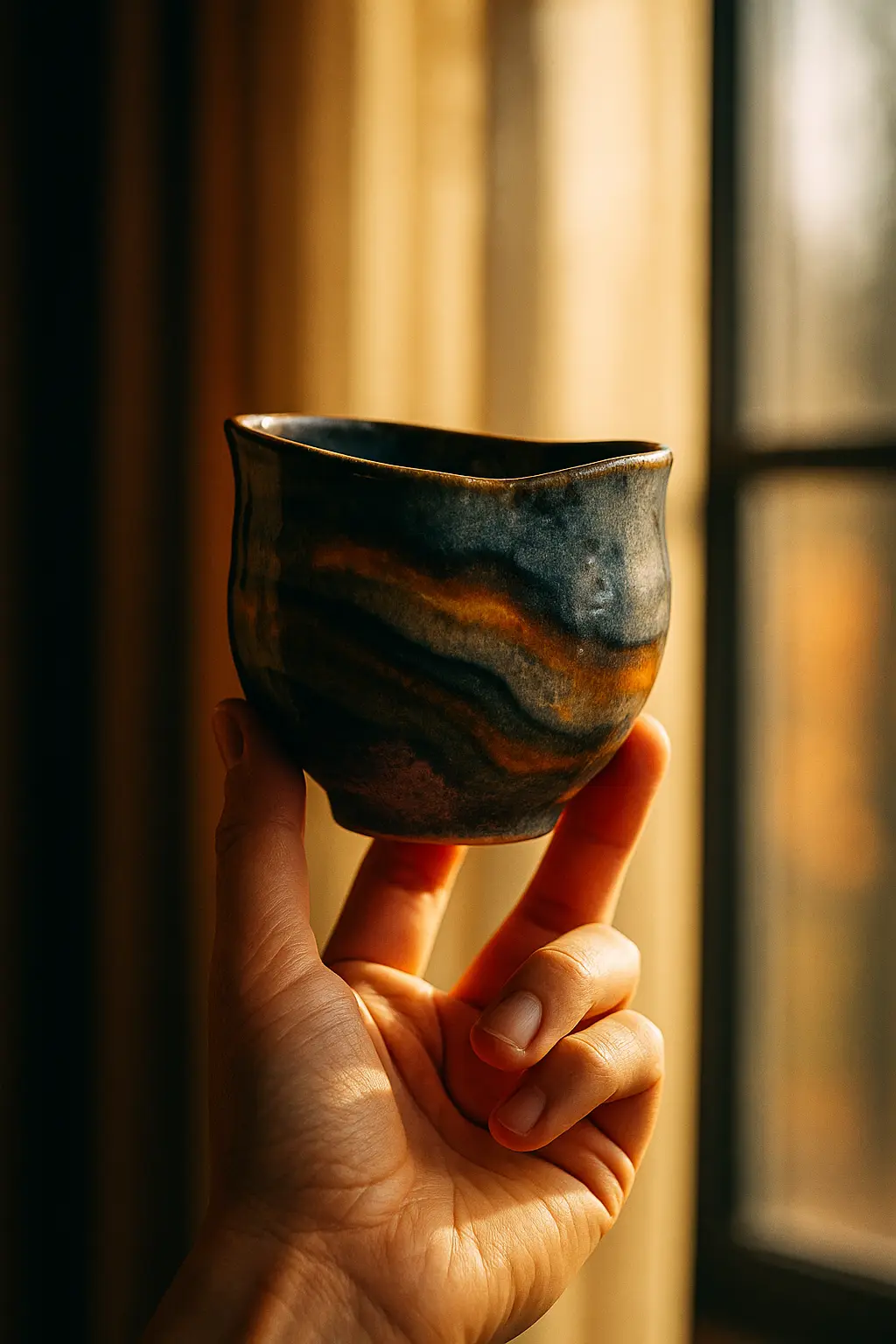
This acceptance sits at the heart of why ceramics has attracted renewed cultural attention. In a moment defined by the frictionless perfection of digital interfaces and the seamless uniformity of algorithmic aesthetics, handmade objects carry a visible grammar of effort. Wobbles, asymmetries, and surface variations that a quality-control algorithm would flag as defects are precisely what collectors and everyday buyers now seek out. The Japanese aesthetic concept of wabi-sabi — finding beauty in impermanence and imperfection — is frequently invoked in contemporary ceramic discourse, though its application in Western contexts sometimes flattens what is, in Japan, a far more nuanced philosophical tradition.