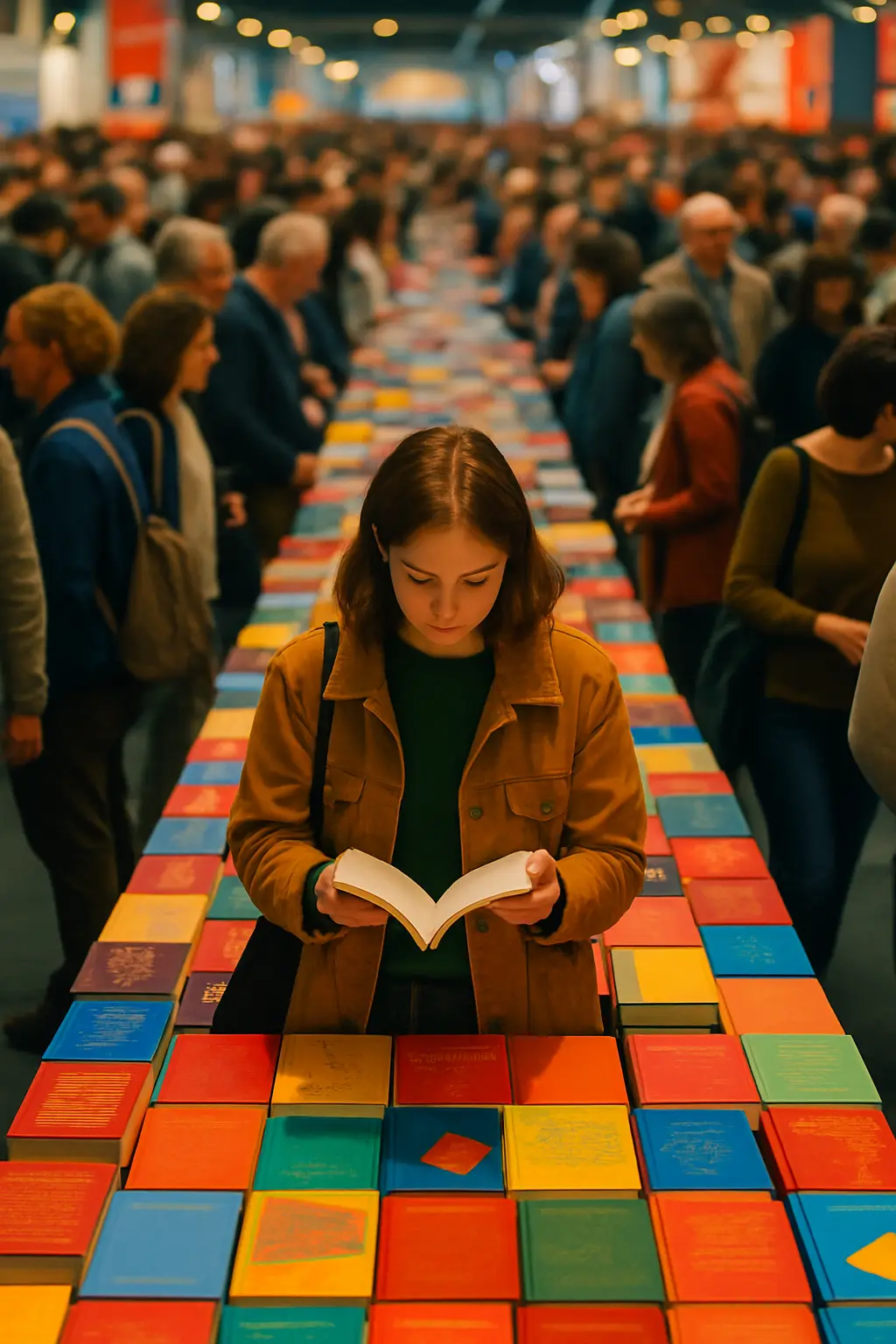

The Translation Paradox: What We Lose and Gain When Literature Crosses Languages
There is a particular kind of grief that attaches itself to multilingual readers — the suspicion that no matter which version of a beloved novel they hold, something irretrievable has slipped through the seams. Literary translation occupies one of the most intellectually demanding and philosophically thorny niches in the world of letters, caught perpetually between fidelity and fluency, between honouring the source and serving the reader. Yet the conversation around what translation costs a text has, in recent decades, been somewhat overshadowed by a more generous question: what can it give?

The conventional anxiety about translation centres on loss. Roman Jakobson famously suggested that poetry, by its nature, is untranslatable — too deeply entangled with the sonic and rhythmic textures of its original tongue. A pun collapses. A culturally specific idiom becomes a footnote. The syntactic architecture of a language like German, where a verb arrives only at the sentence's end to deliver its emotional payload, cannot be faithfully reconstructed in English without distorting the prose's very musculature. Translators of writers like Kafka or Proust operate under conditions of productive impossibility, making thousands of micro-decisions — each defensible, none definitive — that cumulatively produce a text that is, in a meaningful sense, their own work as much as the original author's.
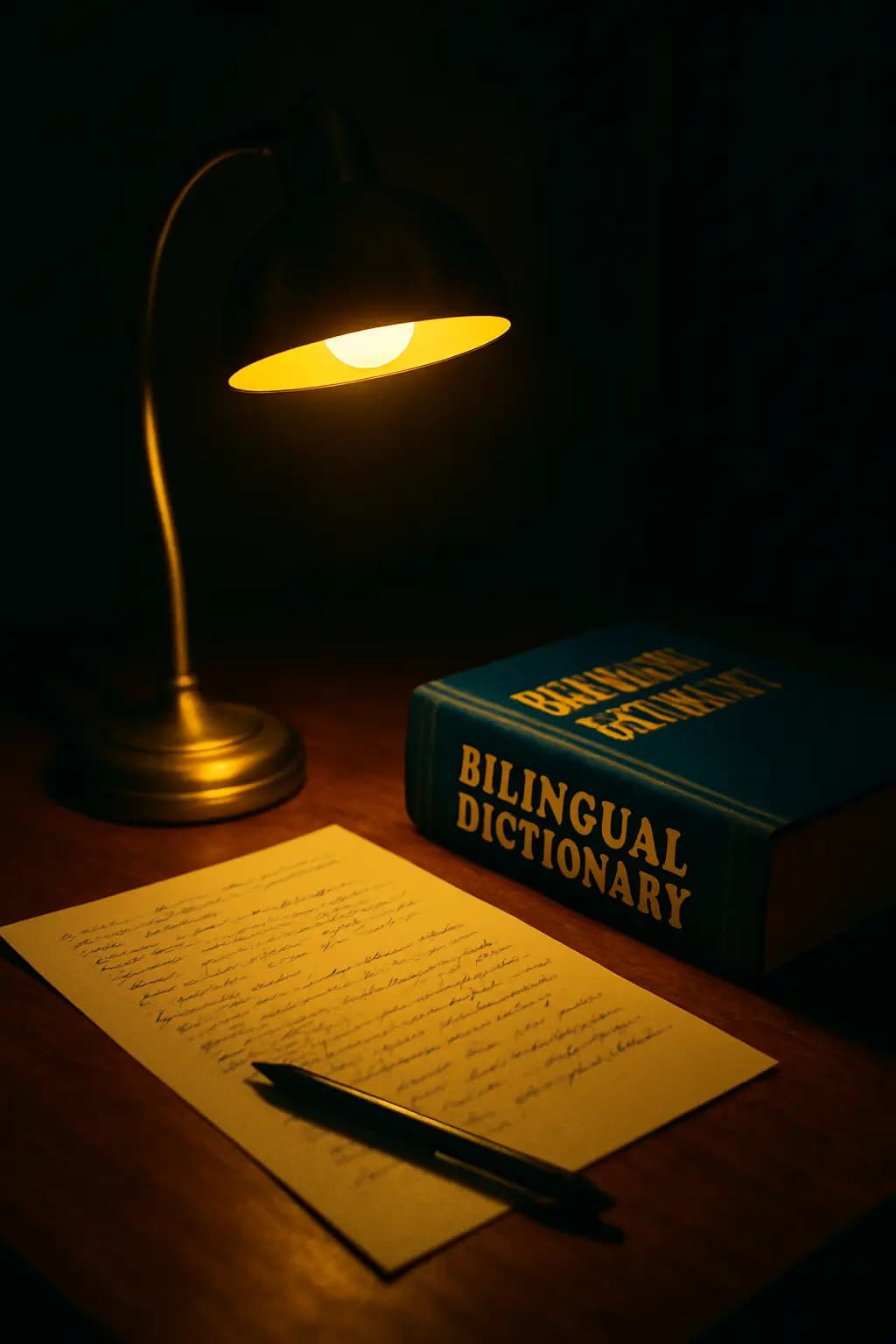
What is less frequently acknowledged is the extent to which translation can enrich a work by exposing dimensions that lay dormant in the original. When a novel moves into a new language, it enters a new web of literary allusion and cultural resonance. A Japanese reader encountering García Márquez in translation brings associations that a Spanish-speaking reader simply cannot. The text accumulates new meanings rather than merely shedding old ones. Some translators actively exploit this generative potential, making choices that illuminate ambiguities the original left unresolved. Gregory Rabassa, whose English rendering of One Hundred Years of Solitude García Márquez reportedly preferred to his own Spanish, understood that translation at its finest is not a service industry but a creative act of the highest order.

The recent surge of interest in translated fiction among anglophone readers — driven partly by the global visibility of prizes such as the International Booker — has forced a broader reckoning with translator credit, compensation, and creative recognition. For too long, the translator's name appeared in small print or not at all, effacing the labour that made the encounter possible. Movements within literary publishing are now pushing for co-billing, for acknowledgement that a translated book has, in effect, two authors: one who wrote it into existence and one who carried it across.

Perhaps the most productive way to frame the translation paradox is not as a problem to be solved but as a condition to be inhabited. Every translated text is simultaneously the same work and a different one — a kind of literary quantum state that collapses only when a particular reader, in a particular language, begins to read. In that collapse, something is always lost. And something, just as reliably, is found.