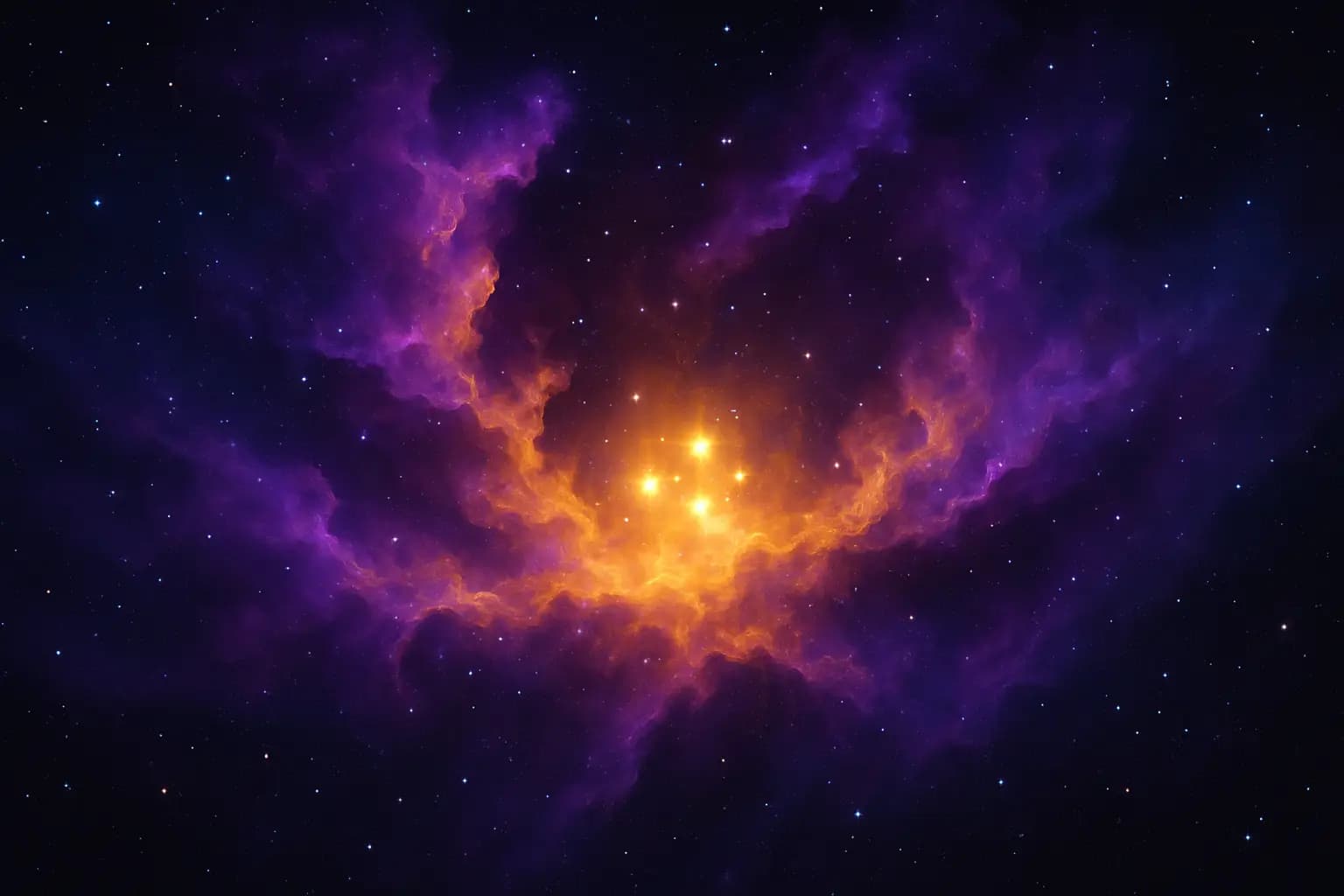
The Life Cycle of a Star: From Dust to Dazzle
When you look up at the night sky, every star you see has a story — and that story follows a surprisingly predictable path. Stars are not permanent fixtures in the sky. They are born, they live, and they die, sometimes in spectacular fashion. Understanding this life cycle helps us appreciate just how dynamic and extraordinary the universe really is.
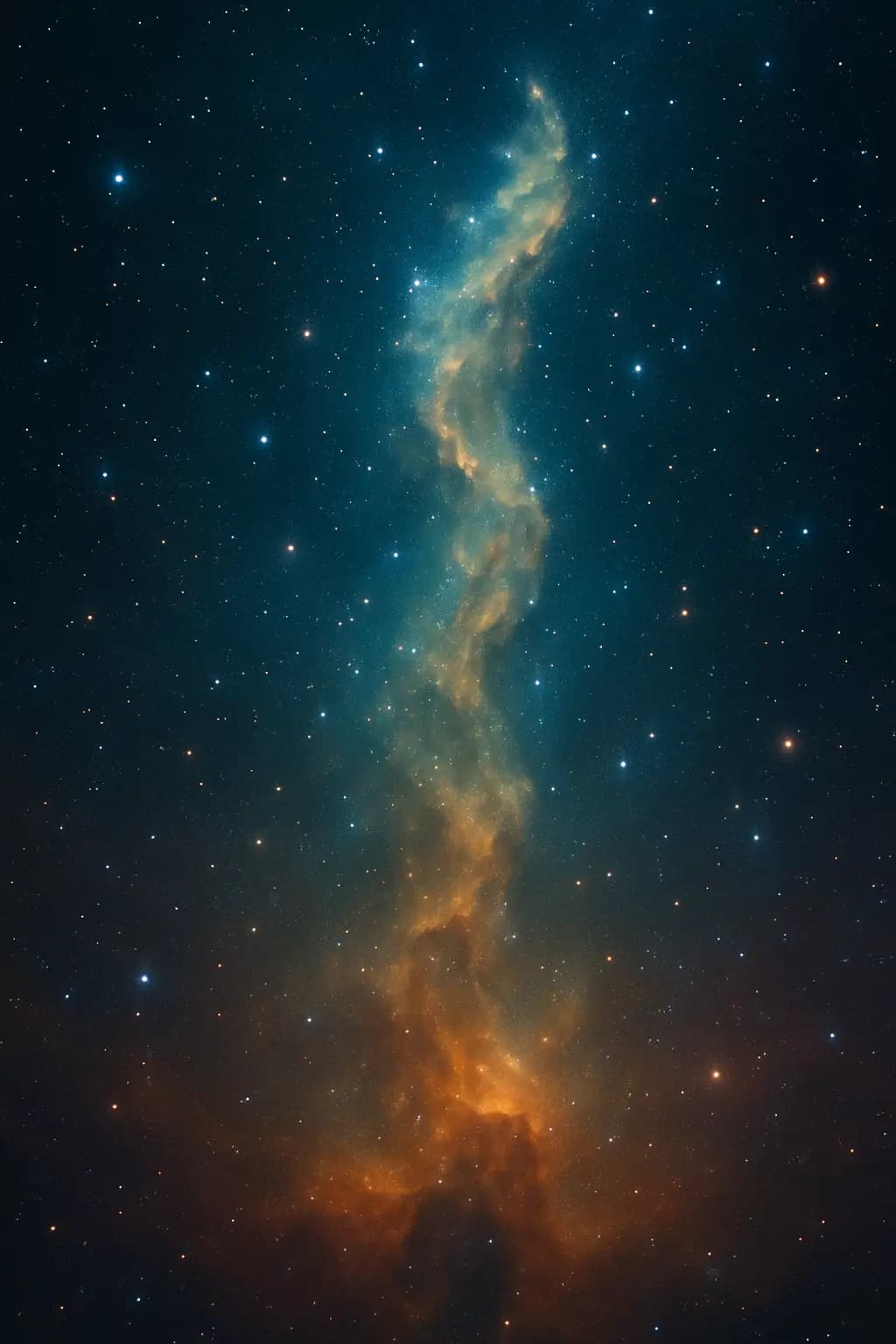
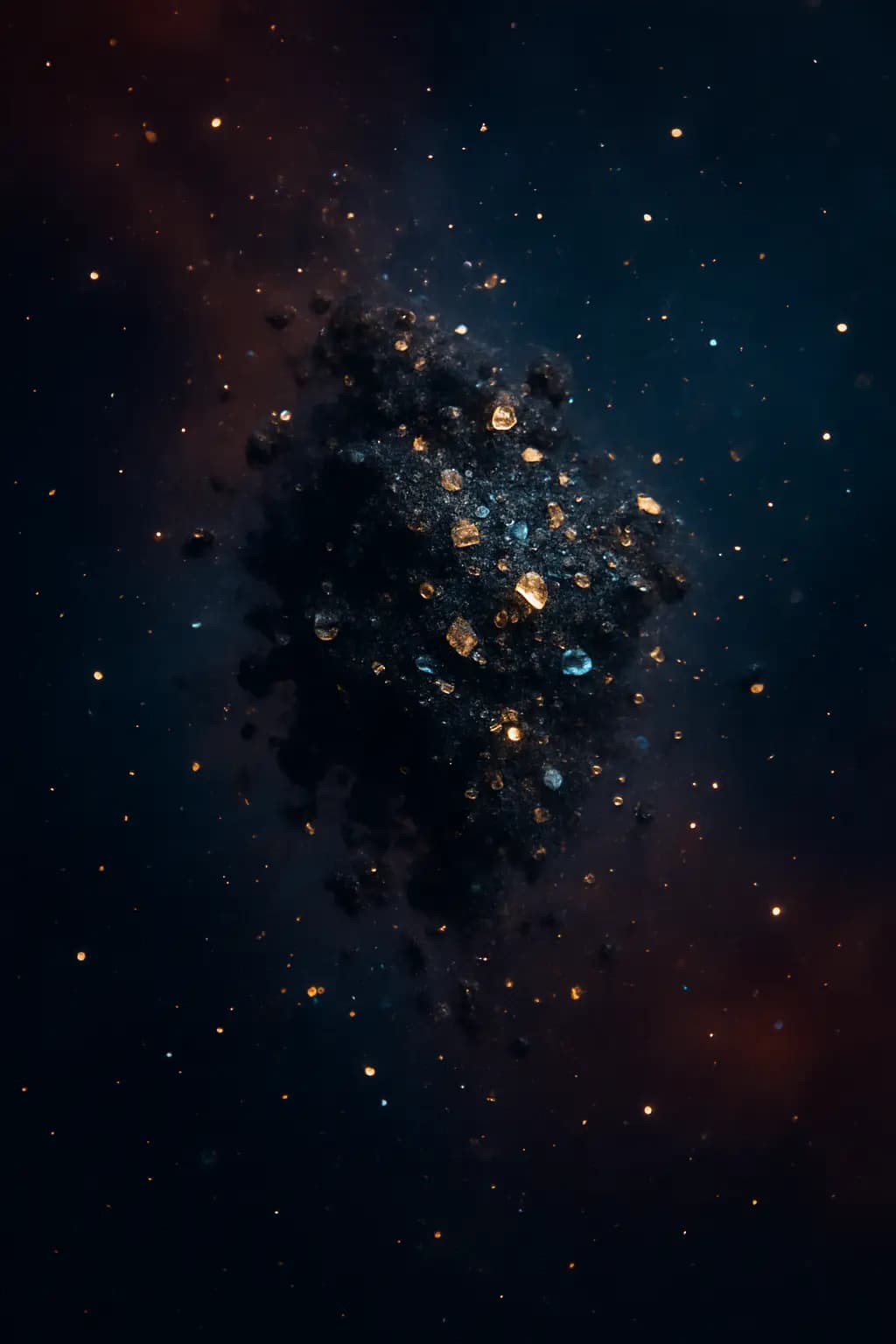
It all begins with a nebula — a vast cloud of gas and dust drifting through space. Over millions of years, gravity pulls this material together until it becomes dense enough to trigger nuclear fusion at its core. At that point, a star is born. Our own Sun is a middle-aged star, about 4.6 billion years old, and it will continue burning for roughly another five billion years. During its long life, it converts hydrogen into helium, releasing enormous amounts of energy as light and heat. This steady process is what makes life on Earth possible.
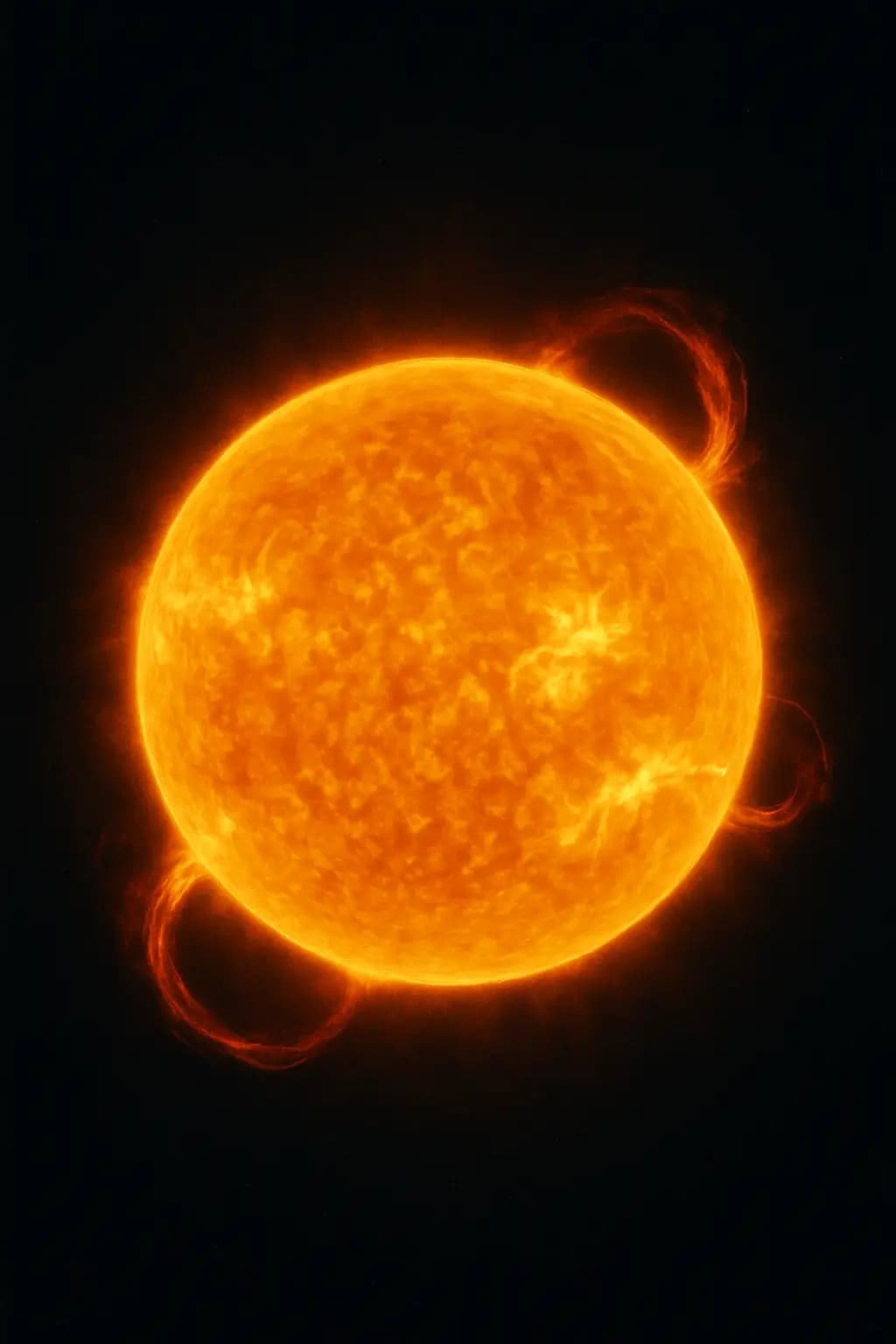
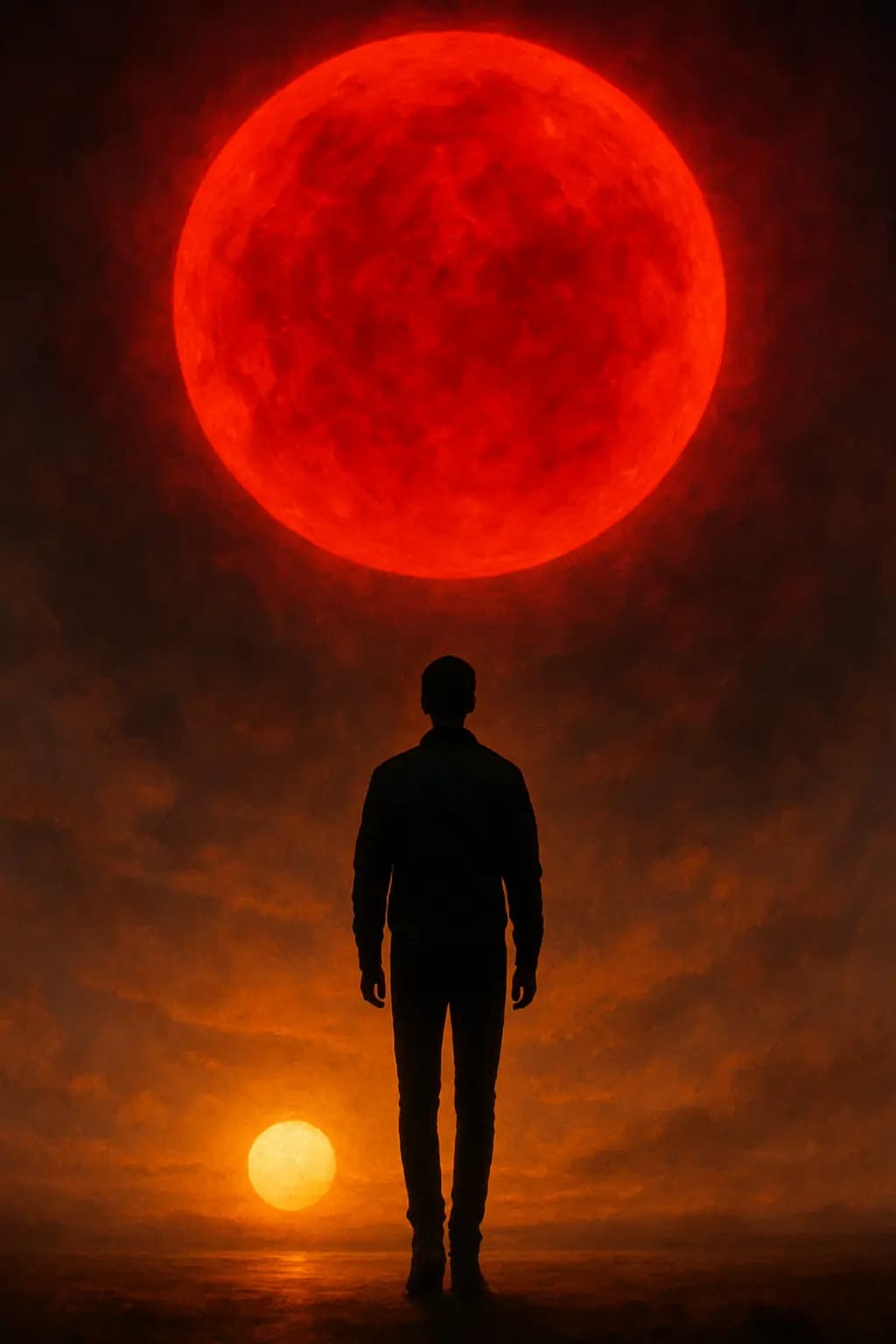
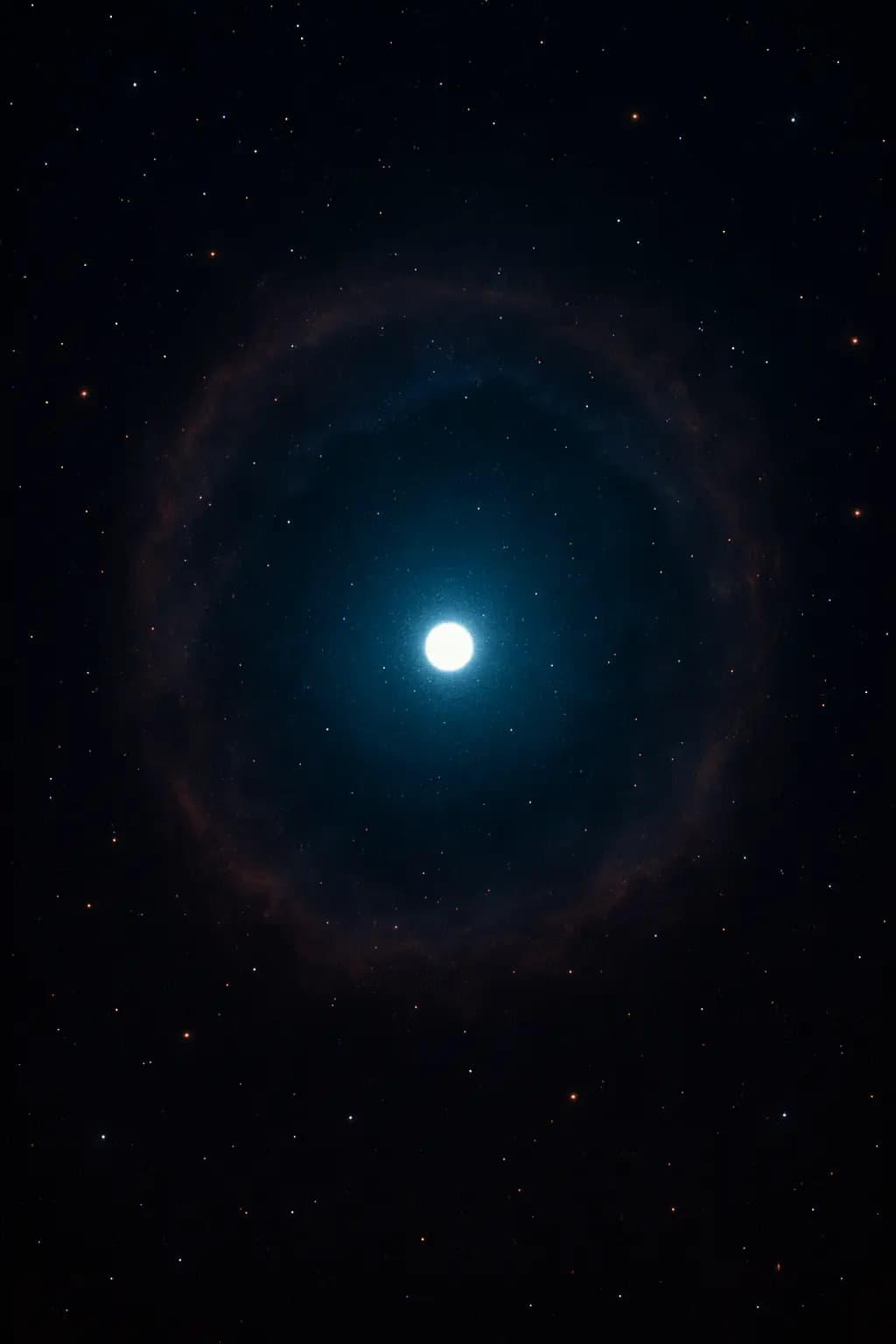
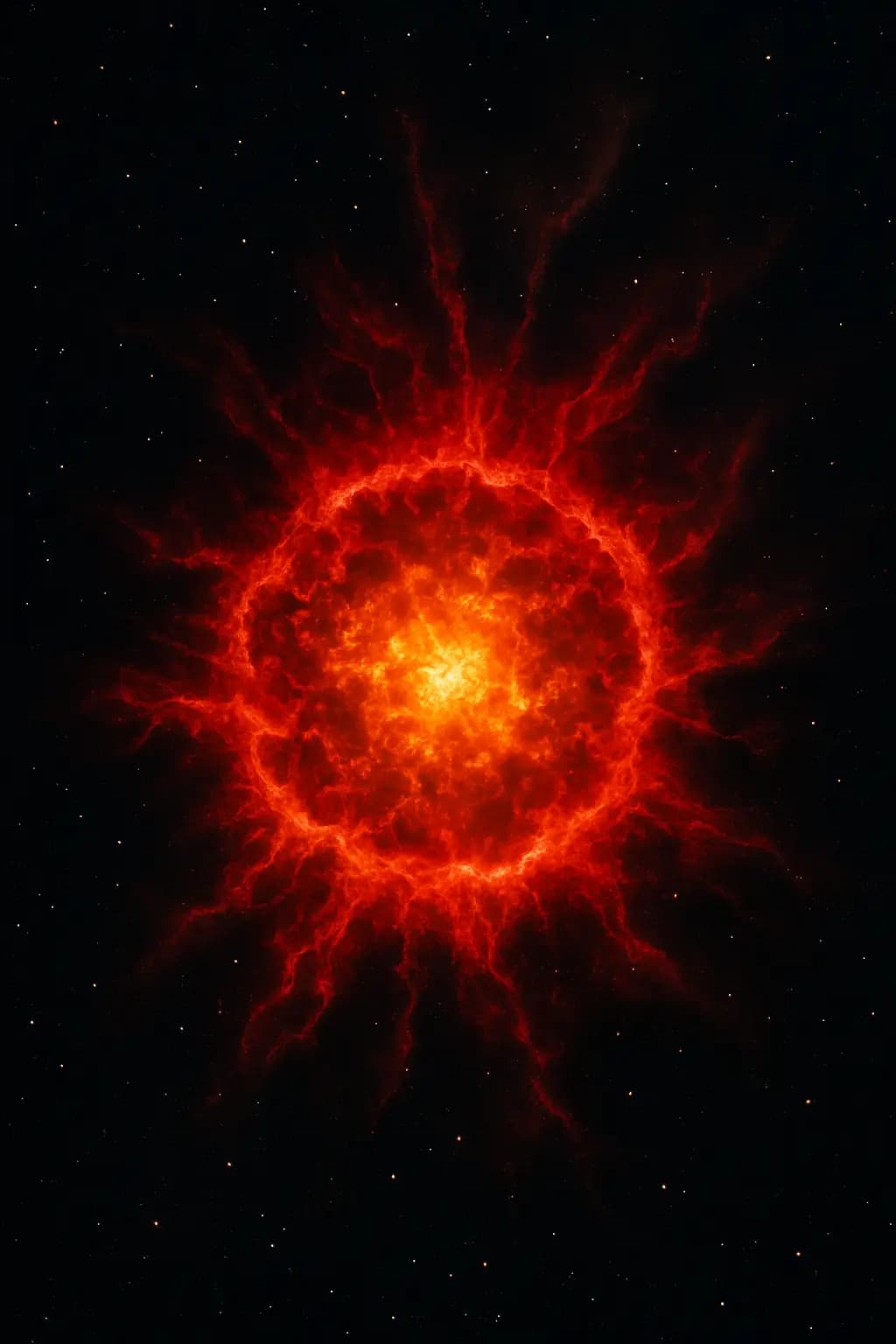
What happens at the end of a star's life depends on how massive it is. A star like our Sun will eventually swell into a red giant, swallowing nearby planets, before shedding its outer layers and leaving behind a dense, cooling object called a white dwarf. Heavier stars, however, go out with a bang — literally. They explode in a supernova, one of the most powerful events in the universe. These explosions scatter elements like iron and carbon across space, and those very elements became the building blocks of planets, oceans, and even us. In a very real sense, we are all made of stardust.