
The Slow Death of Small Talk and What We Lost With It
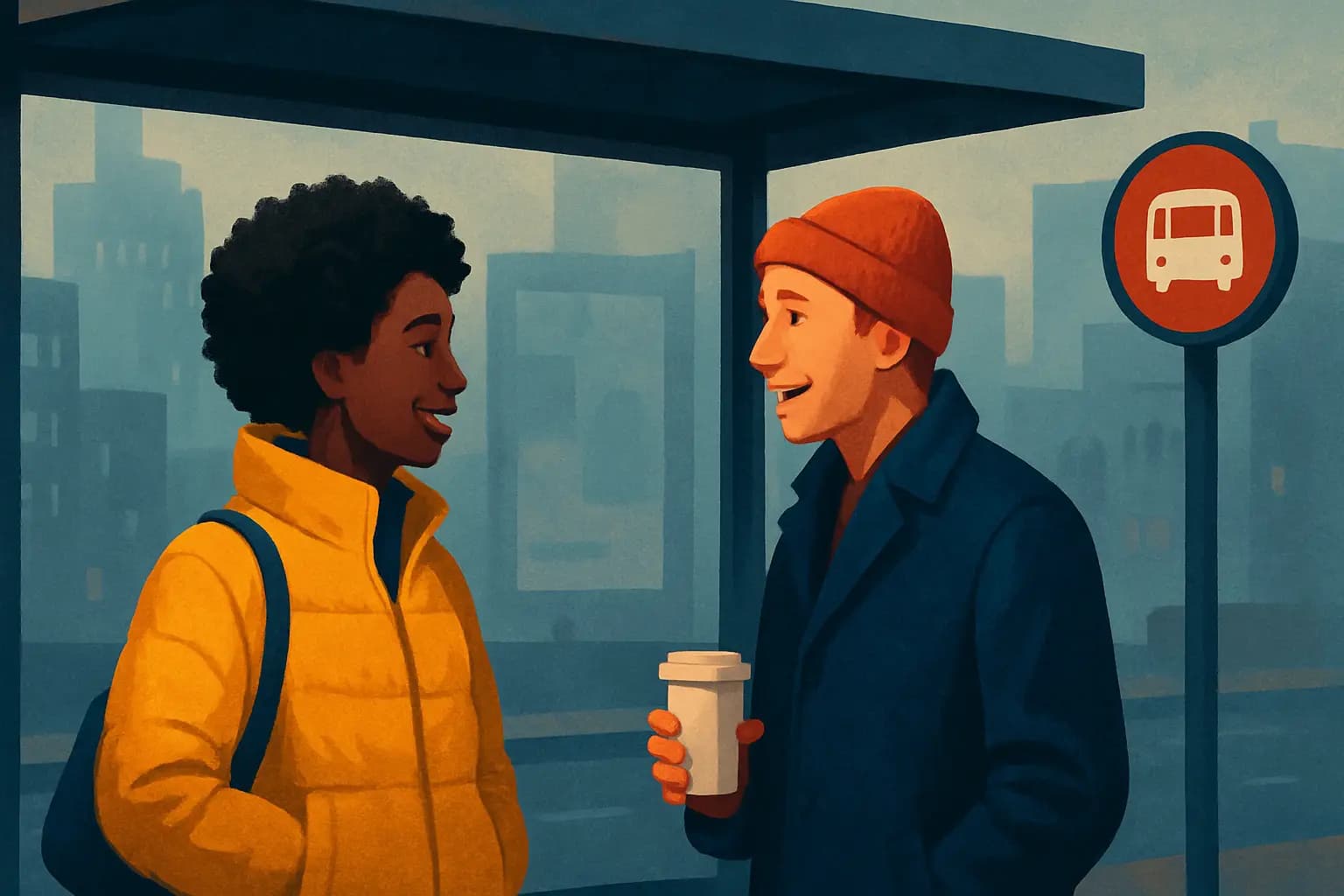
There was a time when exchanging pleasantries with a stranger on a bus or lingering at the office coffee machine felt entirely unremarkable. These brief, apparently inconsequential exchanges — comments about the weather, mild complaints about the commute, idle observations about nothing in particular — formed a kind of social tissue that held communities loosely but meaningfully together. Increasingly, however, that tissue is tearing, and the consequences may be more serious than most of us care to admit.
Sociologists have long distinguished between what they call "bonding" social capital, the deep ties forged with friends and family, and "bridging" social capital, the weak ties that connect us to people outside our immediate circles. Small talk, it turns out, is the primary currency of bridging capital. It is precisely because these exchanges cost us so little — no vulnerability, no commitment, no history — that they perform a function that deeper relationships cannot: they remind us that the world beyond our inner circle is, on the whole, peopled with individuals who are recognisably human and largely well-intentioned.

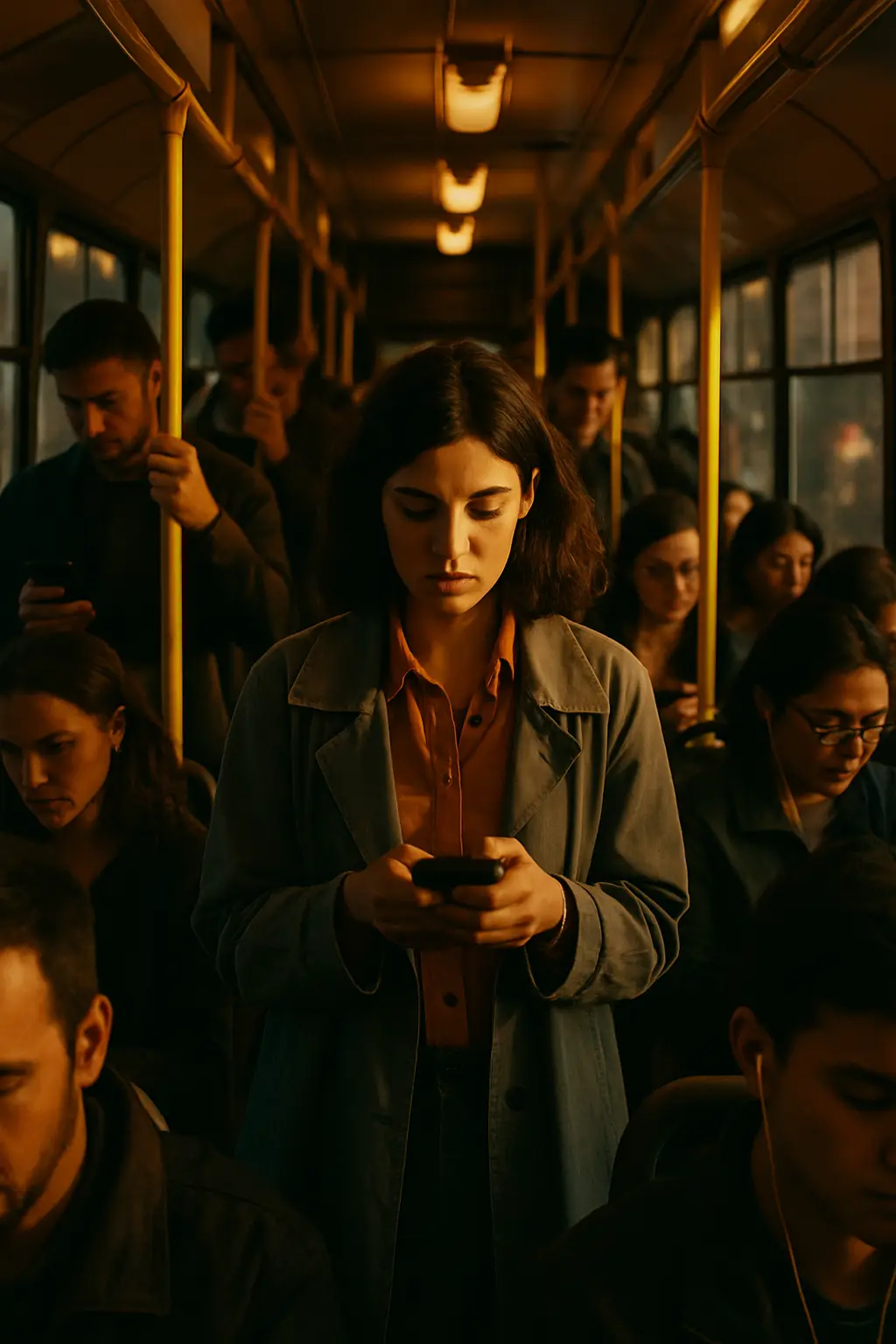
The forces dismantling this culture are well-documented. Smartphones have furnished us with an always-available escape hatch from social discomfort. Open-plan offices, despite their stated aim of fostering collaboration, paradoxically drove workers to headphones and hushed voices, fearing the judgment of fifty nearby strangers. The pandemic, for all its complexity, accelerated a pre-existing withdrawal: remote work normalised the idea that professional interaction could be transactional, scheduled, and finite. And if every conversation must be purposeful, small talk starts to feel like an indulgence — or worse, an imposition.

Yet the evidence that we are paying a price for its disappearance is mounting. Research consistently links incidental social contact — the sort you cannot engineer or schedule — to reduced feelings of loneliness and even to measurable improvements in cognitive function. A brief exchange with a barista or a neighbour activates areas of the brain associated with reward in ways that scrolling through curated content conspicuously fails to do. More broadly, when people stop practising low-stakes conversation, they report a rising discomfort with social situations generally, a kind of atrophying of the very faculty that makes public life navigable.

What makes this particularly tricky to address is that small talk cannot be mandated or monetised; it is, by definition, voluntary and structurally inefficient. You cannot build an app for it — or rather, every app that has tried has produced something that shares small talk's form while missing its entire point. Its value lies precisely in its unexpectedness and its lack of utility. Recovering it may require nothing more dramatic than resisting the reflex to reach for a phone at the first moment of social friction, choosing instead to let a moment of mild awkwardness ripen, unpredictably, into something human.