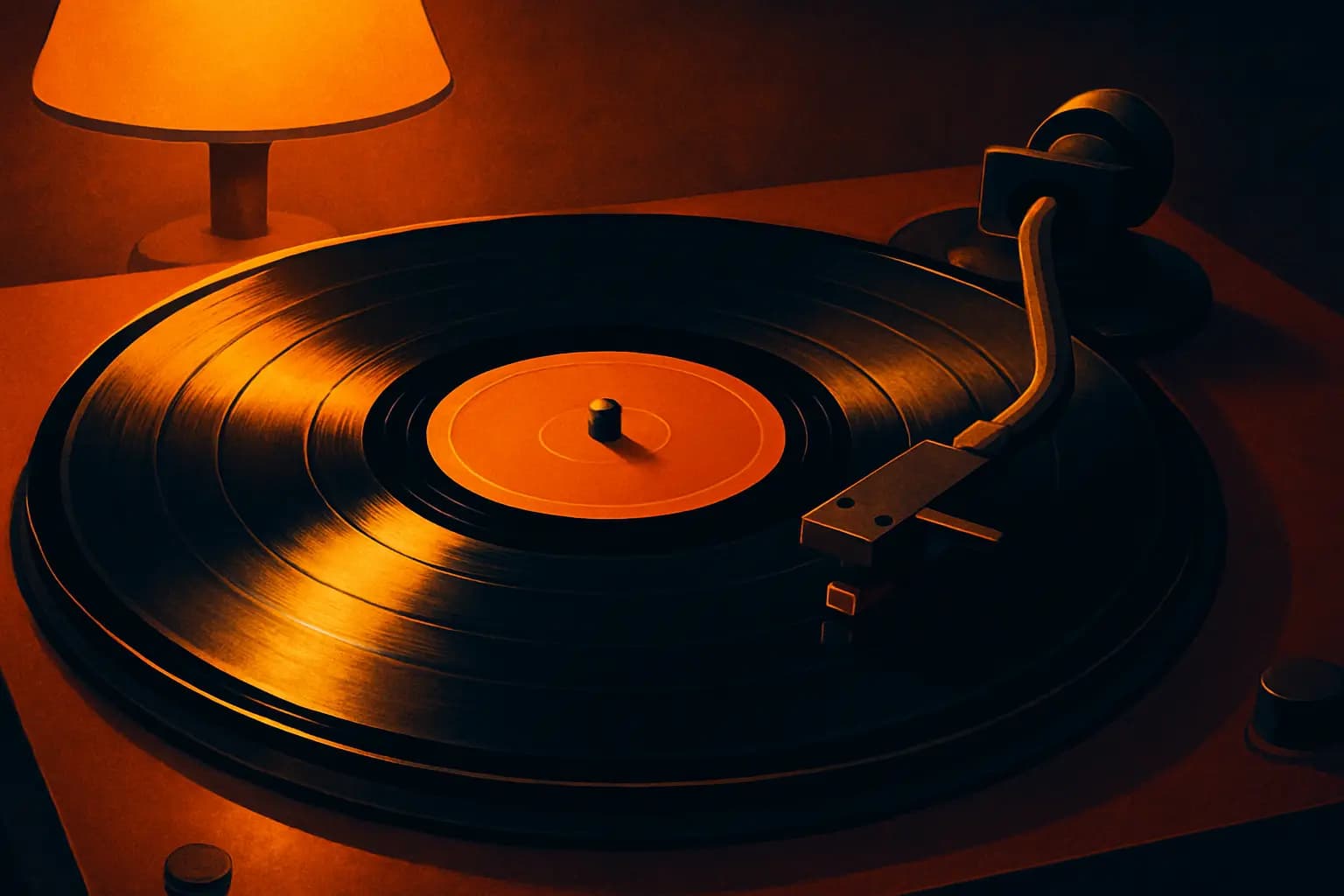
The Vinyl Revival: Why Analogue Sound Refuses to Die
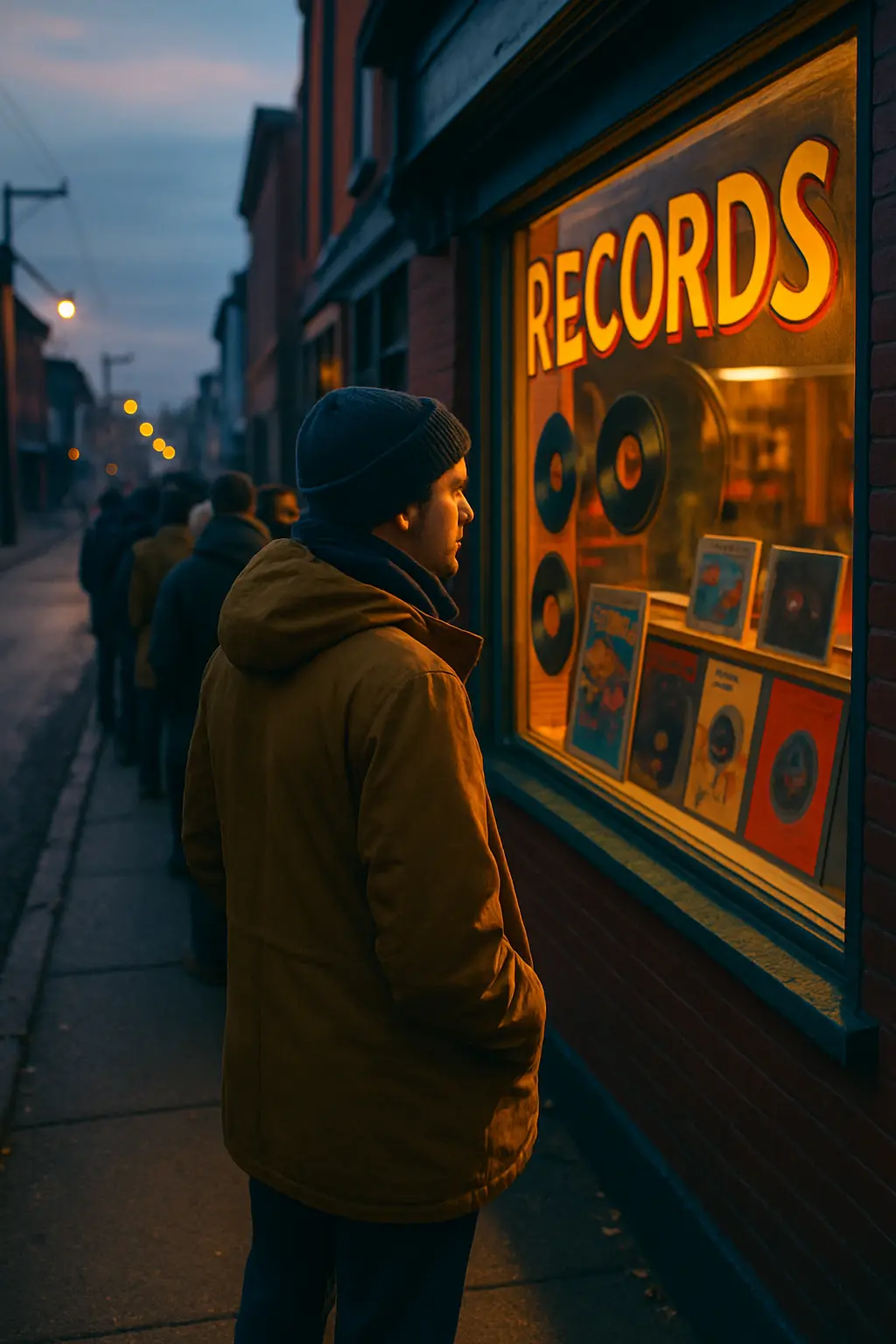
There is something almost paradoxical about the resurgence of vinyl records in an era defined by algorithmic playlists and lossless digital streaming. Yet for the third consecutive decade since its supposed obsolescence, the vinyl market continues to expand, outselling CDs in several major markets and attracting buyers who have never known a world without the internet. The phenomenon invites a question that is equal parts cultural and sonic: what exactly is it that a record offers that a file cannot?
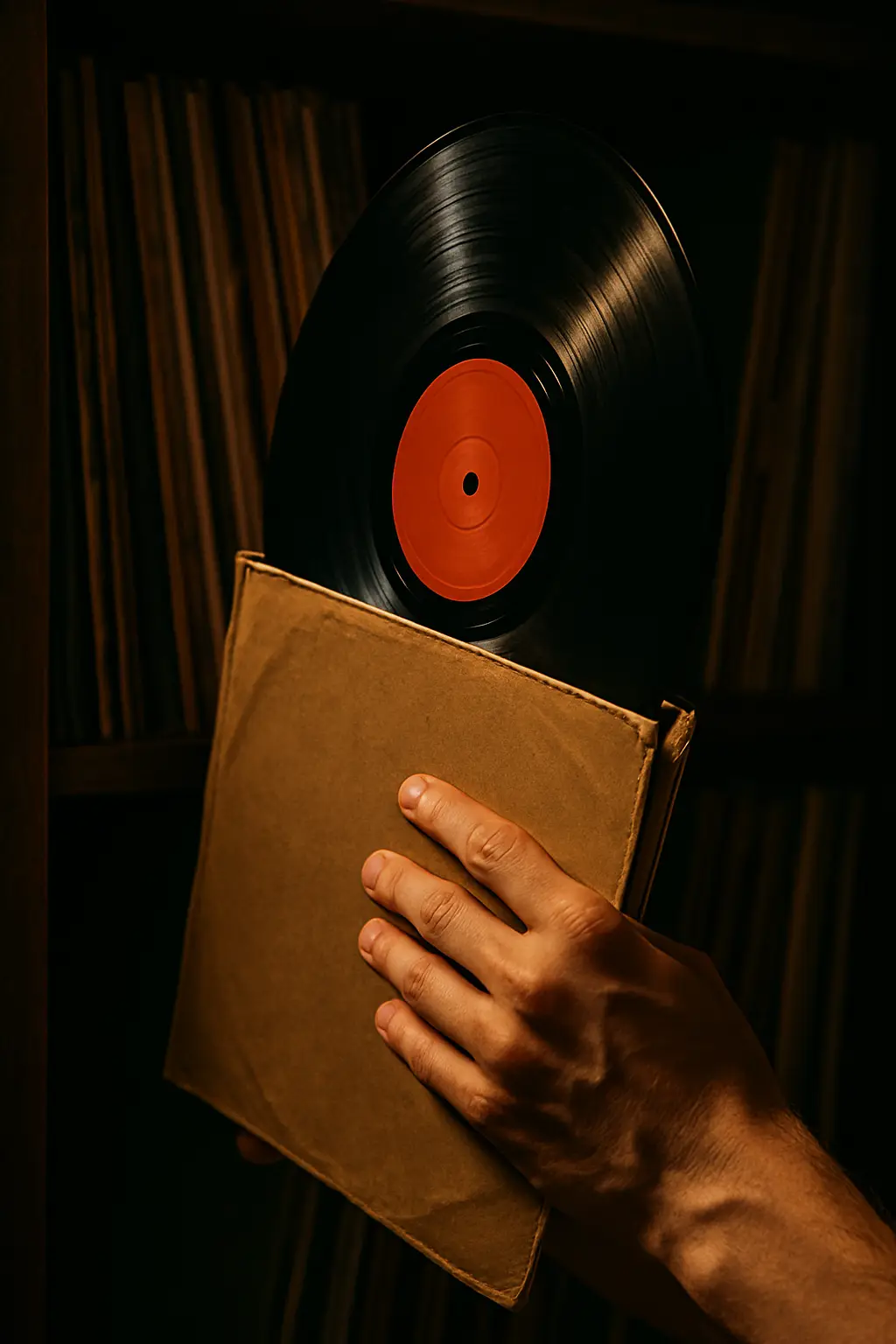
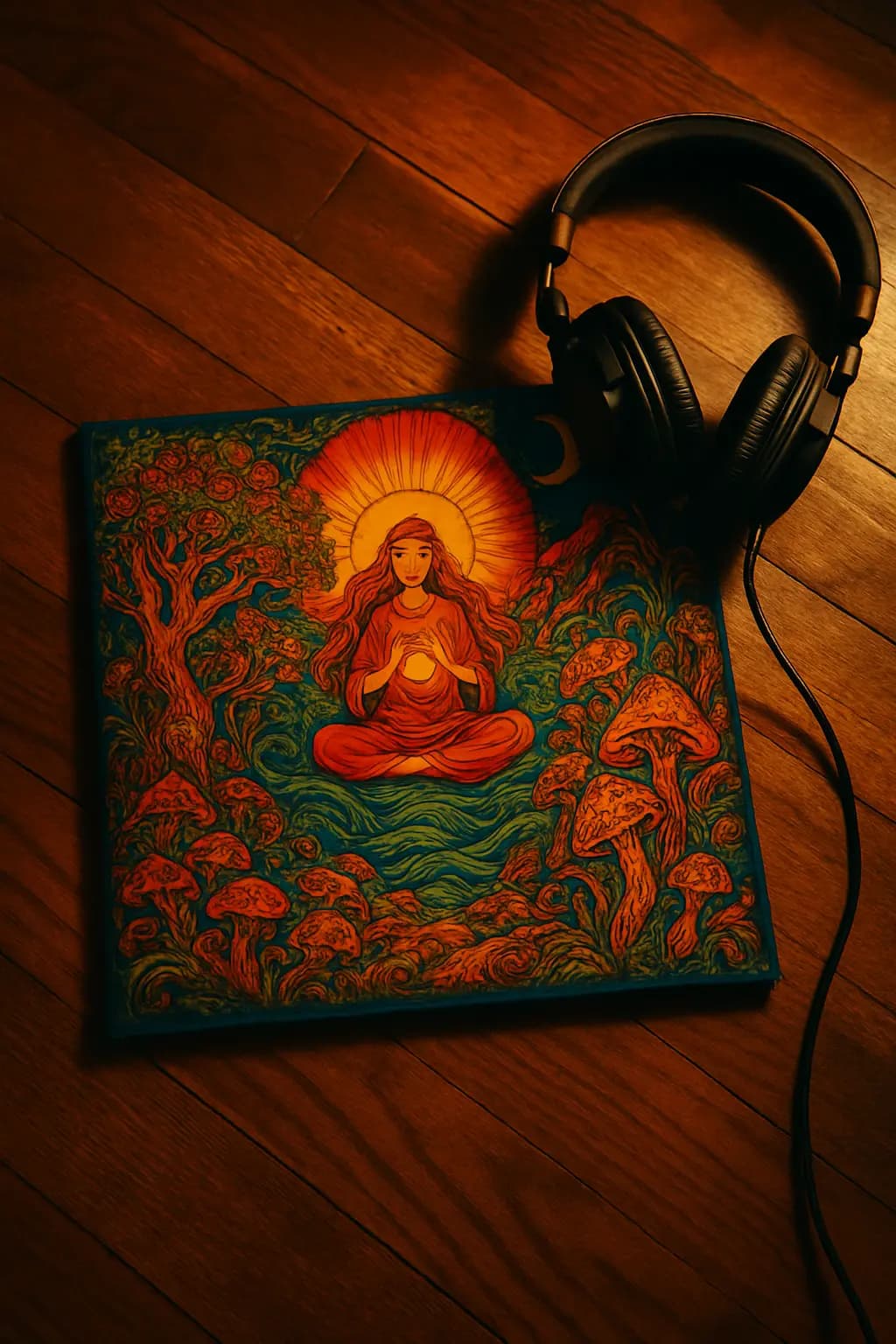
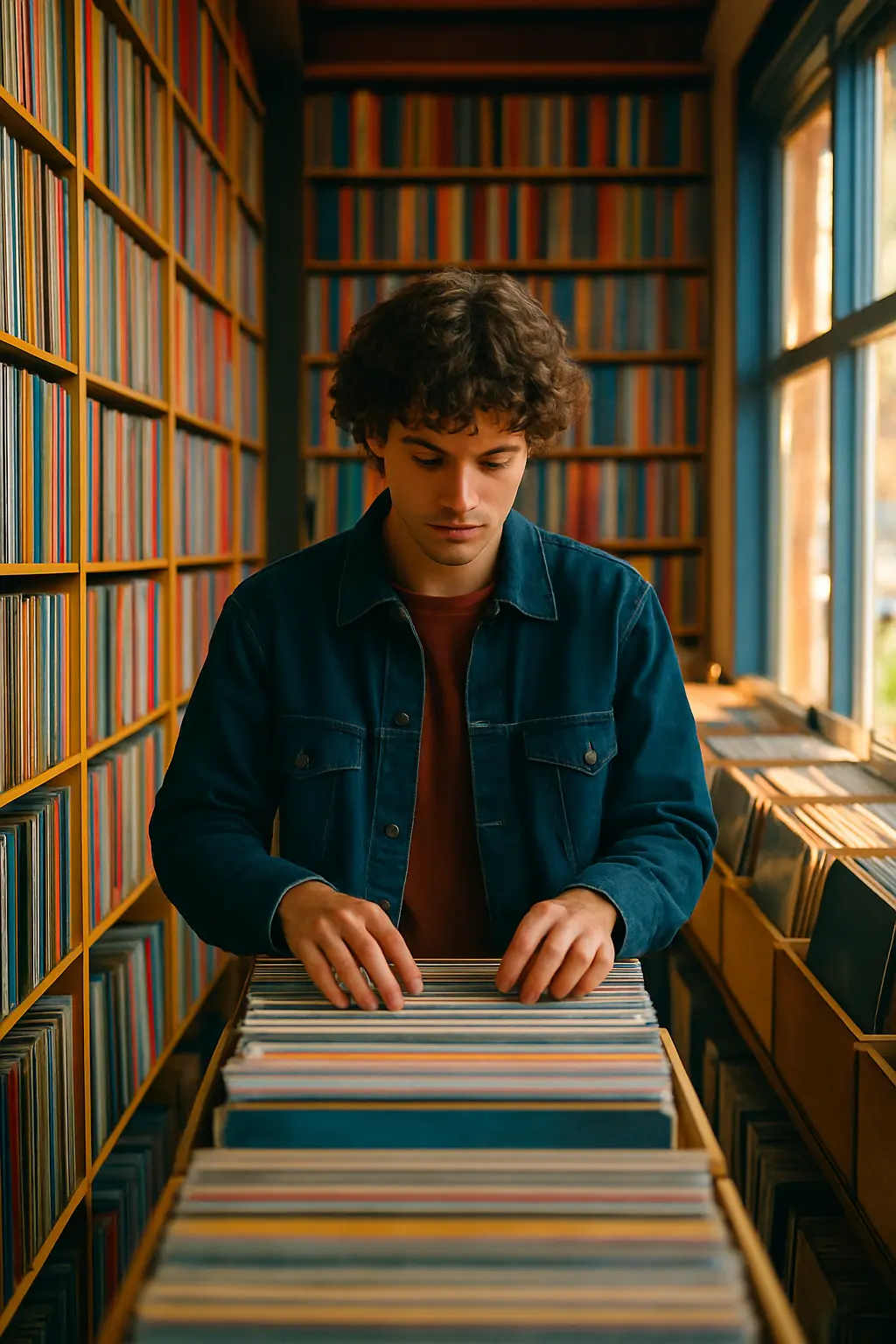
The most immediate answer centres on ritual. Removing an album from its sleeve, lowering a stylus onto a groove, and committing to an uninterrupted listening experience — these are deliberate acts in a culture that prizes frictionlessness. Digital consumption encourages skipping, shuffling, and the compulsive optimisation of mood through algorithms. Vinyl resists all of that. It demands patience and rewards attention, functioning less like a utility and more like a ceremony. For many listeners, that friction is not a drawback but the entire point.
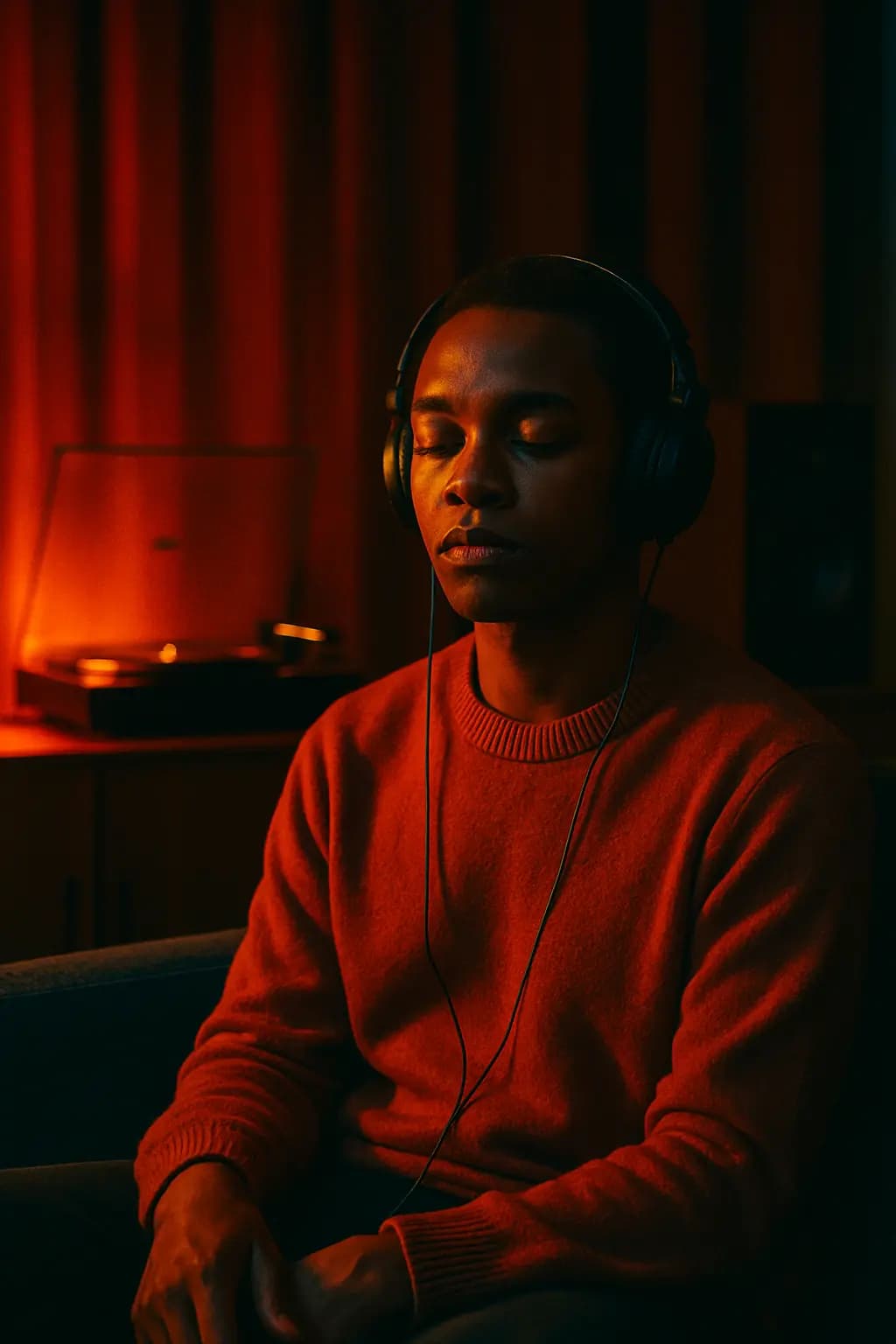
Then there is the auditory dimension, which inspires fierce and ongoing debate. Audiophiles maintain that analogue recording captures waveforms in their entirety, preserving subtleties that digital sampling, however high its resolution, necessarily discards. Sceptics counter that most human ears cannot perceive the difference in controlled conditions, and that the warmth listeners attribute to vinyl is partly a product of harmonic distortion — imperfection romanticised into aesthetic virtue. Both camps make defensible points, which perhaps explains why the argument never fully resolves. What is clear is that the perception of warmth is real, regardless of its precise acoustic origin, and perception shapes experience as powerfully as physics does.