The Luthier's Paradox: Why Guitar-Making Is More Philosophy Than Craft
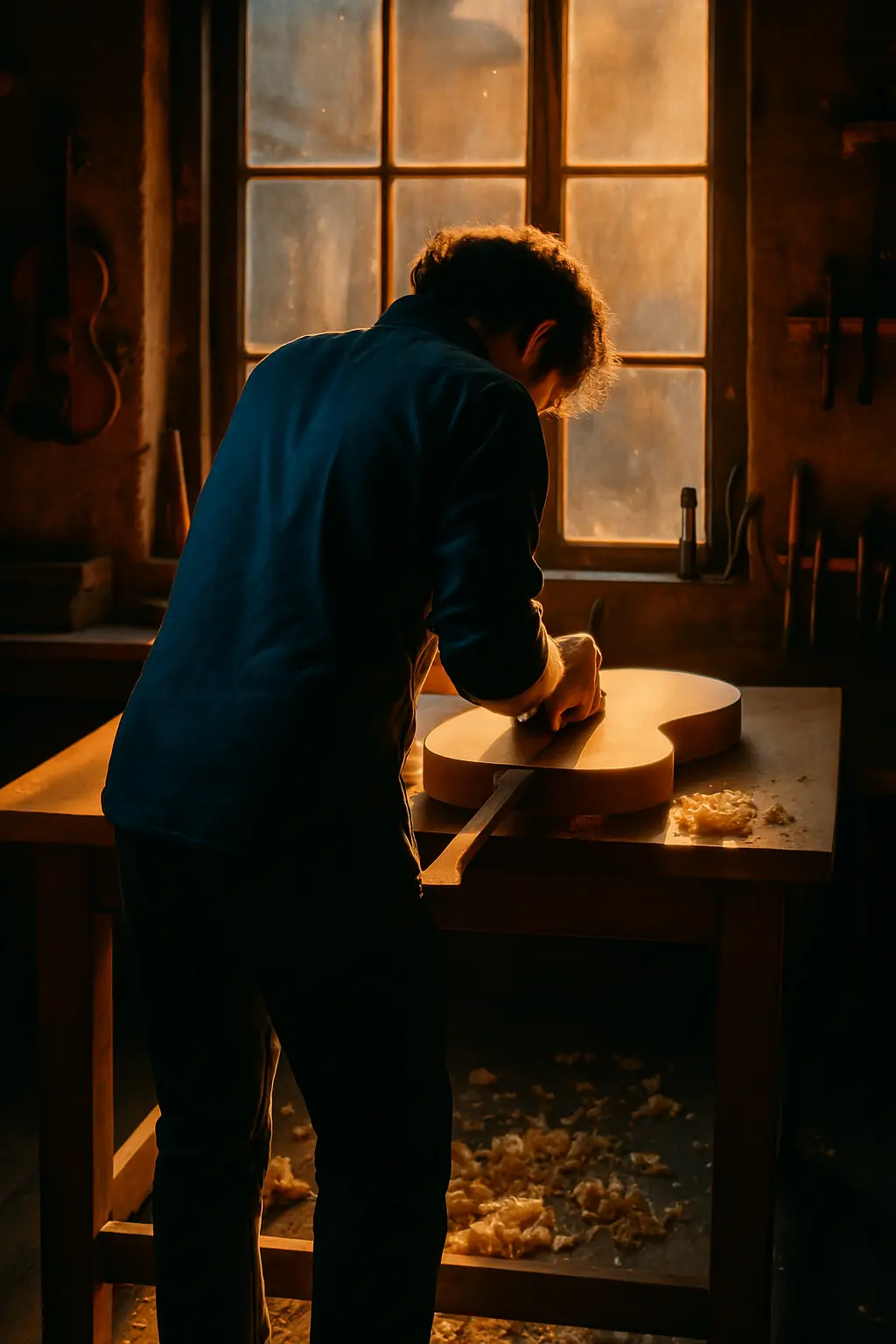
There is a particular kind of maker who spends months shaping a single object destined to outlive them by centuries. The luthier — the craftsperson who builds stringed instruments, most famously the classical guitar — occupies a peculiar position at the intersection of artisan tradition and acoustic science. To watch one at work is to understand, almost viscerally, that the line between making something and understanding something is thinner than it first appears.
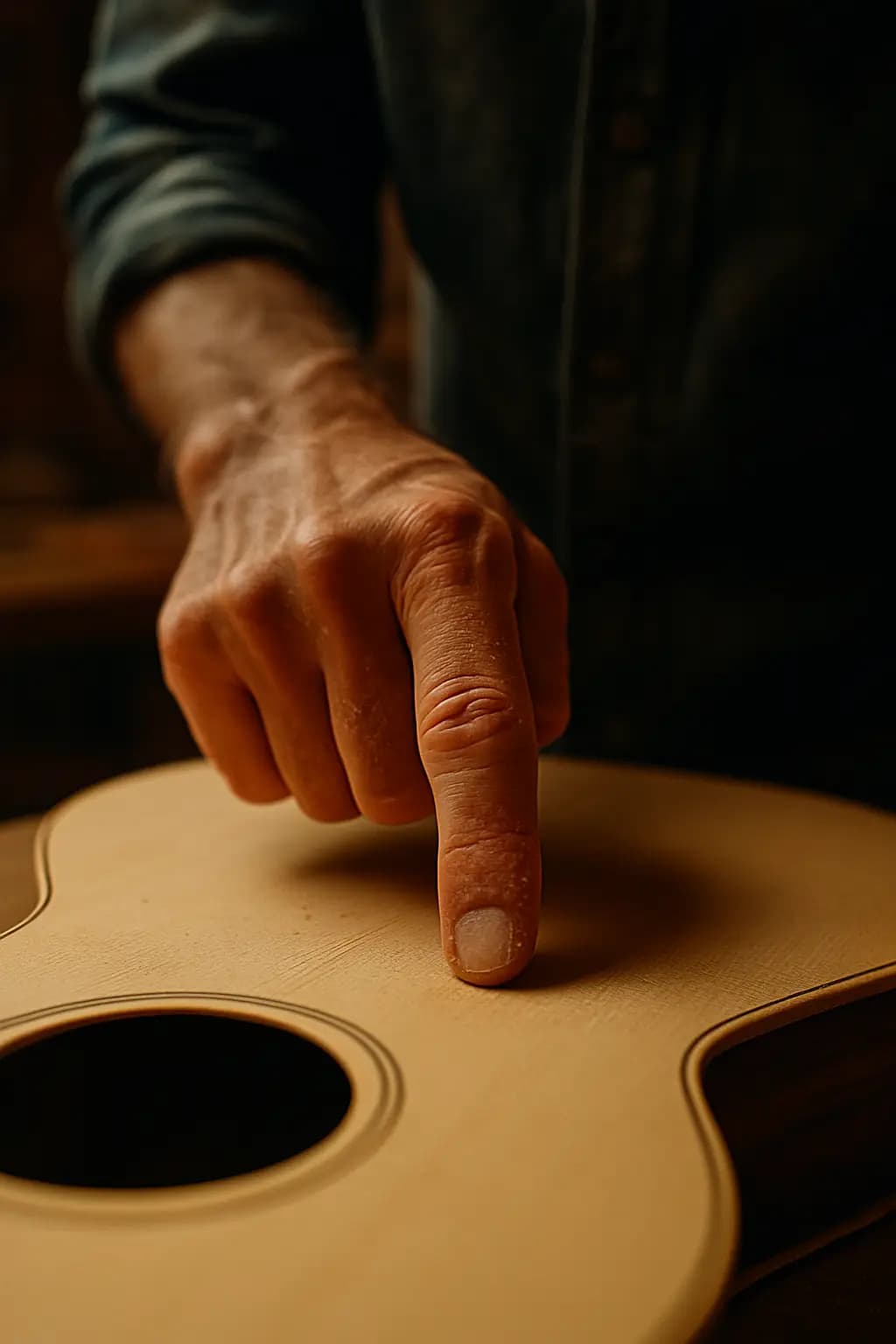
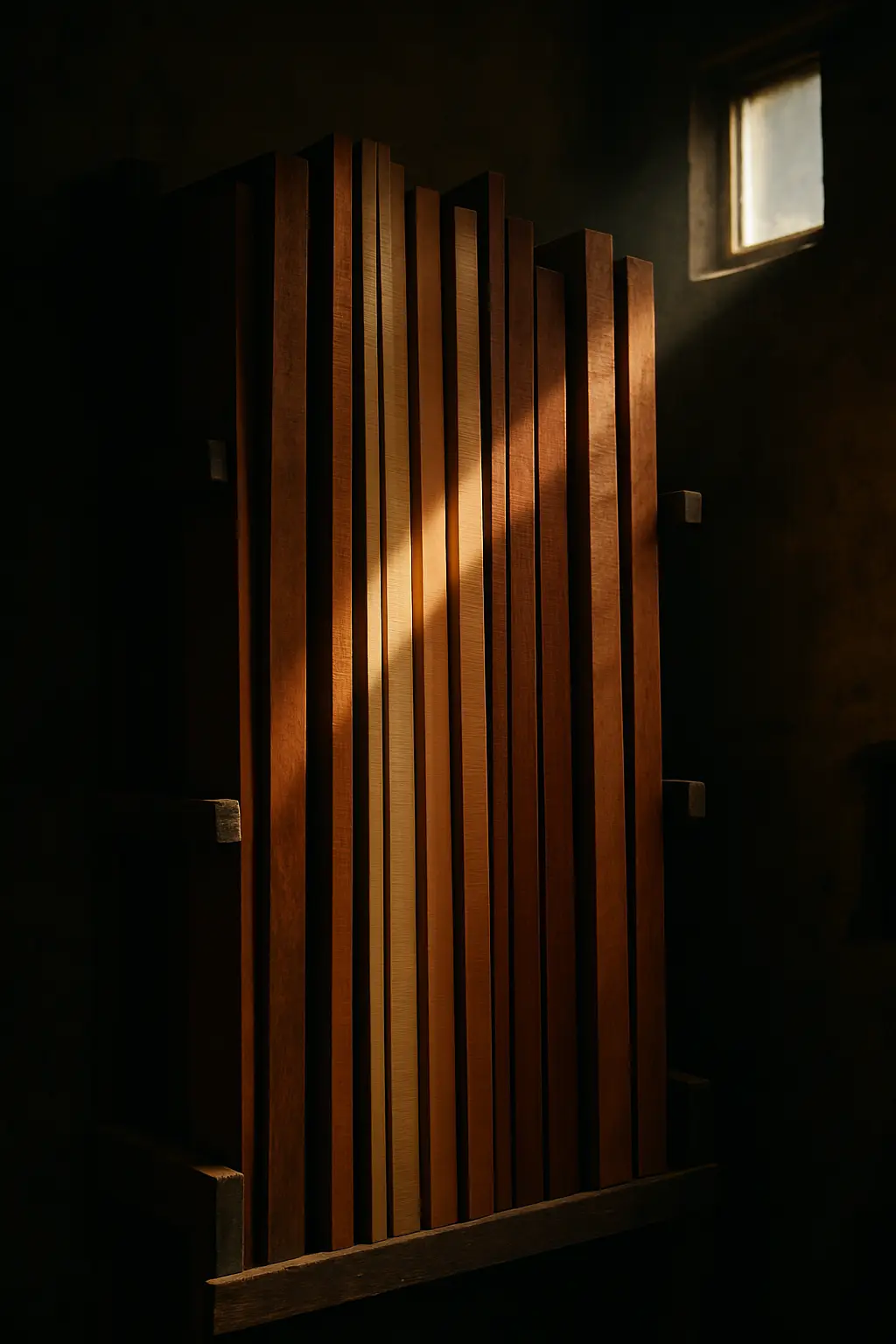
The paradox at the heart of lutherie is that the most critical variable in the process is also the least controllable: wood. Every piece of spruce or cedar selected for a soundboard carries its own idiosyncratic history — decades of drought and abundance encoded in its growth rings, shaping its stiffness, resonance, and responsiveness to vibration. A master luthier taps a potential soundboard with a knuckle and listens. This percussive test, crude in appearance, is in practice a sophisticated aural assessment. The wood talks; the maker has to know how to listen. No digital instrument replicates this conversation, which is precisely why experienced luthiers remain irreplaceable despite the automation of so many adjacent crafts.
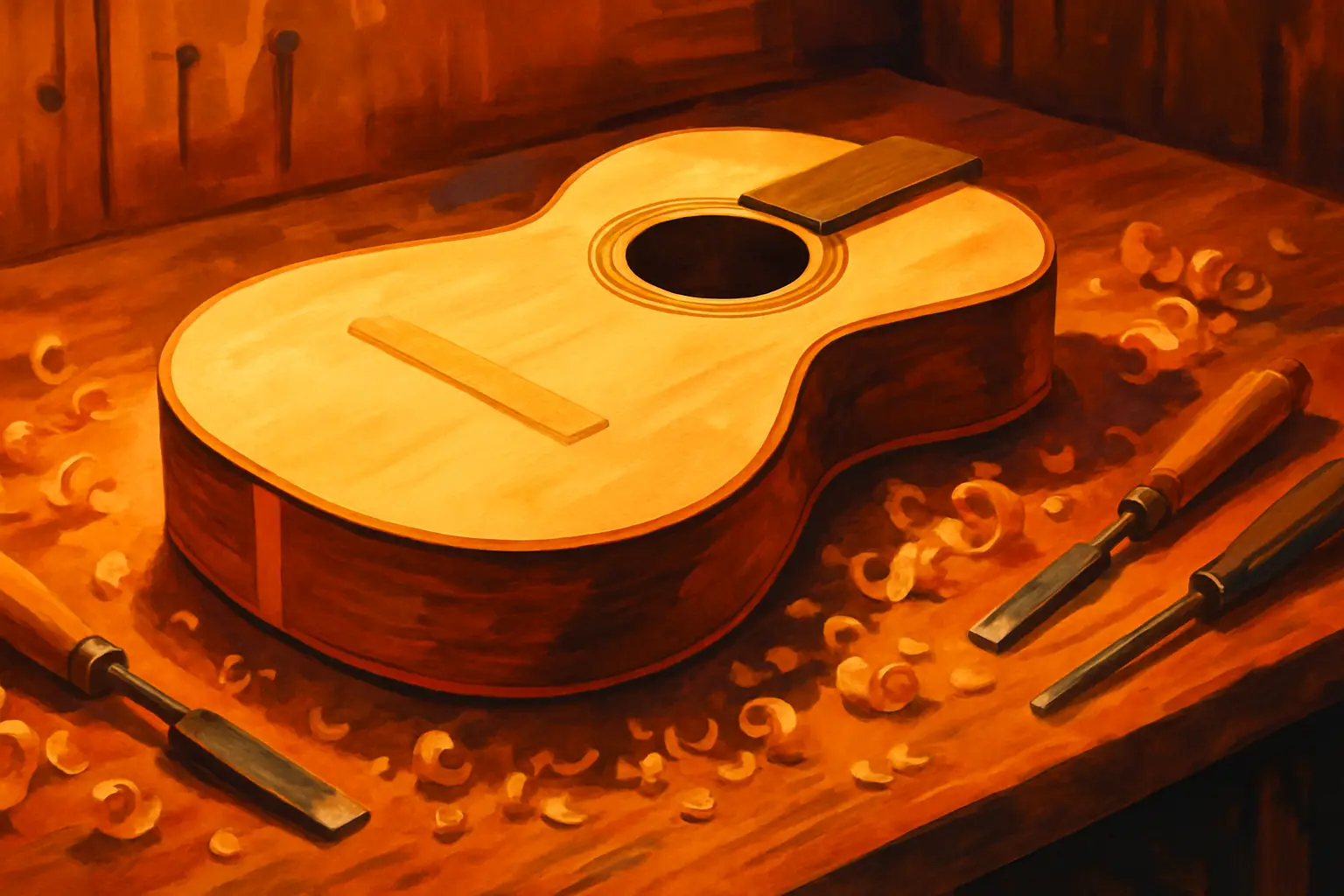
Beyond raw material, the luthier must hold in mind a breathtaking number of competing priorities simultaneously. The arch of the back, the thickness graduation of the top, the placement of internal bracing struts — each decision cascades into every other. Adjusting the brace geometry to increase projection risks narrowing tonal warmth; thinning the top for greater sensitivity may sacrifice structural longevity. This is not merely technical problem-solving; it is closer to three-dimensional thinking in time, because the maker must anticipate how the instrument will change as it ages, opens up, and settles into its voice over years of playing.
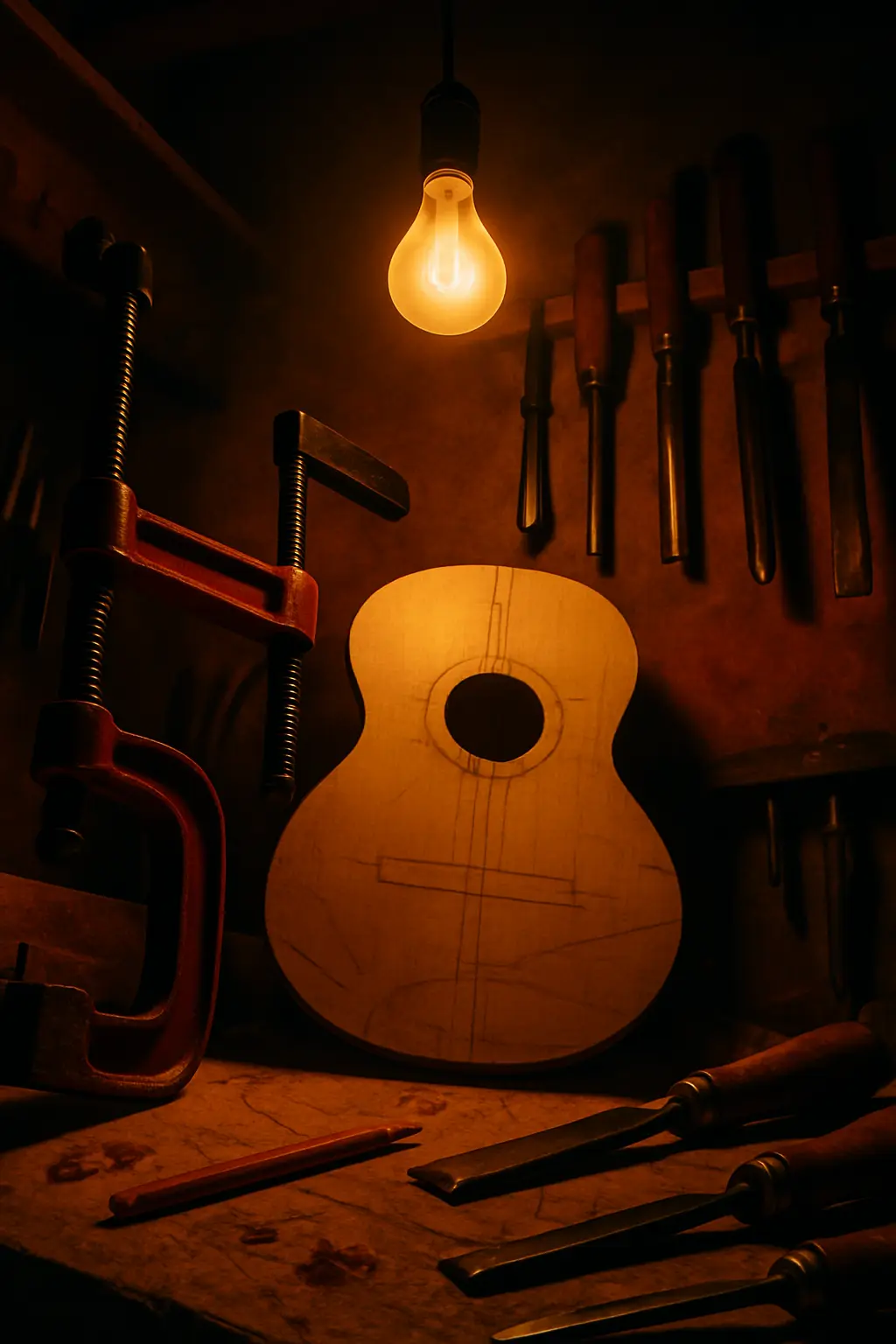
What distinguishes the finest luthiers from the merely competent is arguably a capacity for productive restraint. The temptation, particularly for those trained in other woodworking disciplines, is to impose intention on recalcitrant material — to sand away what feels wrong rather than to ask why the wood is behaving unexpectedly. The best makers describe a process of negotiation rather than command. They speak of coaxing rather than forcing, of remaining open to surprises the material offers. In this respect, lutherie demands the same intellectual humility that characterises good science or good translation: the recognition that the object has a logic of its own that the maker's ego must not override.

It is tempting to romanticise this, and perhaps to some degree the romance is warranted. But what strikes the careful observer most forcefully is not mysticism — it is discipline. Every intuitive leap a skilled luthier makes rests on thousands of hours of accumulated, embodied knowledge. The tap of the knuckle is only meaningful because the ear has been trained through long years of failure and refinement. The instrument that emerges is not a record of inspiration alone, but of sustained, attentive practice: a philosophy, rendered in wood and string.