
When Craft Meets Concept: The Rise of Functional Art
There has always been an uneasy tension between art and utility. For much of Western art history, the two were treated as distinct — even opposing — disciplines: design solved problems, while fine art asked questions. Yet over the past few decades, that boundary has grown increasingly blurred, giving rise to a vibrant movement that refuses to choose between the beautiful and the useful.
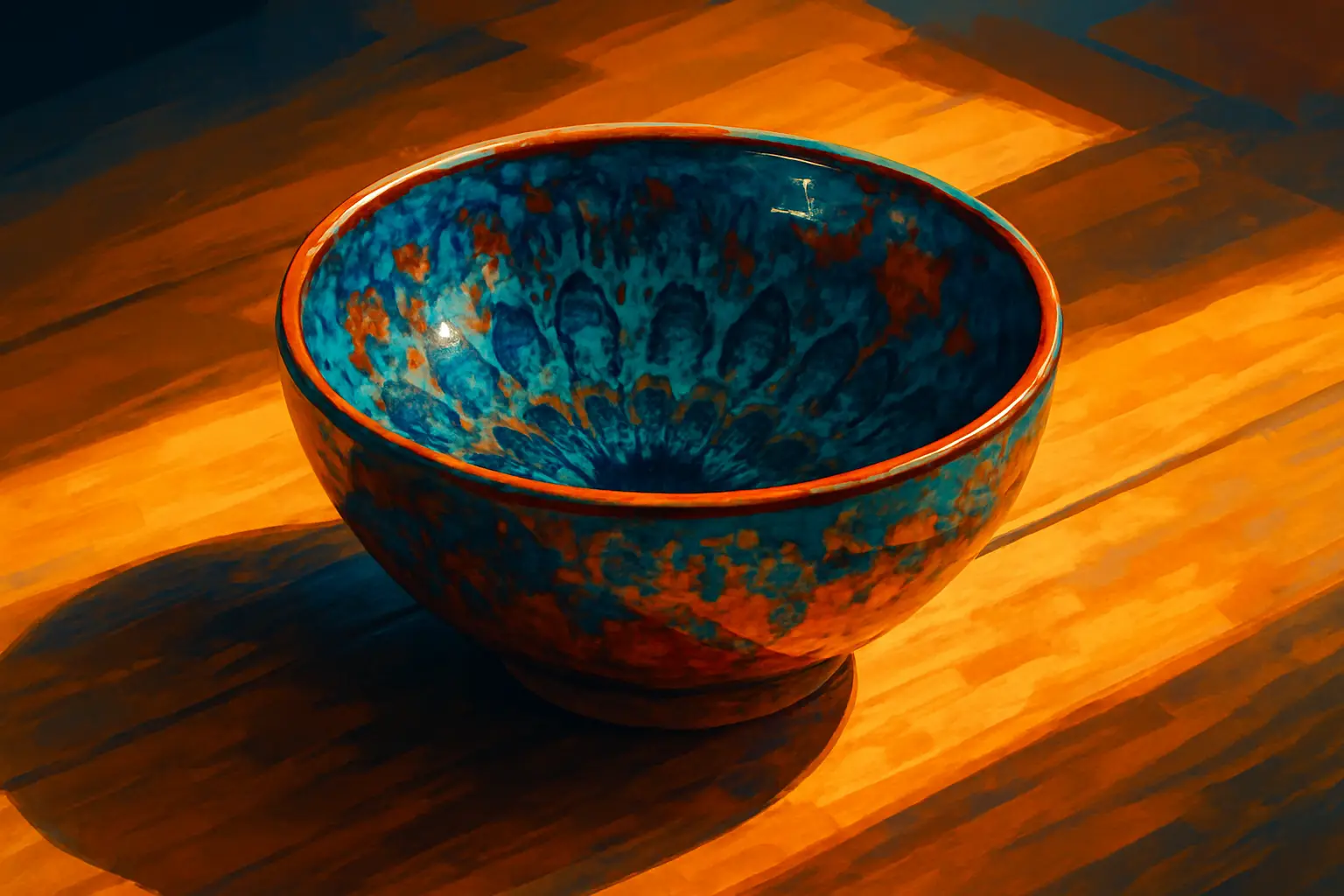
Functional art — sometimes called 'craft art' or 'art objects' — encompasses work that is both aesthetically ambitious and physically purposeful. Think of a hand-thrown ceramic bowl glazed with landscapes worthy of a gallery wall, or a lamp whose silhouette doubles as a sculptural statement. Unlike purely decorative pieces, these objects are intended to be touched, used, and lived with. Their creators argue that daily interaction with beautiful, considered objects enriches human experience in ways that gallery visits alone cannot.
The movement draws energy from several converging forces. A growing disillusionment with mass production has pushed many consumers toward handmade goods that carry a maker's visible fingerprints. At the same time, social media platforms have given independent craftspeople unprecedented reach, allowing a ceramicist in a rural studio to cultivate a global following. Academic institutions, too, have begun closing the hierarchical gap between fine art and applied craft programmes, acknowledging that the division was always more ideological than practical.
Critics, however, raise a legitimate concern: when utility enters the frame, does artistic integrity suffer? There is a long-standing suspicion that objects designed to sell — to sit on a shelf, hold a candle, or pour a drink — must inevitably compromise their conceptual ambition. Proponents counter that constraints have always generated creativity; the sonnet's rigid form did not diminish Shakespeare, and a bowl's circular rim need not diminish its maker's vision. If anything, the requirement to function demands a deeper understanding of material, weight, and human proportion.
What functional art ultimately challenges is our inherited habit of placing art on a pedestal — metaphorically and literally. It insists that meaning need not be confined to museums, and that the most profound encounters with beauty might occur at the breakfast table.