The Battery Problem: Why Your Phone Dies Before the Day Does
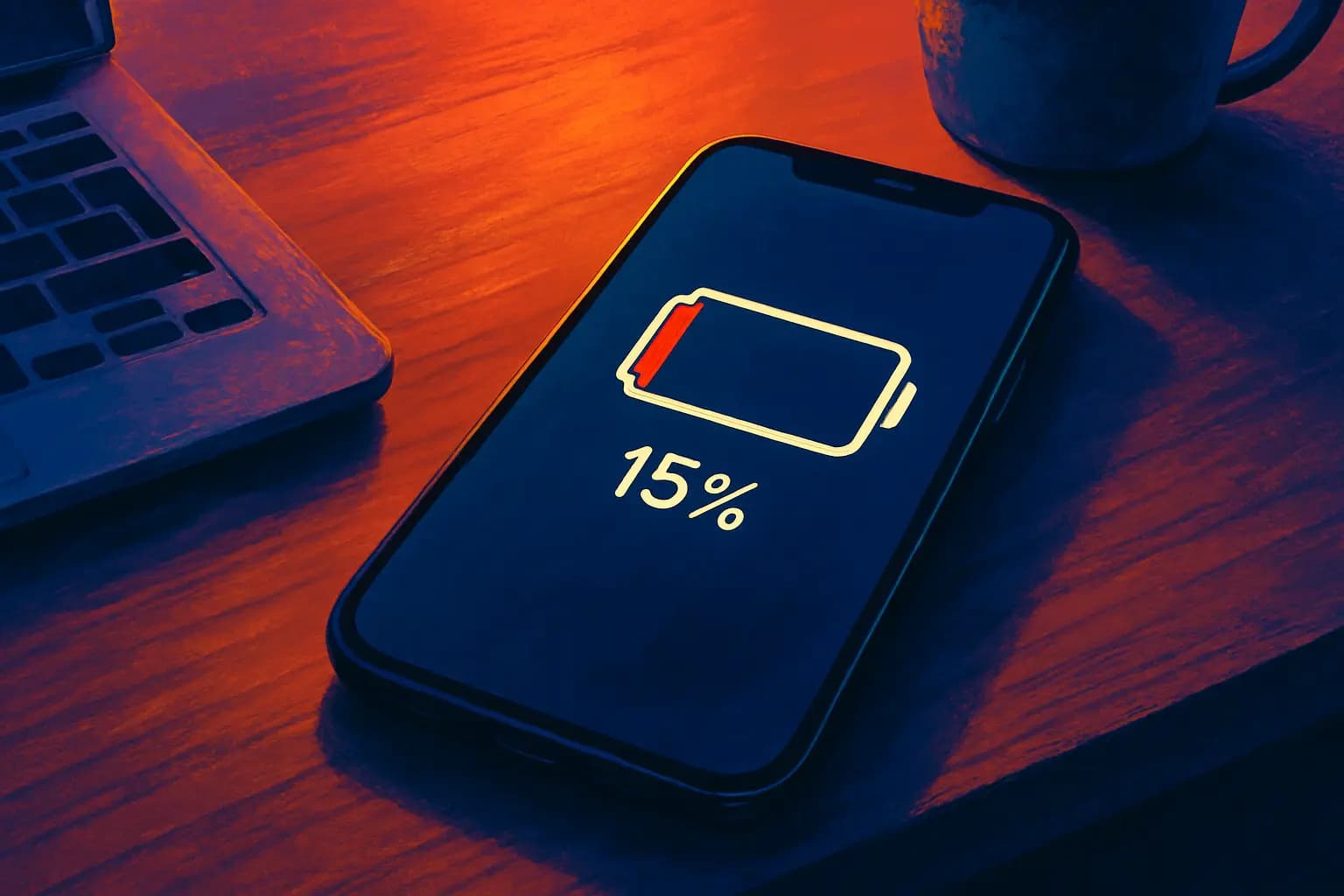
There is a quiet frustration shared by millions of people around the world: glancing at your phone mid-afternoon to find the battery already gasping at fifteen percent. Despite decades of remarkable progress in computing power, camera technology, and wireless connectivity, the humble battery has stubbornly refused to keep pace. Why, in an era of such extraordinary innovation, do our devices still struggle to last a full day?

The core challenge lies in the chemistry of lithium-ion batteries, which power almost every consumer device on the market. These batteries store energy by shuffling lithium ions between two electrodes, a process that is inherently limited in the amount of energy it can pack into a small space. Engineers have gradually squeezed more capacity out of existing designs, but they are approaching the theoretical ceiling of what lithium-ion chemistry can achieve. Meanwhile, the demands placed on batteries have surged — brighter screens, always-on connectivity, and increasingly sophisticated processors all devour energy at a relentless rate.
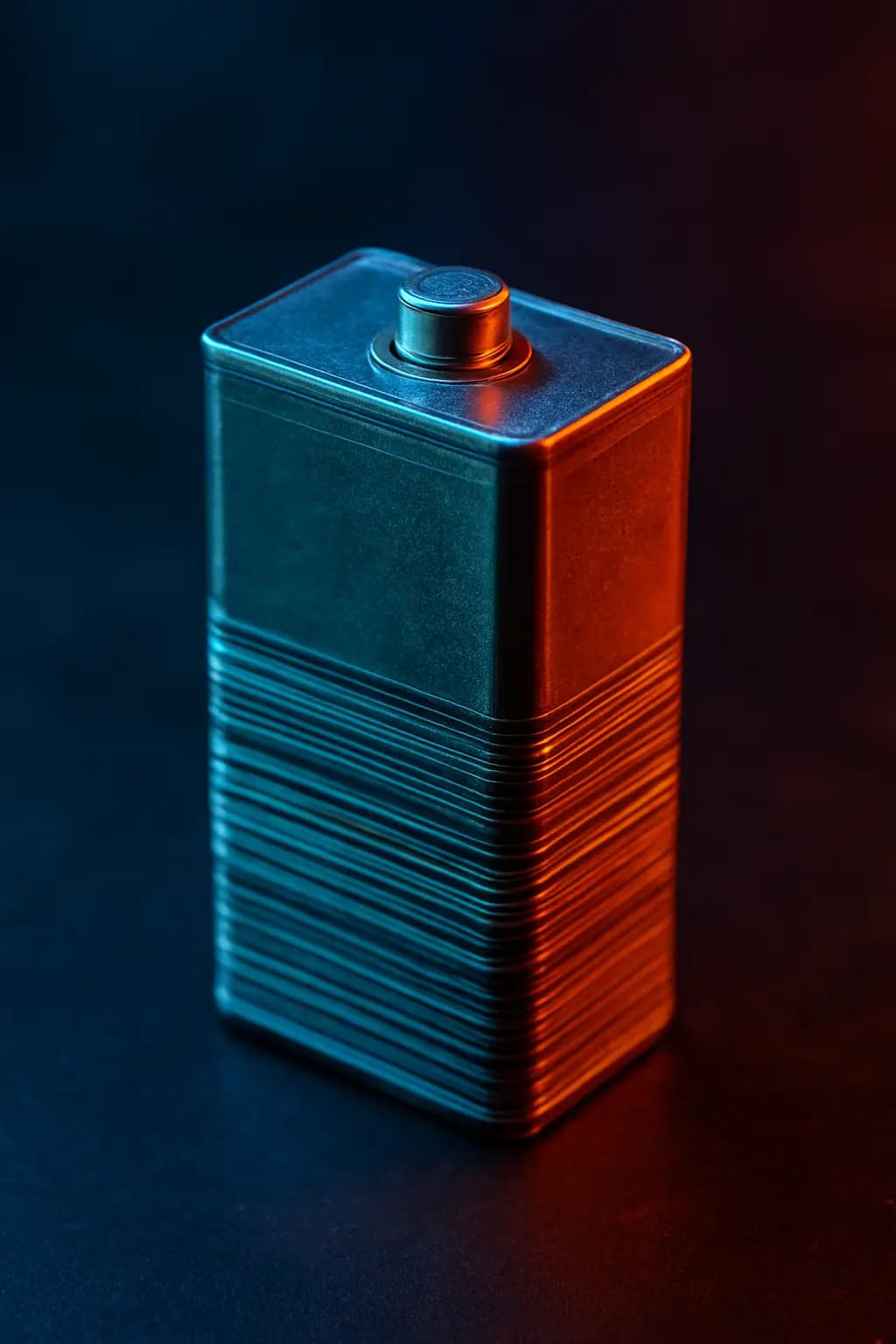
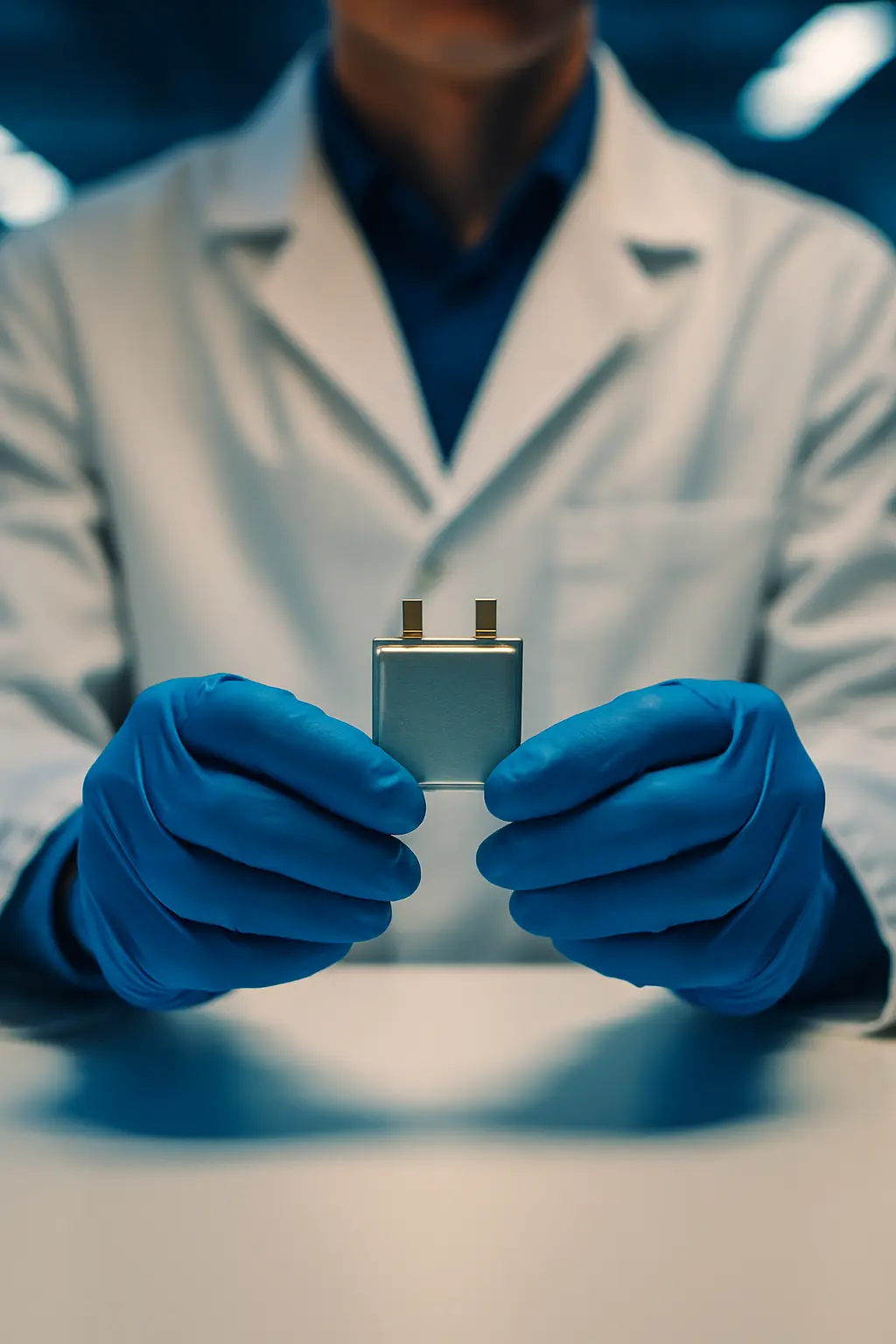
Several alternative technologies have attracted considerable excitement in recent years. Solid-state batteries replace the liquid electrolyte found in conventional cells with a solid material, promising greater energy density, faster charging, and improved safety. Some manufacturers have announced tentative timelines for bringing solid-state technology to consumer products, though sceptics warn that scaling up production reliably and affordably remains a formidable obstacle. Meanwhile, researchers are also investigating sodium-ion batteries as a cheaper and more abundant alternative, though these currently lag behind lithium-ion in terms of performance.