The Deep Freeze of Science: How Cryonics Challenges What We Know About Death
Death has traditionally been understood as a definitive, irreversible event — the point at which the biological machinery of life ceases to function. Yet a small but persistent community of scientists, philosophers, and enthusiasts argues that this assumption may be premature. Cryonics, the practice of preserving human bodies at extremely low temperatures immediately after legal death, rests on a striking hypothesis: that death, in many cases, is not yet truly final.
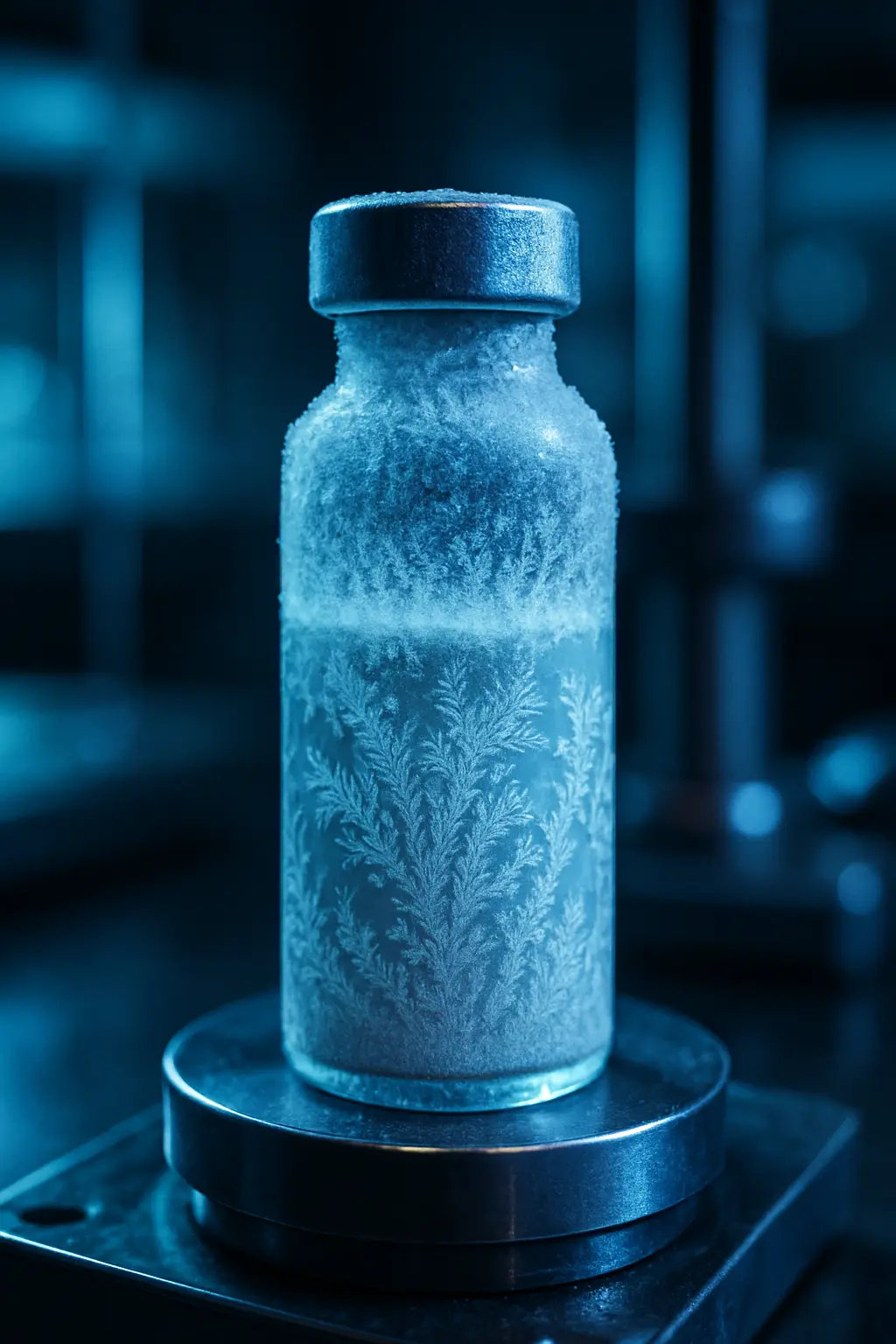
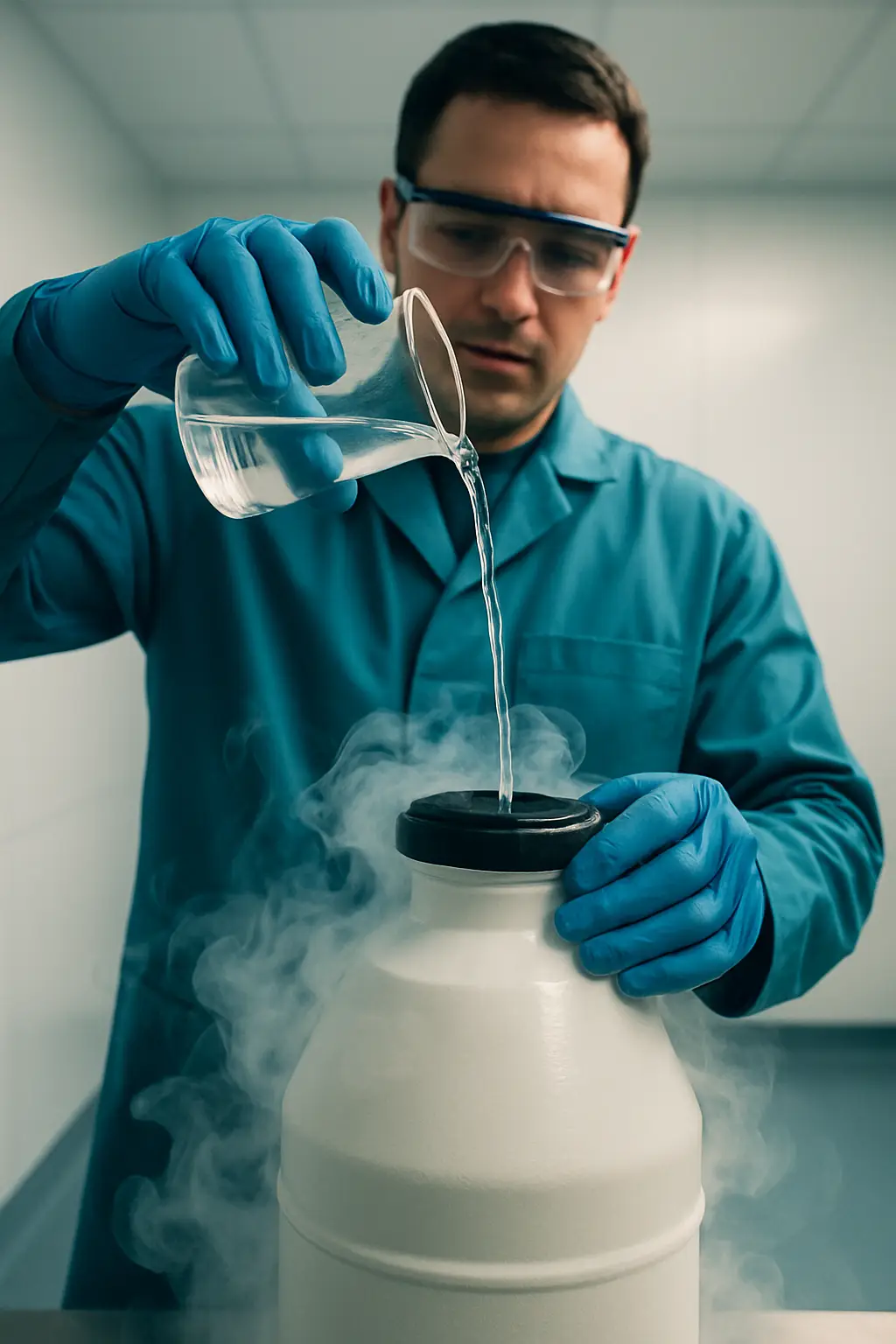
The science behind cryonics draws on a branch of biology called cryobiology, which examines how living tissue responds to extreme cold. When body temperature drops sufficiently, chemical reactions slow to a near-standstill, theoretically halting the cellular damage that follows cardiac arrest. Proponents argue that if a person's brain — the seat of memory, personality, and identity — can be preserved in this frozen state before significant deterioration occurs, future medical technology might one day reverse the damage, repair the tissue, and restore the individual to consciousness. The procedure typically involves replacing blood with a protective chemical solution that prevents ice crystals from forming and tearing cells apart, a process known as vitrification.
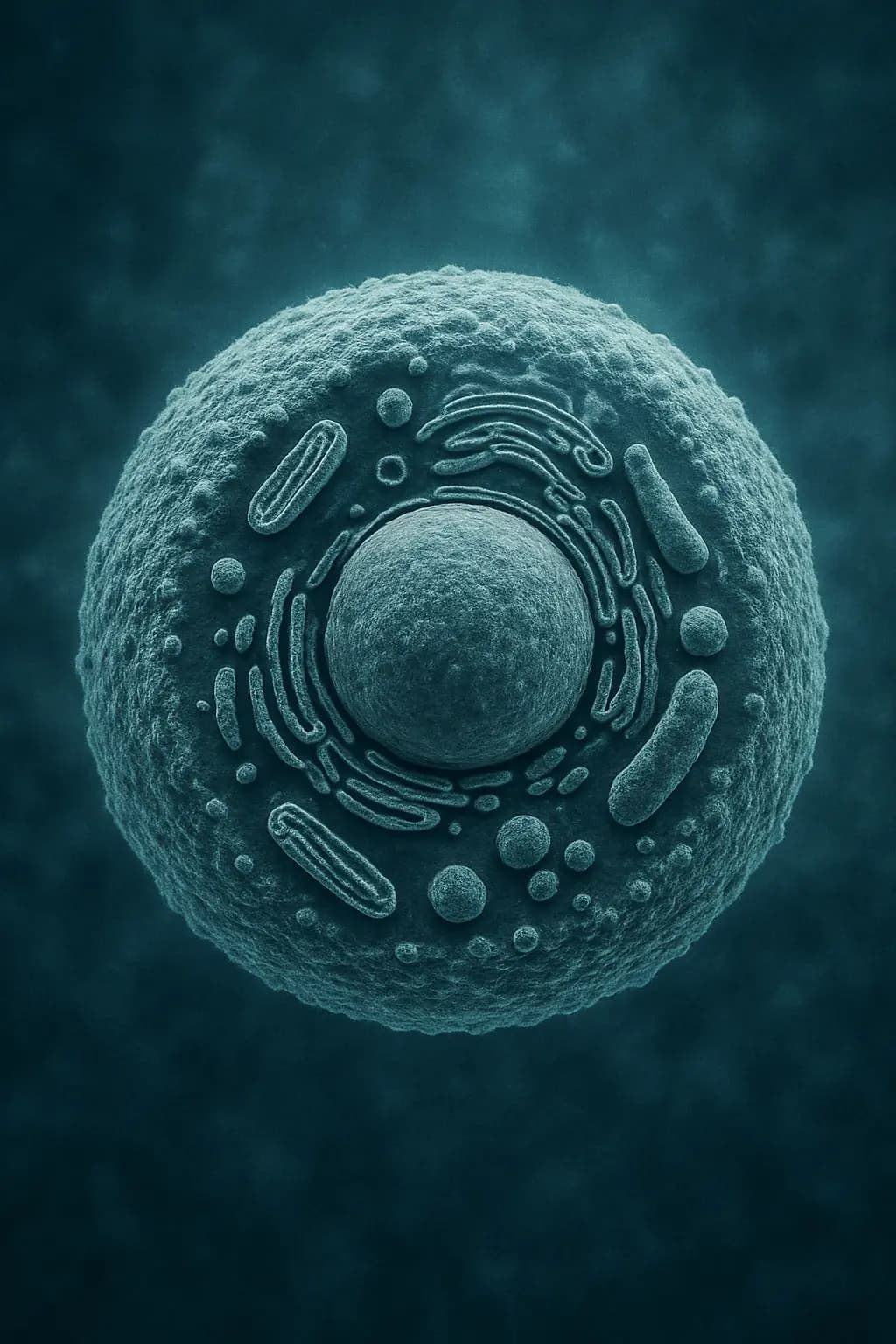
Critics, however, are sceptical on multiple fronts. Many mainstream biologists contend that the damage caused even by the best vitrification techniques remains extensive and poorly understood. There is, as yet, no evidence that a mammal — let alone a human — has ever been successfully revived from cryonic suspension. Furthermore, some philosophers raise a deeper objection: even if a future civilisation could reconstruct a brain from its preserved state, would the resulting person genuinely be the same individual, or merely a sophisticated copy? The question touches on some of the oldest puzzles in philosophy of mind — the nature of personal identity and what makes consciousness continuous over time.