
The Fermentation Revival: Why Ancient Preservation is Having a Modern Moment
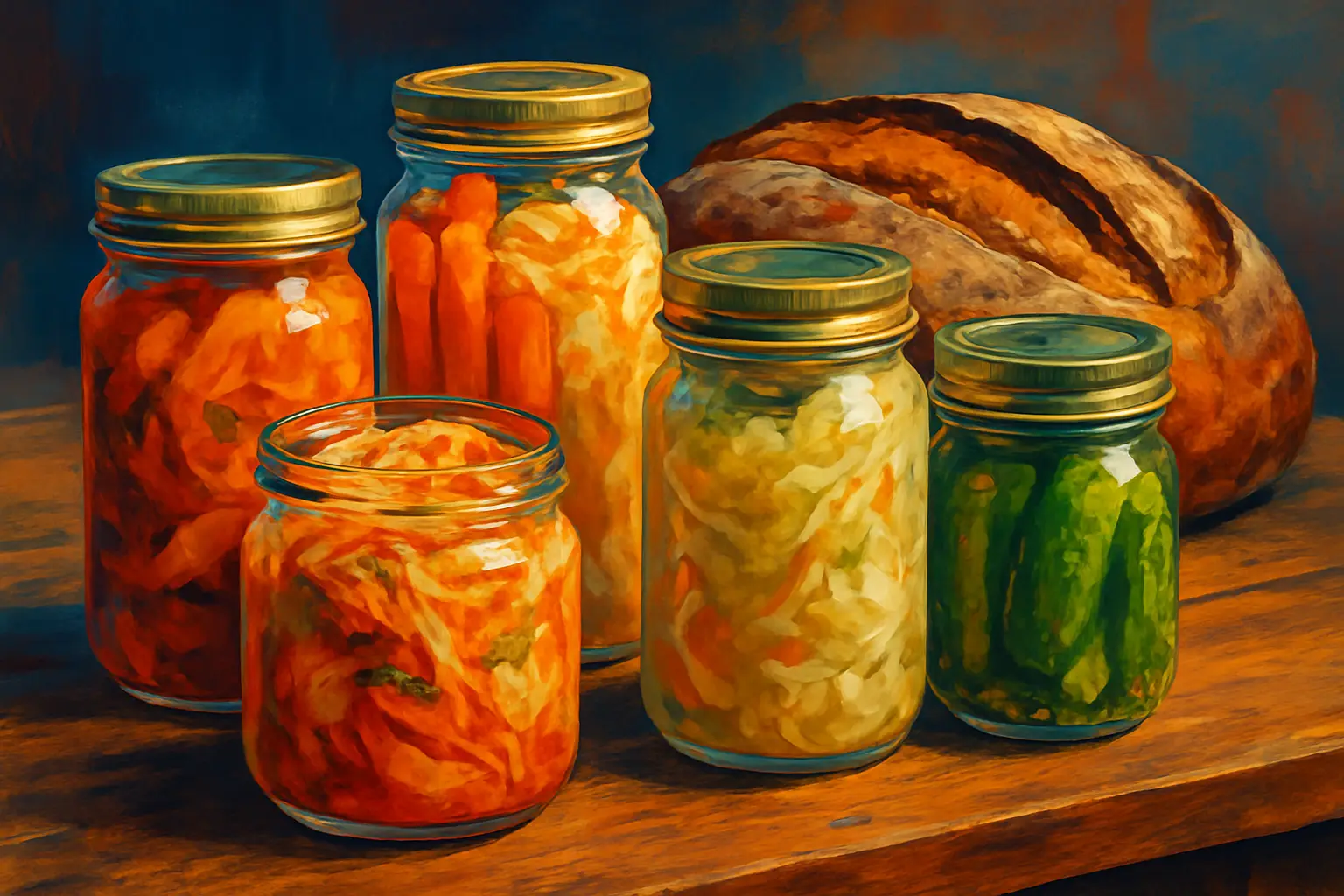
Walk into almost any artisan food shop today and you will find shelves lined with kimchi, kombucha, kefir, and sourdough bread. These products share a common thread: they are all the result of fermentation, a process that humanity has relied upon for thousands of years, yet one that is only now receiving the widespread appreciation it arguably deserves.
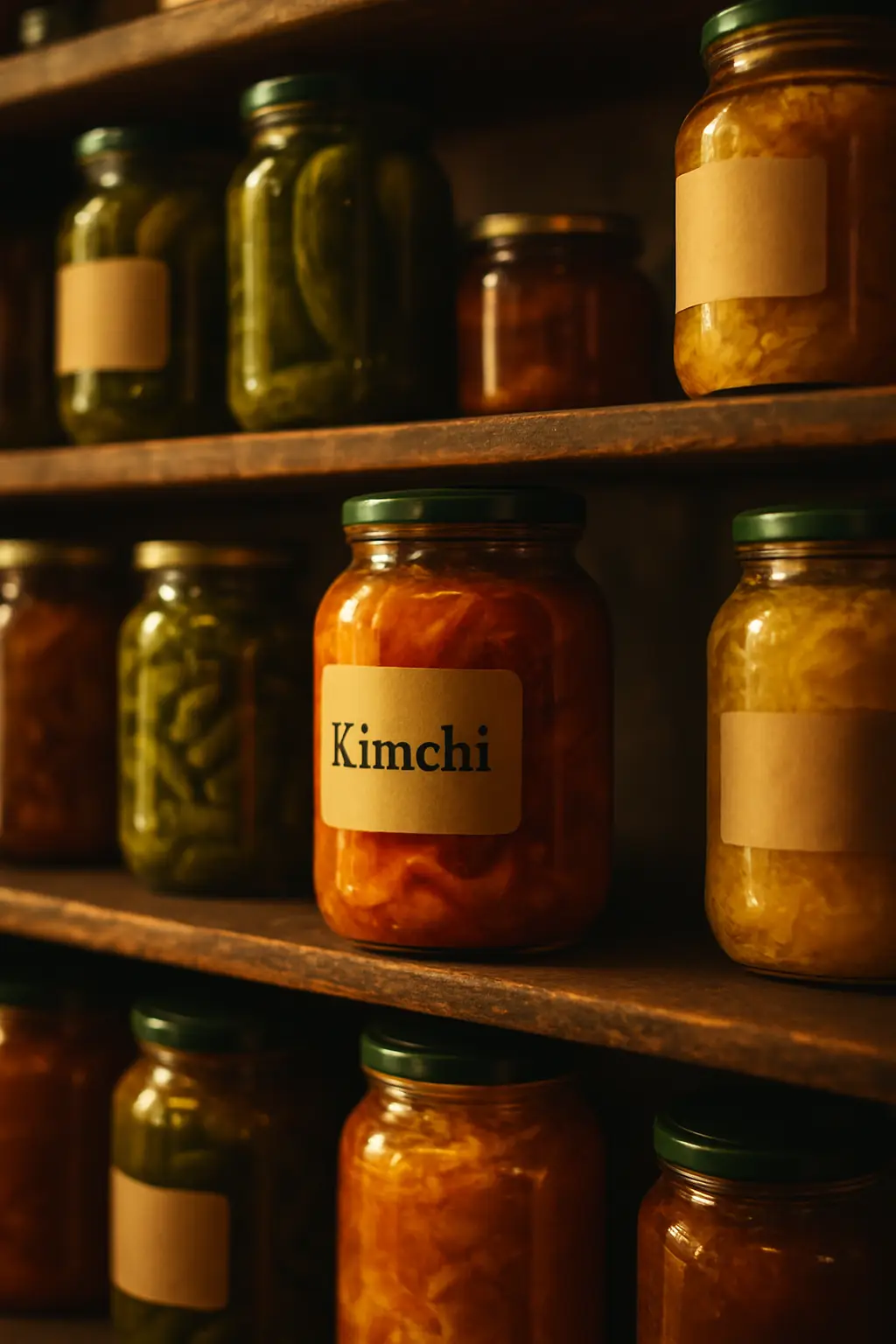
Fermentation is, at its core, a transformation. Microorganisms — bacteria, yeasts, and moulds — consume sugars and starches, breaking them down into acids, alcohols, and gases. The result is not merely preserved food but something with an entirely different flavour profile, texture, and nutritional character. Korean kimchi, for instance, begins as ordinary cabbage and ends as a complex, tangy, fiery condiment teeming with beneficial bacteria. German sauerkraut follows a remarkably similar logic, yet tastes nothing like its East Asian counterpart. The same process, applied in different cultural contexts, yields strikingly varied outcomes.
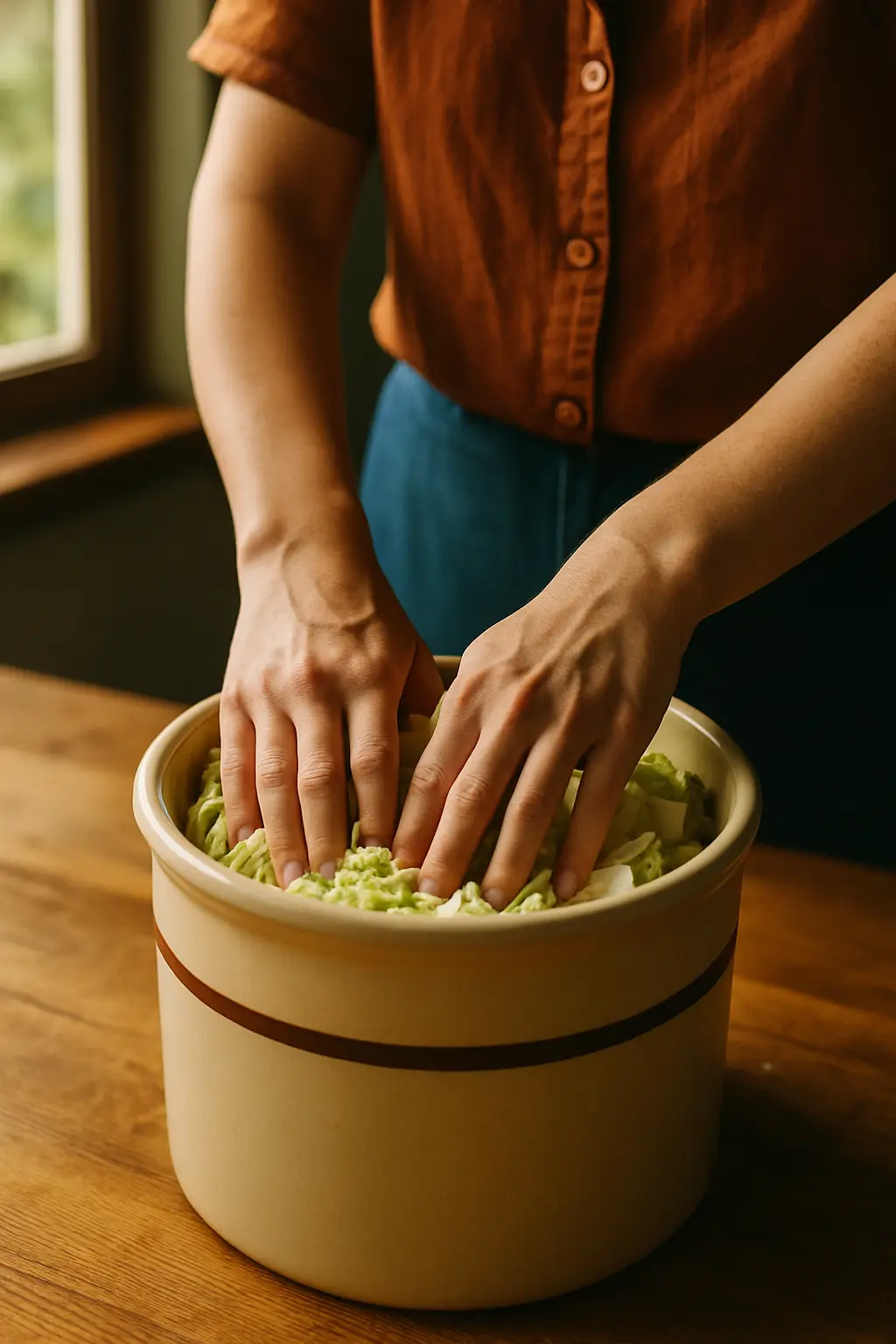
What is driving the current revival? Several forces seem to be converging. A growing body of research into the gut microbiome has lent scientific credibility to what traditional food cultures have long understood intuitively: that fermented foods may support digestive health and immune function. Simultaneously, a backlash against heavily processed food has prompted many consumers to seek out products with minimal, recognisable ingredients. There is also something profoundly satisfying about the craft itself. Unlike most modern cooking, fermentation cannot be hurried; a good sourdough starter requires days of patient tending, and a crock of fermented vegetables might take weeks to reach its peak. In a culture defined by speed and instant gratification, this enforced slowness feels almost countercultural.

Fermentation also raises thought-provoking questions about ownership and knowledge. Many of its most celebrated techniques — miso, tempeh, injera — originated in communities that rarely receive commercial credit for them. As these foods become global commodities, there is a reasonable argument for acknowledging their origins and the generations of cooks who refined them. Appreciating fermented food fully means appreciating the cultures from which it came.