
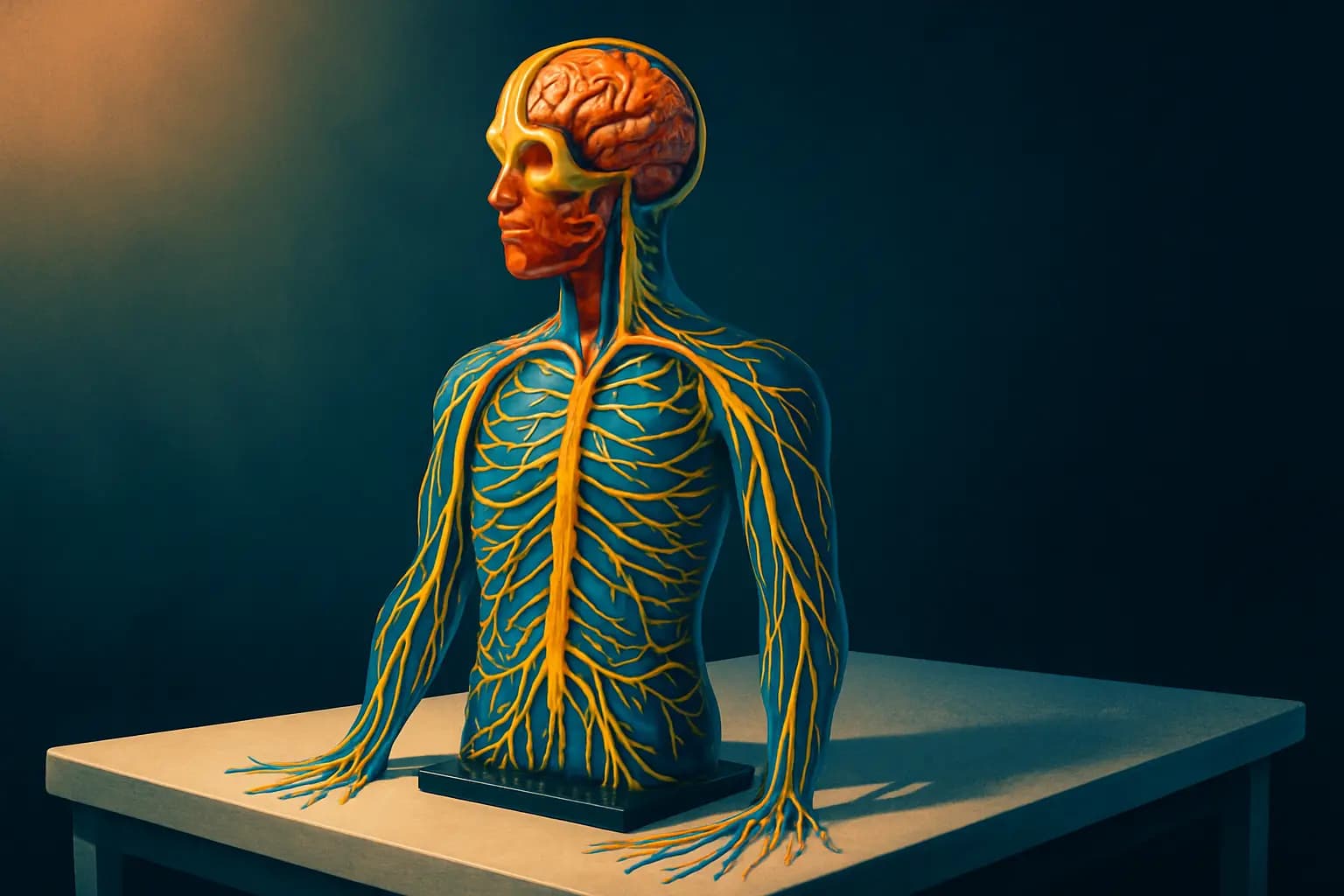
The Strange Intelligence of Pain
Pain is one of the most intimate experiences a human being can have, yet it remains, in many respects, profoundly misunderstood — even by those who study it for a living. We tend to speak of pain as though it were a straightforward signal, a biological alarm tripped when something goes wrong in the body. The reality is considerably more intricate, and appreciating that intricacy has quietly transformed the way clinicians think about suffering.
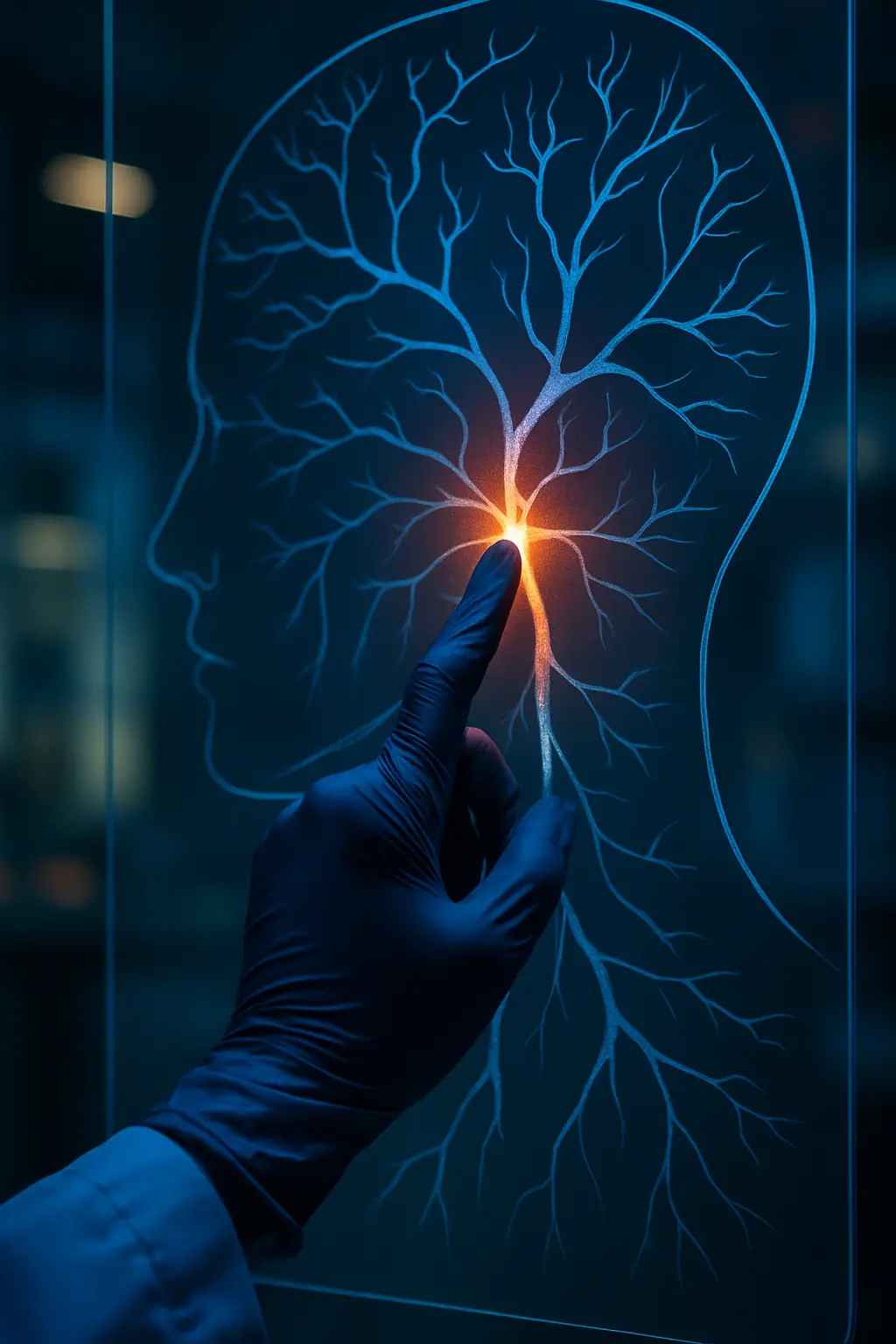
The gate control theory, proposed by Ronald Melzack and Patrick Wall in 1965, was among the first serious attempts to dislodge the naïve idea that pain is simply proportional to tissue damage. They demonstrated that the nervous system actively modulates incoming pain signals before they ever reach conscious awareness — that the spinal cord, in effect, acts as a gatekeeper, amplifying or suppressing signals depending on a raft of competing inputs. A soldier who carries on fighting despite a severe wound, or a child who stops crying the moment a parent picks them up, illustrates the principle with unsettling clarity.
Since then, neuroscience has pushed the picture considerably further. Pain, we now understand, is not a sensation in the conventional sense but an output — a conclusion generated by the brain after it has weighed evidence about threat. The brain draws on incoming nerve signals, certainly, but also on memory, expectation, emotional state, social context, and cultural conditioning. Chronic pain patients often have nervous systems that have become, in clinical parlance, sensitised: the gain has been turned up so high that stimuli which would register as innocuous to most people are interpreted as dangerous. The tissue itself may have healed long ago; the danger signal persists regardless.

This reconceptualisation carries profound clinical implications. Purely biomechanical approaches to chronic pain — treating the spine as though it were a faulty piece of engineering — have a poor track record precisely because they address only one thread of a much denser weave. Multidisciplinary pain programmes that incorporate cognitive behavioural therapy, graded exposure to feared movements, and careful attention to sleep and stress have shown considerably more promise. The goal is not merely symptom suppression but recalibrating a nervous system that has learned, understandably but erroneously, to treat the body as a perpetual source of danger.
Perhaps the most counterintuitive finding to emerge from modern pain science is that understanding the biology of pain can itself be therapeutic. Research by Lorimer Moseley and colleagues in Australia has shown that patients who receive clear, accessible explanations of why pain does not equal damage — that it is a protective mechanism rather than a reliable injury report — subsequently move more freely, fear less, and in many cases report significant reductions in pain intensity. Giving people a coherent conceptual framework appears to do some of the work that analgesics once monopolised.
None of this is to say that pain is imaginary or that suffering should be minimised. Acute pain remains an indispensable guardian: it compels us to withdraw from flame, rest a fractured limb, seek help. The point, rather, is that the brain's modelling of threat is fallible, and that chronic pain frequently represents a system stuck in a protective posture long after the original threat has passed. Treating it effectively means engaging with that system on its own terms — with intelligence meeting intelligence, as it were. The body is not a machine with a faulty warning light. It is an organism running an enormously sophisticated, and occasionally overzealous, survival programme.