
The Quiet Revolution of Dark Sky Parks
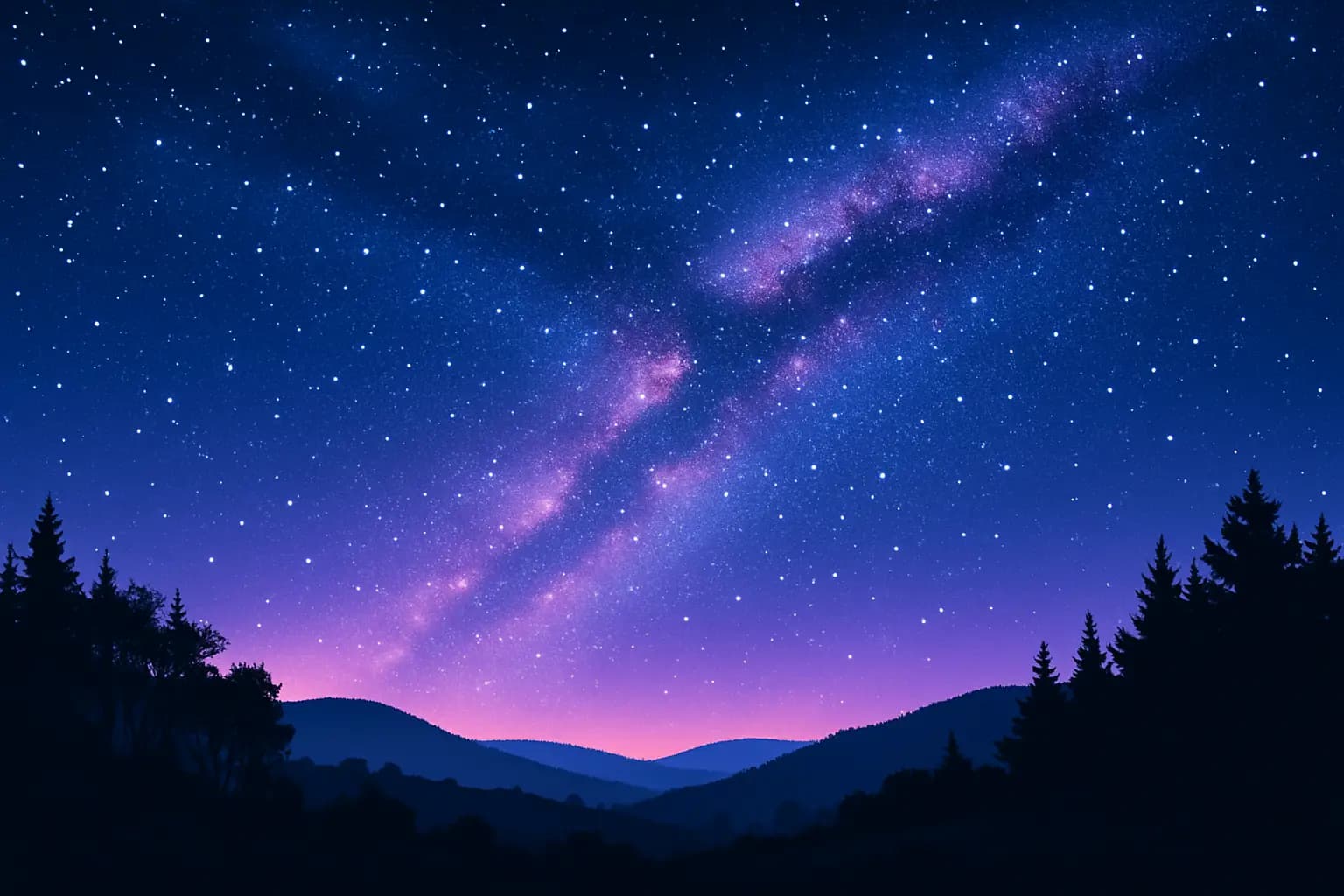
On a clear night far from any city, the Milky Way stretches across the sky like a river of cold fire — a sight that most urban dwellers have never witnessed. Light pollution, the excessive artificial illumination that washes out the night sky, has become so pervasive that roughly one-third of humanity can no longer see the galaxy from where they live. Yet a growing international movement is pushing back, designating protected areas known as Dark Sky Parks where natural darkness is actively preserved.
The International Dark-Sky Association, founded in the early 1990s, certifies locations that meet strict criteria for minimal artificial light. These sites range from remote desert plateaus to forested highland reserves, and their numbers have grown steadily across Europe, North America, and beyond. Gaining certification is not simply a matter of switching off a few streetlights; communities must audit their existing lighting infrastructure, replace conventional bulbs with shielded, low-emission alternatives, and persuade local businesses to reduce signage brightness after dark. The process demands genuine coordination between local authorities, residents, and environmental advocates.
The benefits, however, extend well beyond stargazing tourism. Ecologists have long documented the damaging effects of artificial light on nocturnal wildlife. Migratory birds become disoriented by illuminated cityscapes, insects are drawn fatally toward light sources, and sea turtle hatchlings have been observed crawling toward beachfront hotels rather than the moonlit ocean. Restoring genuine darkness to even a modest patch of landscape can produce measurable improvements in local biodiversity within a few years.
There is also a philosophical dimension worth considering. Access to a truly dark sky was once a universal human experience, shaping mythology, navigation, and our collective sense of place within the cosmos. As Dark Sky Parks multiply, they offer not merely a recreational amenity but a rare opportunity to reconnect with something ancient and humbling — a reminder that our planet sits within an incomprehensibly vast universe, most of which remains beautifully, quietly invisible to those who live beneath a permanent orange glow.